Clinical Focus ›› 2026, Vol. 41 ›› Issue (5): 447-451.doi: 10.3969/j.issn.1004-583X.2026.05.009

Previous Articles     Next Articles

Systemic lupus erythematosus complicated by acute liver failure: A case report

Lyu Peizhen1,2, Cui Chengjie1,2, Fu Na1,2, Nan Yuemin1,2()   

  1. 1 Department of Traditional and Western Medical Hepatology & Department of Gastroenterology, Hebei Medical University Third Hospital, Shijiazhuang 050051, China
    2 Hebei Provincial Key Laboratory of Liver Fibrosis Mechanism Study in Chronic Liver Diseases, Hebei Provincial International Science and Technology Cooperation Base-International Joint Research Center for Molecular Diagnosis of Liver Cancer, Shijiazhuang 050051, China
  • Received:2026-04-03 Online:2026-05-20 Published:2026-05-26
  • Contact: Nan Yuemin,Email:

Abstract:

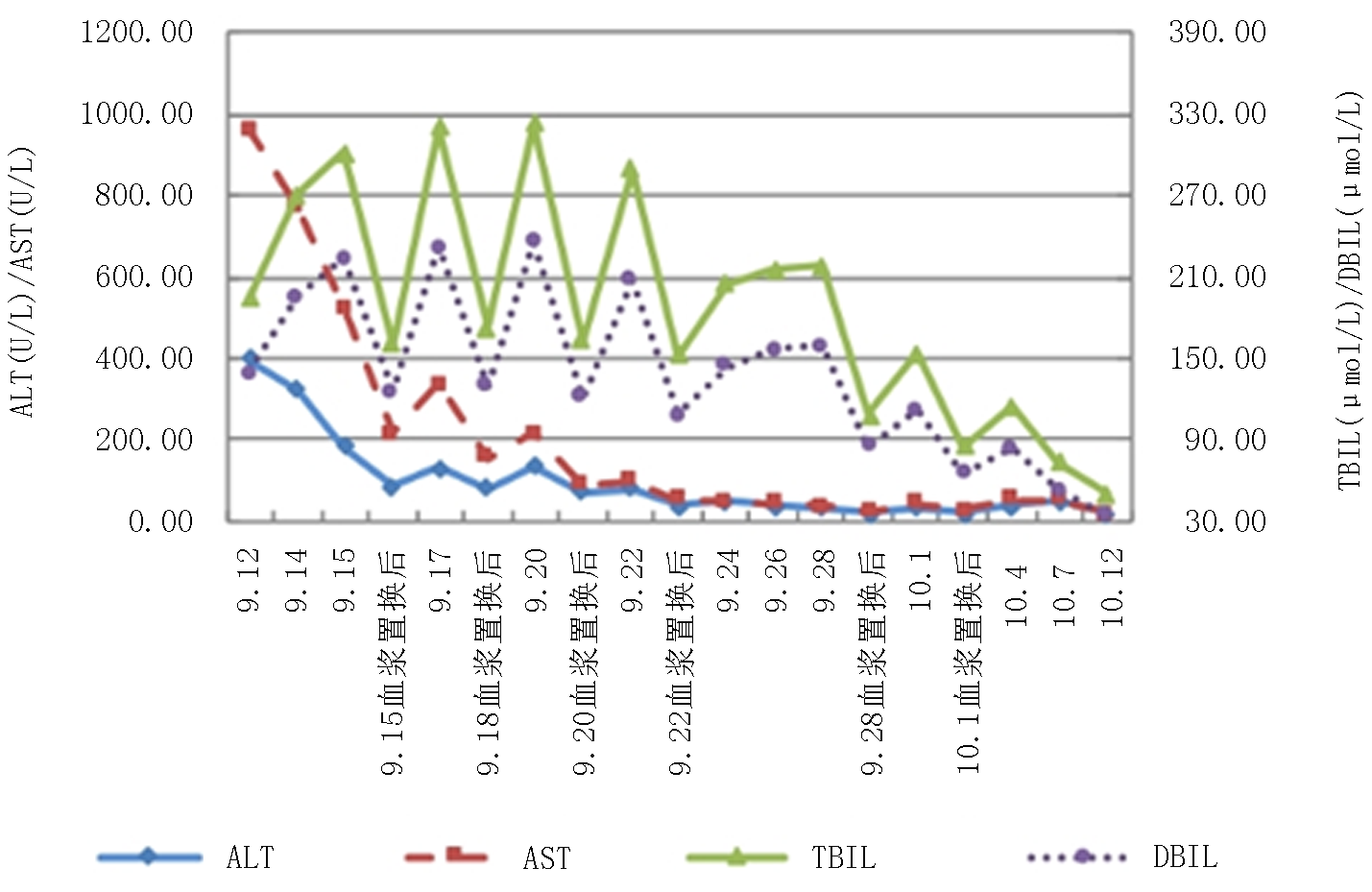
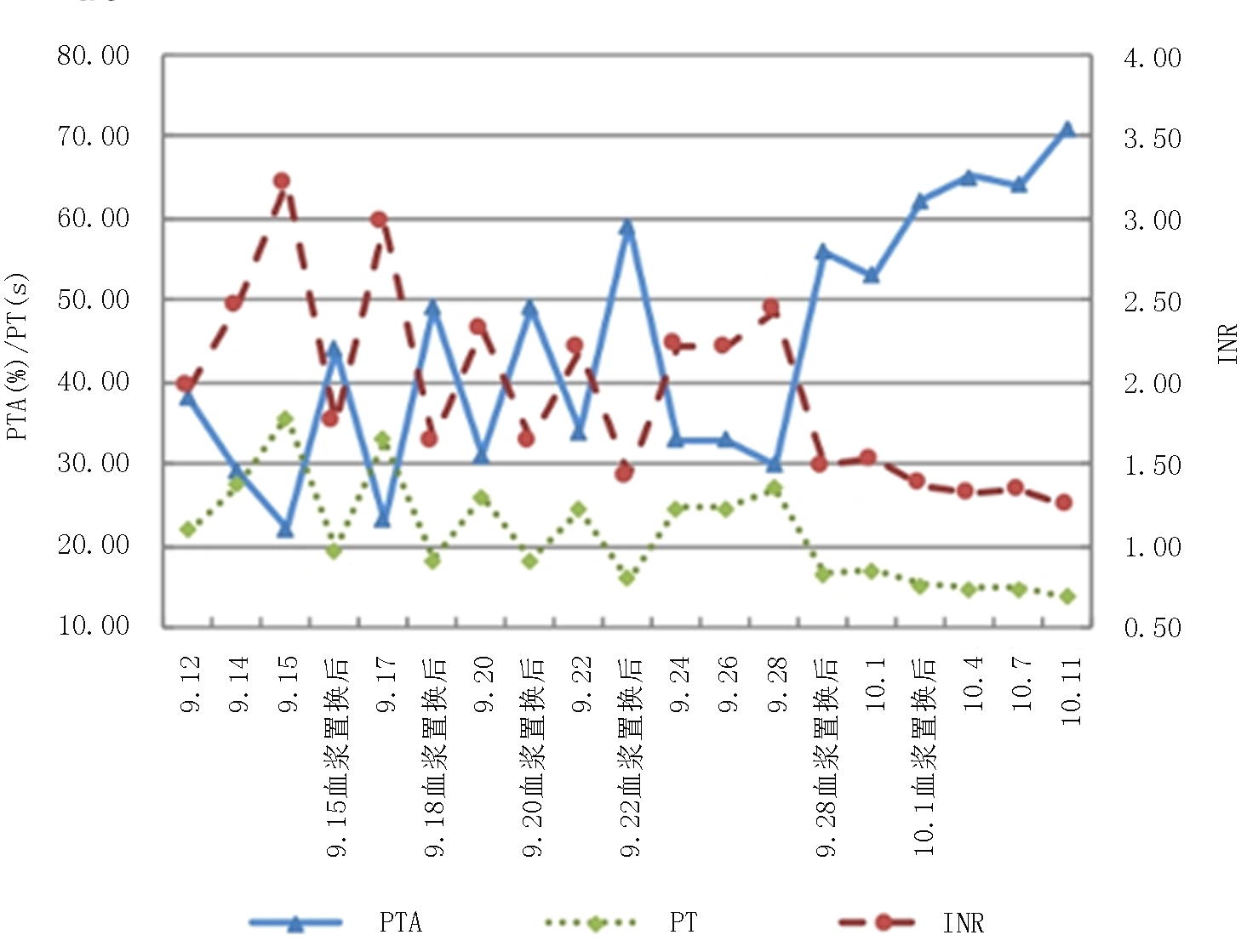
Objective To analyze a case of systemic lupus erythematosus (SLE) presenting initially as acute liver failure (ALF), and to explore its clinical features, diagnostic and therapeutic approach, and key points for differential diagnosis. Methods The clinical data of a patient with SLE complicated by ALF were retrospectively reviewed, and relevant literature was also summarized. Results The patient was a 17-year-old woman admitted with a 1-week history of nausea, fatigue, poor appetite, jaundice, and dark urine. Coagulation testing showed a prothrombin time activity (PTA) of 38% and an international normalized ratio (INR) of 1.96, accompanied by grade II hepatic encephalopathy, meeting the diagnostic criteria for ALF. Immunological tests revealed antinuclear antibody (ANA) 1:3 200, positive anti-dsDNA, decreased complement C3 and C4, positive anticardiolipin antibody, and elevated 24-h urine protein. After plasma exchange combined with methylprednisolone pulse therapy, human immunoglobulin, hydroxychloroquine, and tacrolimus treatment, the patient’s liver function and coagulation function improved significantly, and her condition became stable. Conclusion In young women with unexplained ALF, SLE-related autoantibodies should be screened as early as possible to clarify the etiology, avoid misdiagnosis or missed diagnosis, and improve prognosis.

Key words: lupus erythematosus, systemic, acute liver failure, autoimmune hepatitis

CLC Number: