Clinical Focus ›› 2026, Vol. 41 ›› Issue (7): 608-613.doi: 10.3969/j.issn.1004-583X.2026.07.005

Previous Articles     Next Articles

Epidemiological characteristics of respiratory pathogens under sentinel surveillance in China, 2024-2026

Han Yan()   

  1. School of Medical Technology, Henan Medical University, Xinxiang 453003, China
  • Received:2026-06-03 Online:2026-07-20 Published:2026-07-17
  • Contact: Han Yan,Email:15222981221@163.com

Abstract:

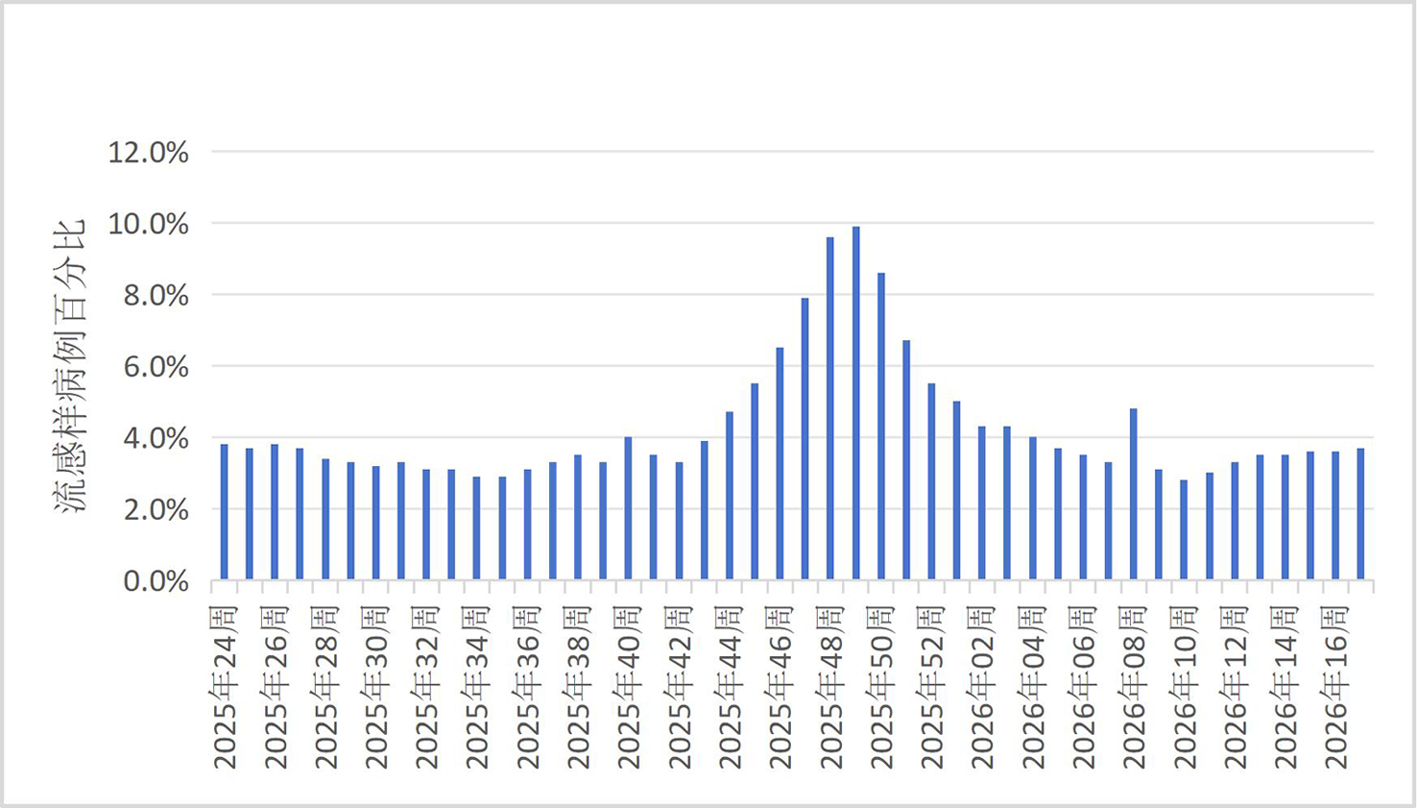
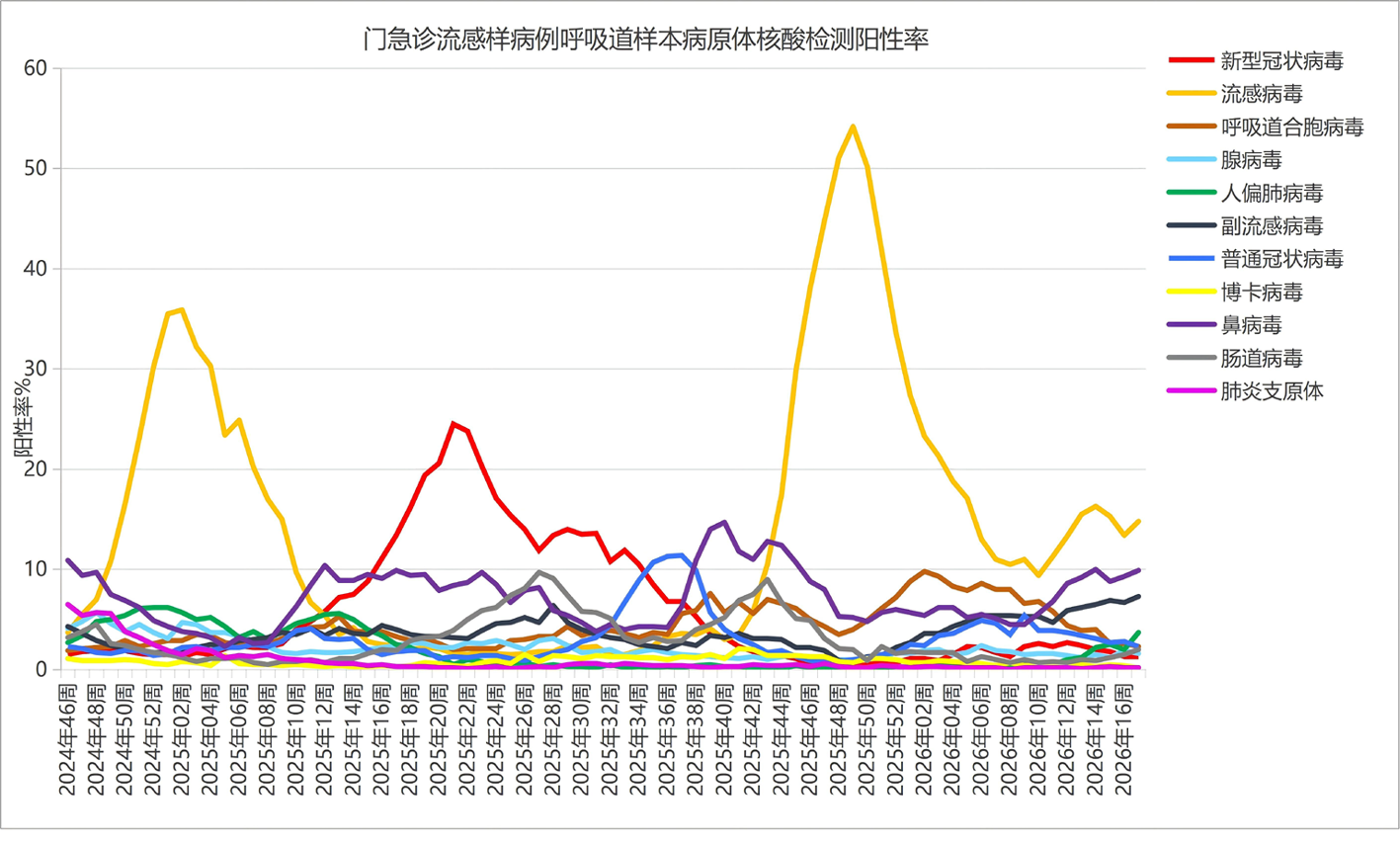
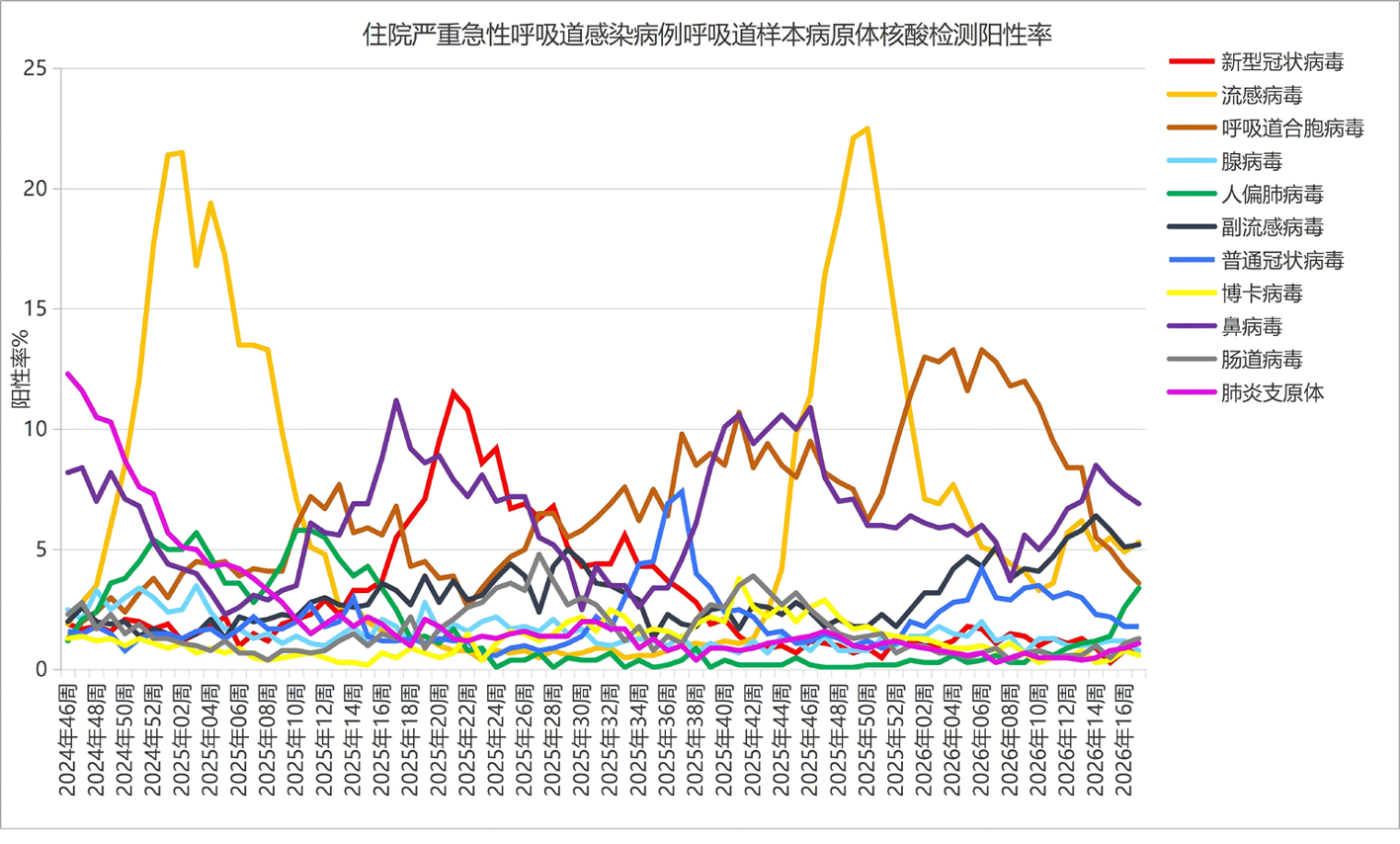
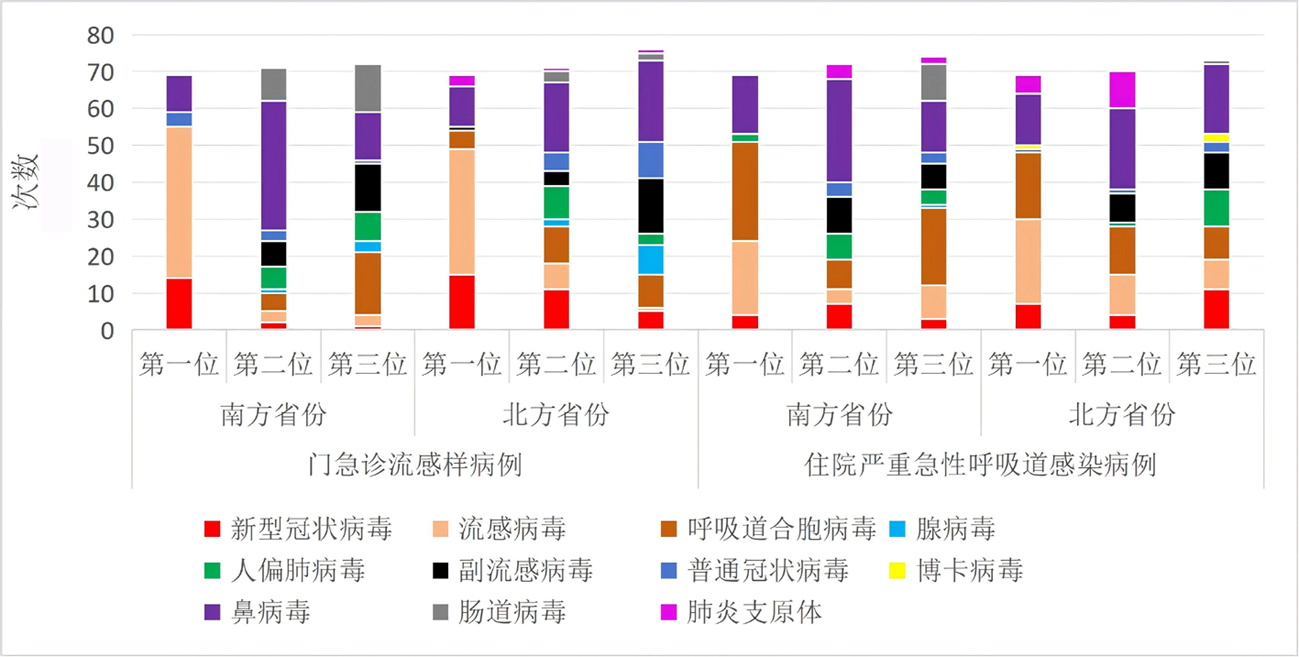
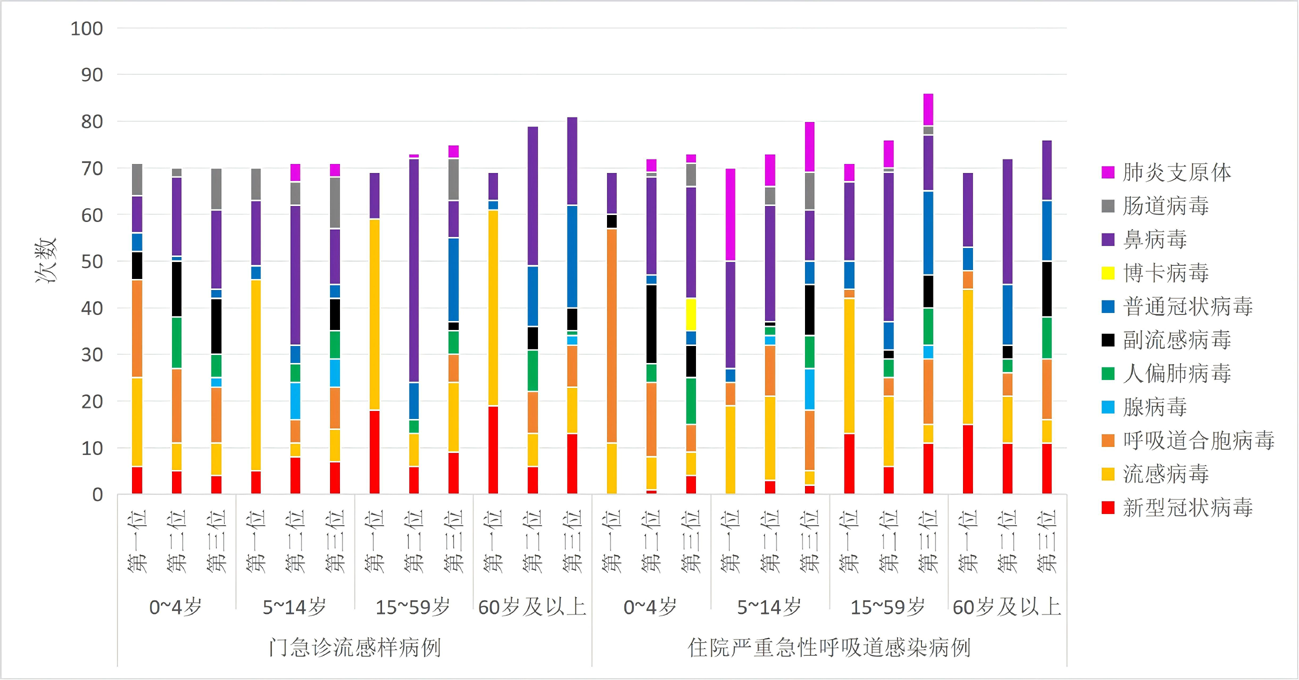
Objective To analyze the epidemiological characteristics of multiple pathogens causing acute respiratory infections under sentinel surveillance in China from 2024 to 2026, and to provide evidence for clinical diagnosis, treatment, and scientific prevention and control of respiratory infections. Methods Epidemiological data on pathogens from national sentinel surveillance of acute respiratory infections, as released by the Chinese Center for Disease Control and Prevention, were collected from week 46 of 2024 to week 17 of 2026. Data on multiple respiratory pathogens, including 10 viruses-severe acute respiratory syndrome coronavirus 2, influenza virus, respiratory syncytial virus, adenovirus, human metapneumovirus, parainfluenza virus, common coronavirus, bocavirus, rhinovirus, and enterovirus-as well as Mycoplasma pneumoniae, were statistically analyzed according to weekly positivity rates, geographic region, and age. Results Among outpatient and emergency department patients with influenza-like illness, influenza virus had the highest nucleic acid positivity rate among respiratory pathogens, with a winter-spring predominance and a maximum detection rate of 54.2%. This was followed by severe acute respiratory syndrome coronavirus 2 and rhinovirus. Among hospitalized patients with severe acute respiratory infection, respiratory syncytial virus showed the highest nucleic acid positivity rate, followed by influenza virus and rhinovirus. The epidemiological characteristics of pathogens varied across regions and age groups, and co-circulation of multiple pathogens was observed. Conclusion The epidemiological characteristics of different respiratory pathogens show marked seasonal, geographic, and age-related differences. Differential clinical diagnosis, treatment, and prevention and control strategies should be developed according to regional, age-specific, and seasonal variations.

Key words: acute respiratory infectious diseases, respiratory pathogens, epidemiological characteristics

CLC Number: