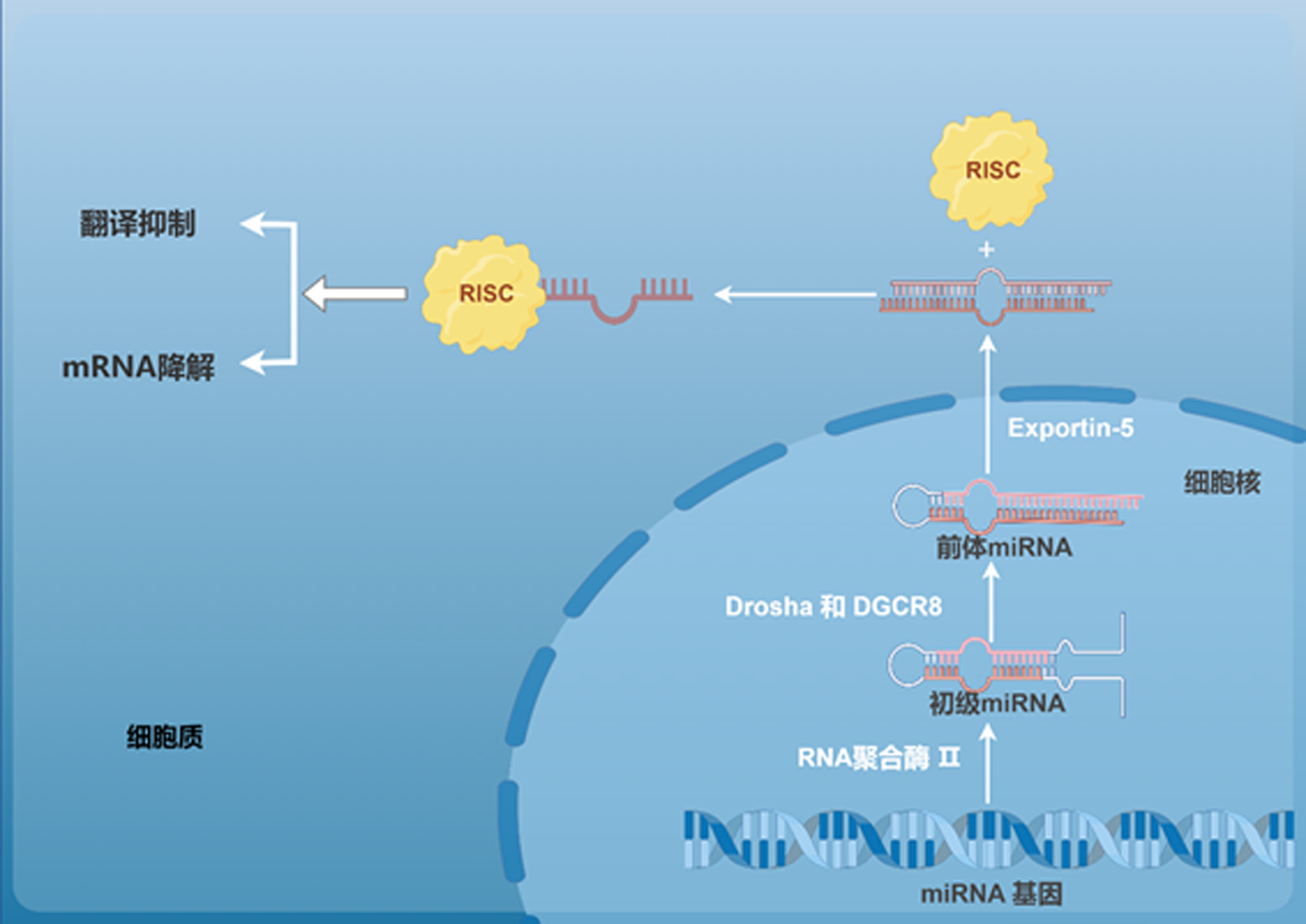
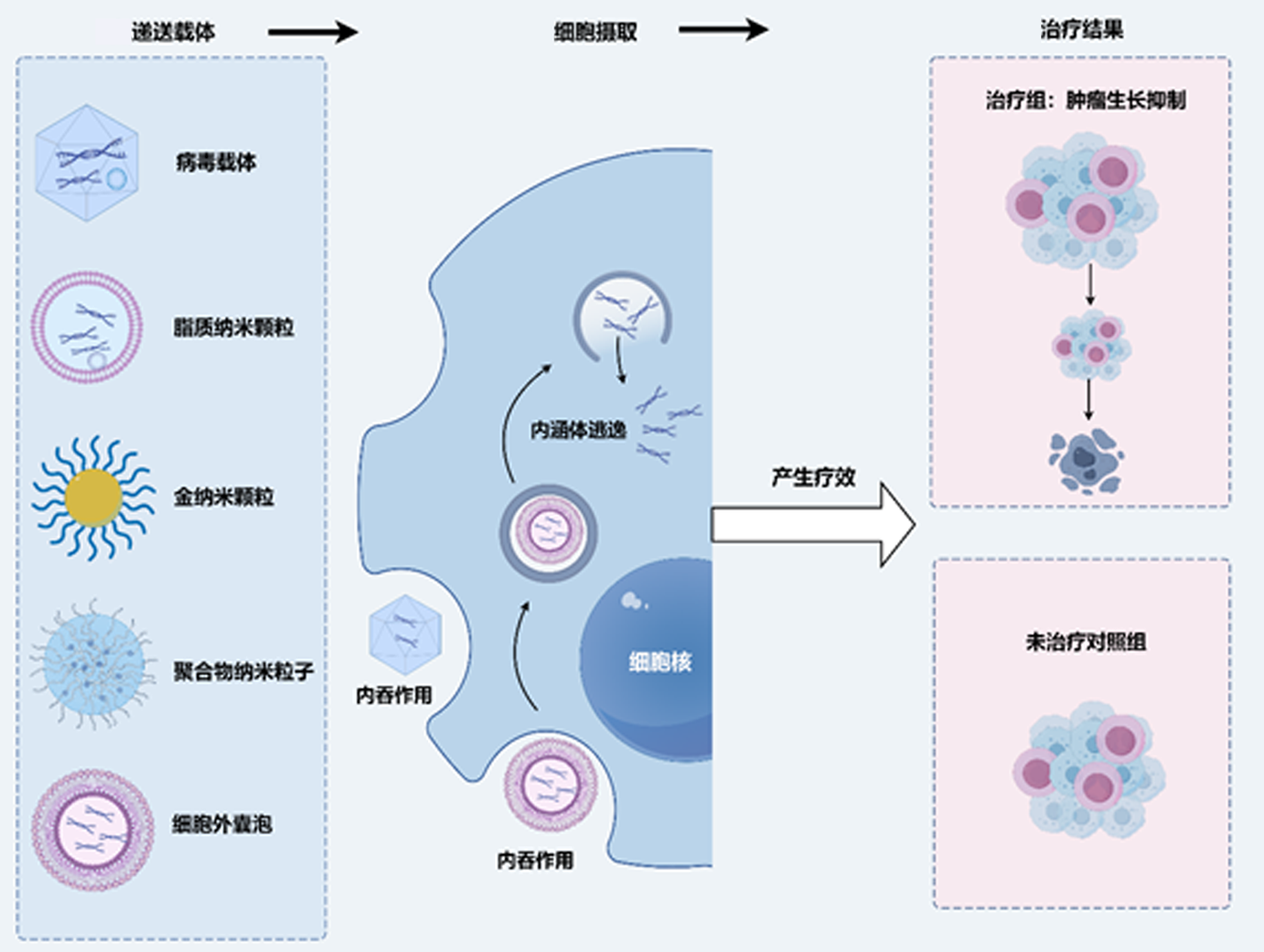
| [1] |
Sung H, Ferlay J, Siegel RL, et al. Global cancer statistics 2020: Globocan estimates of incidence and mortality worldwide for 36 cancers in 185 countries[J]. CA Cancer J Clin, 2021, 71( 3) : 209-249. doi: 10.3322/caac.21660.
|
| [2] |
pmid: 29414248
|
| [3] |
Lee RC, Feinbaum RL, Ambros V. The C. elegans heterochronic gene lin-4 encodes small RNAs with antisense complementarity to lin-14[J]. Cell, 1993, 75(5):843-854.doi: 10.1016/0092-8674(93)90529-y.
pmid: 8252621
|
| [4] |
Peng Y, Croce CM. The role of microRNAs in human cancer[J]. Signal Transduct Target Ther, 2016, 1:15004.doi: 10.1038/sigtrans.2015.4.
|
| [5] |
Tian T, Wang M, Zhu W, et al. MiR-146a and miR-196a-2 polymorphisms are associated with hepatitis virus-related hepatocellular cancer risk: A meta-analysis[J]. Aging (Albany NY), 2017, 9(2):381-392. doi: 10.18632/aging.101160.
|
| [6] |
Szabo G, Bala S. MicroRNAs in liver disease[J]. Nat Rev Gastroenterol Hepatol, 2013, 10(9):542-552. doi: 10.1038/nrgastro.2013.87.
pmid: 23689081
|
| [7] |
Trelstad RL, Hay ED, Revel JD. Cell contact during early morphogenesis in the chick embryo[J]. Dev Biol, 1967, 16(1):78-106. doi: 10.1016/0012-1606(67)90018-8.
pmid: 6035571
|
| [8] |
Kalluri R, Weinberg RA. The basics of epithelial-mesenchymal transition[J]. J Clin Invest, 2009, 119(6):1420-1428. doi: 10.1172/JCI39104.
pmid: 19487818
|
| [9] |
Debnath P, Huirem RS, Dutta P, et al. Epithelial-mesenchymal transition and its transcription factors[J]. Biosci Rep, 2022, 42(1):BSR20211754. doi: 10.1042/BSR20211754.
|
| [10] |
Song G, Yu X, Shi H, et al. MiRNAs in HCC, pathogenesis, and targets[J]. Hepatology, 2024:10.1097/HEP.0000000000001177. doi: 10.1097/HEP.0000000000001177.
|
| [11] |
Gregory PA, Bracken CP, Bert AG, et al. MicroRNAs as regulators of epithelial-mesenchymal transition[J]. Cell Cycle, 2008, 7(20):3112-3118. doi: 10.4161/cc.7.20.6851.
pmid: 18927505
|
| [12] |
Cavallari I, Ciccarese F, Sharova E, et al. The miR-200 family of microRNAs: Fine tuners of epithelial-mesenchymal transition and circulating cancer biomarkers[J]. Cancers (Basel), 2021, 13(23):5874. doi: 10.3390/cancers13235874.
|
| [13] |
杨西胜. MiR-200a/ZEB2调控肝癌干性样细胞恶性表型转化的机制研究[D]. 西安: 第四军医大学临床医学外科学, 2015.
|
| [14] |
Chen S, Zhang J, Chen Q, et al. MicroRNA-200a and microRNA-141 have a synergetic effect on the suppression of epithelial-mesenchymal transition in liver cancer by targeting STAT4[J]. Oncol Lett, 2021, 21(2):137. doi: 10.3892/ol.2020.12398.
pmid: 33552256
|
| [15] |
Hung CS, Liu HH, Liu JJ, et al. MicroRNA-200a and -200b mediated hepatocellular carcinoma cell migration through the epithelial to mesenchymal transition markers[J]. Ann Surg Oncol, 2013, 20 Suppl 3:S360-S368. doi: 10.1245/s10434-012-2482-4.
|
| [16] |
|
| [17] |
Wang Z, Wang W, Zhou L, et al. MiR-34a targets SNAI1 and is essential for 5-hydroxytryptamine induced epithelial mesenchymal transition in liver cancer[J]. Minerva Gastroenterol (Torino), 2022, 68(3):363-365. doi: 10.23736/S2724-5985.21.03041-2.
|
| [18] |
Li DP, Fan J, Wu YJ, et al. MiR-155 up-regulated by TGF-βpromotes epithelial-mesenchymal transition, invasion and metastasis of human hepatocellular carcinoma cells in vitro[J]. Am J Transl Res, 2017, 9(6):2956-2965.
|
| [19] |
Kong X, Liu F, Gao J. MiR-155 promotes epithelial-mesenchymal transition in hepatocellular carcinoma cells through the activation of PI3K/SGK3/β-catenin signaling pathways[J]. Oncotarget, 2016, 7(40):66051-66060. doi: 10.18632/oncotarget.11800.
pmid: 27602769
|
| [20] |
Bao L, Yan Y, Xu C, et al. MicroRNA-21 suppresses PTEN and hSulf-1 expression and promotes hepatocellular carcinoma progression through AKT/ERK pathways[J]. Cancer Lett, 2013, 337(2):226-236.doi: 10.1016/j.canlet.2013.05.007.
pmid: 23684551
|
| [21] |
|
| [22] |
Wang LJ, He CC, Sui X, et al. MiR-21 promotes intrahepatic cholangiocarcinoma proliferation and growth in vitro and in vivo by targeting PTPN14 and PTEN[J]. Oncotarget, 2015, 6(8): 5932-5946. doi: 10.18632/oncotarget.3465.
|
| [23] |
|
| [24] |
|
| [25] |
Zhu Y, Liu Y, Xiao B, et al. The circular RNA PVT1/miR-203/HOXD3 pathway promotes the progression of human hepatocellular carcinoma[J]. Biol Open, 2019, 8(9):bio043687. doi: 10.1242/bio.043687.
|
| [26] |
|
| [27] |
Zhao N, Sun H, Sun B, et al. miR-27a-3p suppresses tumor metastasis and VM by down- regulating VE-cadherin expression and inhibiting EMT: An essential role for twist-1 in HCC[J]. Sci Rep, 2016, 6:23091. doi: 10.1038/srep23091.
pmid: 26980408
|
| [28] |
|
| [29] |
Wang X, Liu S, Cao L, et al. miR-29a-3p suppresses cell proliferation and migration by downregulating IGF1R in hepatocellular carcinoma[J]. Oncotarget, 2017, 8:86592-86603. doi: 10.18632/oncotarget.21246.
pmid: 29156819
|
| [30] |
|
| [31] |
Winkle M, El-Daly SM, Fabbri M, et al. Noncoding RNA therapeutics - challenges and potential solutions[J]. Nat Rev Drug Discov, 2021, 20(8):629-651. doi: 10.1038/s41573-021-00219-z.
pmid: 34145432
|
| [32] |
Rupaimoole R, Slack FJ. MicroRNA therapeutics: Towards a new era for the management of cancer and other diseases[J]. Nat Rev Drug Discov, 2017, 16(3):203-222. doi: 10.1038/nrd.2016.246.
pmid: 28209991
|
| [33] |
Thomson DW, Dinger ME. Endogenous microRNA sponges: Evidence and controversy[J]. Nat Rev Genet, 2016, 17(5):272-283. doi: 10.1038/nrg.2016.20.
pmid: 27040487
|
| [34] |
Ma WK, Voss DM, Scharner J, et al. ASO-based PKM splice-switching therapy inhibits hepatocellular carcinoma growth[J]. Cancer Res, 2022, 82(5):900-915. doi: 10.1158/0008-5472.CAN-20-0948.
|
| [35] |
Li D, Zhang J, Li J. Role of miRNA sponges in hepatocellular carcinoma[J]. Clin Chim Acta, 2020, 500:10-19. doi: 10.1016/j.cca.2019.09.013.
pmid: 31604064
|
| [36] |
Wang P, Zhou Y, Richards AM. Effective tools for RNA-derived therapeutics: siRNA interference or miRNA mimicry[J]. Theranostics, 2021, 11(18):8771-8796. doi: 10.7150/thno.62642.
pmid: 34522211
|
| [37] |
Forterre A, Komuro H, Aminova S, et al. A comprehensive review of cancer microRNA therapeutic delivery strategies[J]. Cancers (Basel), 2020, 12(7):1852. doi: 10.3390/cancers12071852.
|
| [38] |
Seyhan AA. Trials and tribulations of microRNA therapeutics[J]. Int J Mol Sci, 2024, 25(3):1469. doi: 10.3390/ijms25031469.
|
| [39] |
Kumar MA, Baba SK, Sadida HQ, et al. Extracellular vesicles as tools and targets in therapy for diseases[J]. Signal Transduct Target Ther, 2024, 9(1):27. doi: 10.1038/s41392-024-01735-1.
|
| [40] |
Liang G, Kan S, Zhu Y, et al. Engineered exosome-mediated delivery of functionally active miR-26a and its enhanced suppression effect in HepG2 cells[J]. Int J Nanomedicine, 2018, 13:585-599. doi: 10.2147/IJN.S154458.
|
| [41] |
Kong M, Li W, Li H, et al. m6A methylation-mediated lncRNA RNF144A-AS1 promotes hepatocellular carcinoma progression through the miR-1301-3p/RNF38 pathway[J]. Biol Direct, 2025, 20(1):91. doi: 10.1186/s13062-025-00681-4.
|
| [42] |
Xu B, Li C, Yang B, et al. LncRNA SNHG20 silencing inhibits hepatocellular carcinoma progression by sponging miR-5095 from MBD1[J]. Am J Transl Res, 2023, 15(6):4314-4331.
pmid: 37434830
|
| [43] |
Liu P, Zhong Q, Song Y, et al. Long noncoding RNA linc01612 represses hepatocellular carcinoma progression by regulating miR-494/ATF3/p53 axis and promoting ubiquitination of YBX1[J]. Int J Biol Sci, 2022, 18(7):2932-2948. doi: 10.7150/ijbs.69514.
pmid: 35541917
|
| [44] |
Chen S, Cao X, Zhang J, et al. circVAMP3 drives CAPRIN1 phase separation and inhibits hepatocellular carcinoma by suppressing c-Myc translation[J]. Adv Sci (Weinh), 2022, 9(8):e2103817. doi: 10.1002/advs.202103817.
|
| [45] |
Liu L, Gu M, Ma J, et al. CircGPR137B/miR-4739/FTO feedback loop suppresses tumorigenesis and metastasis of hepatocellular carcinoma[J]. Mol Cancer, 2022, 21(1):149.doi: 10.1186/s12943-022-01619-4.
pmid: 35858900
|
| [46] |
Fei D, Wang F, Wang Y, et al. Circular RNA ACVR2A promotes the progression of hepatocellular carcinoma through mir-511-5p targeting PI3K-Akt signaling pathway[J]. Mol Cancer, 2024, 23(1):159. doi: 10.1186/s12943-024-02074-z.
pmid: 39107843
|
| [47] |
Olarewaju O, Hu Y, Tsay HC, et al. MicroRNA miR-20a-5p targets CYCS to inhibit apoptosis in hepatocellular carcinoma[J]. Cell Death Dis, 2024, 15(6):456. doi: 10.1038/s41419-024-06841-0.
pmid: 38937450
|
| [48] |
Bocchetti M, Cossu AM, Porru M, et al. MiR-423-5p is a metabolic and growth tuner in hepatocellular carcinoma via MALAT-1 and mitochondrial interaction[J]. J Exp Clin Cancer Res, 2025, 44(1):270. doi: 10.1186/s13046-025-03524-2.
|
| [49] |
Tonon F, Grassi C, Tierno D, et al. Non-coding RNAs as potential diagnostic/prognostic markers for hepatocellular carcinoma[J]. Int J Mol Sci, 2024, 25(22):12235. doi: 10.3390/ijms252212235.
|
| [50] |
Molina-Pelayo FA, Zarate-Lopez D, García-Carrillo R, et al. MiRNAs-set of plasmatic extracellular vesicles as novel biomarkers for hepatocellular carcinoma diagnosis across tumor stage and etiologies[J]. Int J Mol Sci, 2025, 26(6):2563. doi: 10.3390/ijms26062563.
|
| [51] |
Chen R, Hu X, Huang Y, et al. Regulated cell death in lenvatinib resistance of hepatocellular carcinoma: From molecular mechanisms to therapeutic strategies[J]. Int J Biol Sci, 2025, 21(5):2012-2026. doi: 10.7150/ijbs.107195.
pmid: 40083703
|
| [52] |
Hu Z, Zhao Y, Mang Y, et al. MiR-21-5p promotes sorafenib resistance and hepatocellular carcinoma progression by regulating SIRT7 ubiquitination through USP24[J]. Life Sci, 2023, 325:121773. doi: 10.1016/j.lfs.2023.121773.
|
| [53] |
Rong J, Liu T, Yin X, et al. Co-delivery of camptothecin and MiR-145 by lipid nanoparticles for MRI-visible targeted therapy of hepatocellular carcinoma[J]. J Exp Clin Cancer Res, 2024, 43(1):247. doi: 10.1186/s13046-024-03167-9.
pmid: 39215325
|
| [54] |
Zhang W, Fu T, Guo Z, et al. Serum miR-375 levels are closely related to disease progression from HBV infection to HBV-related hepatocellular carcinoma[J]. Biomed Res Int, 2020, 2020:5819385. doi: 10.1155/2020/5819385.
|
| [55] |
Zhang YM, Wu QM, Chang LY, et al. miR-34a and miR-125a-5p inhibit proliferation and metastasis but induce apoptosis in hepatocellular carcinoma cells via repressing the MACC1-mediated PI3K/AKT/mTOR pathway[J]. Neoplasma, 2020, 67(5):1042-1053. doi: 10.4149/neo_2020_191019N1062.
pmid: 32484698
|
| [56] |
Hong DS, Kang YK, Borad M, et al. Phase 1 study of MRX34, a liposomal miR-34a mimic, in patients with advanced solid tumours[J]. Br J Cancer, 2020, 122(11):1630-1637.doi: 10.1038/s41416-020-0802-1.
|
| [57] |
Wang Z, Peng Y, Zhou H, et al. MiRNA-based drugs: Challenges and delivery strategies[J]. Appl Microbiol Biotechnol, 2025, 109(1):247. doi: 10.1007/s00253-025-13620-0.
|
| [58] |
Kara G, Calin GA, Ozpolat B. RNAi-based therapeutics and tumor targeted delivery in cancer[J]. Adv Drug Deliv Rev, 2022, 182:114113. doi: 10.1016/j.addr.2022.114113.
|