Clinical Focus ›› 2026, Vol. 41 ›› Issue (2): 148-154.doi: 10.3969/j.issn.1004-583X.2026.02.008
Previous Articles Next Articles
Construction of a sleep disorder risk prediction model for maintenance hemodialysis patients based on LASSO-logistic regression
Wang Jingjing1, Jiang Qianqian2( ), Gao Ju3, Zhou Yeping1
- 1. Department of Nephrology, Changzhou Cancer Hospital, Changzhou 213000, China
2. Second Department of Clinical Medicine, Shanghai Changning Mental Health Center, Shanghai 200335, China
3. Department of Psychiatry, Suzhou Guangji Hospital, Suzhou 215131, China
-
Received:2025-12-26Online:2026-02-20Published:2026-03-05 -
Contact:Jiang Qianqian, Email: 226334295@qq.com

CLC Number:
Cite this article
Wang Jingjing, Jiang Qianqian, Gao Ju, Zhou Yeping. Construction of a sleep disorder risk prediction model for maintenance hemodialysis patients based on LASSO-logistic regression[J]. Clinical Focus, 2026, 41(2): 148-154.
share this article
Add to citation manager EndNote|Ris|BibTeX
URL: https://www.lchc.cn/EN/10.3969/j.issn.1004-583X.2026.02.008
| 变量 | 睡眠障碍组(n=125) | 无睡眠障碍组(n=97) | t/Z/χ2值 | P值 |
|---|---|---|---|---|
| 女性[例(%)] | 70(56.00) | 39(40.21) | 5.451 | 0.019 |
| 年龄(岁) | 60.34±12.69 | 51.51±12.67 | 5.151 | <0.01 |
| BMI(kg/m2) | 22.04±3.48 | 22.91±3.23 | -1.910 | 0.057 |
| 原发疾病[例(%)] | ||||
| 慢性肾小球肾炎 | 49 (39.20) | 43 (44.33) | ||
| 糖尿病肾病 | 32 (25.60) | 20 (20.62) | 1.095 | 0.778 |
| 高血压肾病 | 20 (16.00) | 16 (16.49) | ||
| 其他 | 24 (19.20) | 18 (18.56) | ||
| 透析病程(年) | 5.75±4.58 | 3.45±3.48 | 4.254 | <0.01 |
| 吸烟[例(%)] | 34(27.20) | 27(27.84) | 0.011 | 0.920 |
| 饮酒[例(%)] | 30(24.00) | 20(20.62) | 0.358 | 0.549 |
| 受教育程度≥高中[例(%)] | 68(54.40) | 57(58.76) | 0.423 | 0.516 |
| 高血压[例(%)] | 105(84.00) | 86(88.66) | 0.987 | 0.320 |
| 糖尿病[例(%)] | 22(17.60) | 17(17.53) | 0.002 | 0.988 |
| 心脑血管疾病[例(%)] | 24(19.20) | 16(16.49) | 0.271 | 0.603 |
| Hb(g/L) | 108.80±18.90 | 109.30±16.80 | -0.251 | 0.842 |
| WBC(×109/L) | 5.86(4.75,6.92) | 5.76(5.02,7.05) | -0.220 | 0.826 |
| RBC(×1012/L) | 3.79±0.24 | 3.73±0.60 | 0.780 | 0.436 |
| PLT(×109/L) | 156.00±61.30 | 162.70±67.10 | -0.775 | 0.439 |
| TG(mmol/L) | 1.64(1.26,2.45) | 1.59(1.12,2.82) | -0.430 | 0.669 |
| TC(mmol/L) | 4.05±0.98 | 4.20±0.95 | -1.146 | 0.253 |
| HDL-C(mmol/L) | 0.88±0.17 | 0.91±0.15 | -1.372 | 0.171 |
| LDL-C(mmol/L) | 2.22±0.74 | 2.28±0.75 | -0.596 | 0.552 |
| Alb(g/L) | 38.00±3.60 | 38.80±3.80 | -1.603 | 0.110 |
| P(mmol/L) | 1.78±0.58 | 1.83±0.57 | -0.642 | 0.522 |
| 血钙(mmol/L) | 2.08±0.28 | 2.29±0.22 | -6.258 | <0.01 |
| K(mmol/L) | 4.38±0.81 | 4.50±0.98 | -0.975 | 0.319 |
| Cr(μmol/L) | 915.01±289.53 | 964.52±278.55 | -1.285 | 0.200 |
| BUN(mmol/L) | 22.62(18.45,26.30) | 22.02(18.56,23.60) | -0.580 | 0.561 |
| UA(mmol/L) | 420.90±90.40 | 439.13±98.96 | -1.430 | 0.154 |
| ALP(U/L) | 121.03±40.47 | 117.34±48.88 | 0.615 | 0.539 |
| 焦虑[例(%)] | 31(24.80) | 8(8.25) | 10.334 | 0.001 |
| 抑郁[例(%)] | 30(24.00) | 13(13.40) | 3.928 | 0.048 |
| 尿毒症瘙痒[例(%)] | 77(61.60) | 30(30.93) | 20.580 | <0.01 |
| RLS[例(%)] | 39(31.20) | 8(8.25) | 17.241 | <0.01 |
Tab.1 Clinical data between the two groups
| 变量 | 睡眠障碍组(n=125) | 无睡眠障碍组(n=97) | t/Z/χ2值 | P值 |
|---|---|---|---|---|
| 女性[例(%)] | 70(56.00) | 39(40.21) | 5.451 | 0.019 |
| 年龄(岁) | 60.34±12.69 | 51.51±12.67 | 5.151 | <0.01 |
| BMI(kg/m2) | 22.04±3.48 | 22.91±3.23 | -1.910 | 0.057 |
| 原发疾病[例(%)] | ||||
| 慢性肾小球肾炎 | 49 (39.20) | 43 (44.33) | ||
| 糖尿病肾病 | 32 (25.60) | 20 (20.62) | 1.095 | 0.778 |
| 高血压肾病 | 20 (16.00) | 16 (16.49) | ||
| 其他 | 24 (19.20) | 18 (18.56) | ||
| 透析病程(年) | 5.75±4.58 | 3.45±3.48 | 4.254 | <0.01 |
| 吸烟[例(%)] | 34(27.20) | 27(27.84) | 0.011 | 0.920 |
| 饮酒[例(%)] | 30(24.00) | 20(20.62) | 0.358 | 0.549 |
| 受教育程度≥高中[例(%)] | 68(54.40) | 57(58.76) | 0.423 | 0.516 |
| 高血压[例(%)] | 105(84.00) | 86(88.66) | 0.987 | 0.320 |
| 糖尿病[例(%)] | 22(17.60) | 17(17.53) | 0.002 | 0.988 |
| 心脑血管疾病[例(%)] | 24(19.20) | 16(16.49) | 0.271 | 0.603 |
| Hb(g/L) | 108.80±18.90 | 109.30±16.80 | -0.251 | 0.842 |
| WBC(×109/L) | 5.86(4.75,6.92) | 5.76(5.02,7.05) | -0.220 | 0.826 |
| RBC(×1012/L) | 3.79±0.24 | 3.73±0.60 | 0.780 | 0.436 |
| PLT(×109/L) | 156.00±61.30 | 162.70±67.10 | -0.775 | 0.439 |
| TG(mmol/L) | 1.64(1.26,2.45) | 1.59(1.12,2.82) | -0.430 | 0.669 |
| TC(mmol/L) | 4.05±0.98 | 4.20±0.95 | -1.146 | 0.253 |
| HDL-C(mmol/L) | 0.88±0.17 | 0.91±0.15 | -1.372 | 0.171 |
| LDL-C(mmol/L) | 2.22±0.74 | 2.28±0.75 | -0.596 | 0.552 |
| Alb(g/L) | 38.00±3.60 | 38.80±3.80 | -1.603 | 0.110 |
| P(mmol/L) | 1.78±0.58 | 1.83±0.57 | -0.642 | 0.522 |
| 血钙(mmol/L) | 2.08±0.28 | 2.29±0.22 | -6.258 | <0.01 |
| K(mmol/L) | 4.38±0.81 | 4.50±0.98 | -0.975 | 0.319 |
| Cr(μmol/L) | 915.01±289.53 | 964.52±278.55 | -1.285 | 0.200 |
| BUN(mmol/L) | 22.62(18.45,26.30) | 22.02(18.56,23.60) | -0.580 | 0.561 |
| UA(mmol/L) | 420.90±90.40 | 439.13±98.96 | -1.430 | 0.154 |
| ALP(U/L) | 121.03±40.47 | 117.34±48.88 | 0.615 | 0.539 |
| 焦虑[例(%)] | 31(24.80) | 8(8.25) | 10.334 | 0.001 |
| 抑郁[例(%)] | 30(24.00) | 13(13.40) | 3.928 | 0.048 |
| 尿毒症瘙痒[例(%)] | 77(61.60) | 30(30.93) | 20.580 | <0.01 |
| RLS[例(%)] | 39(31.20) | 8(8.25) | 17.241 | <0.01 |
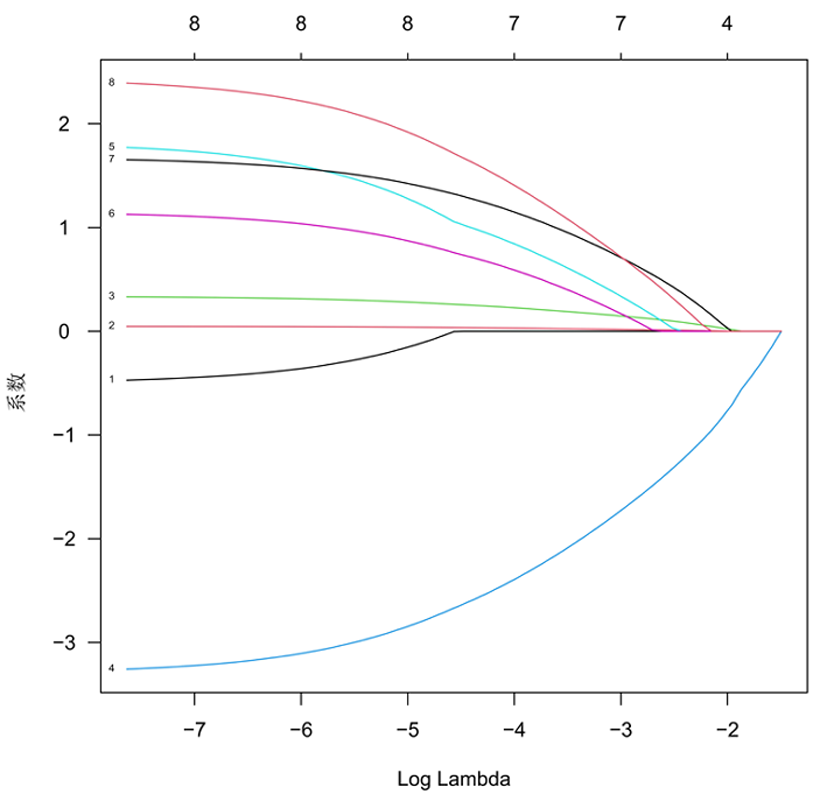
Fig.1 Lasso regression variable selection path
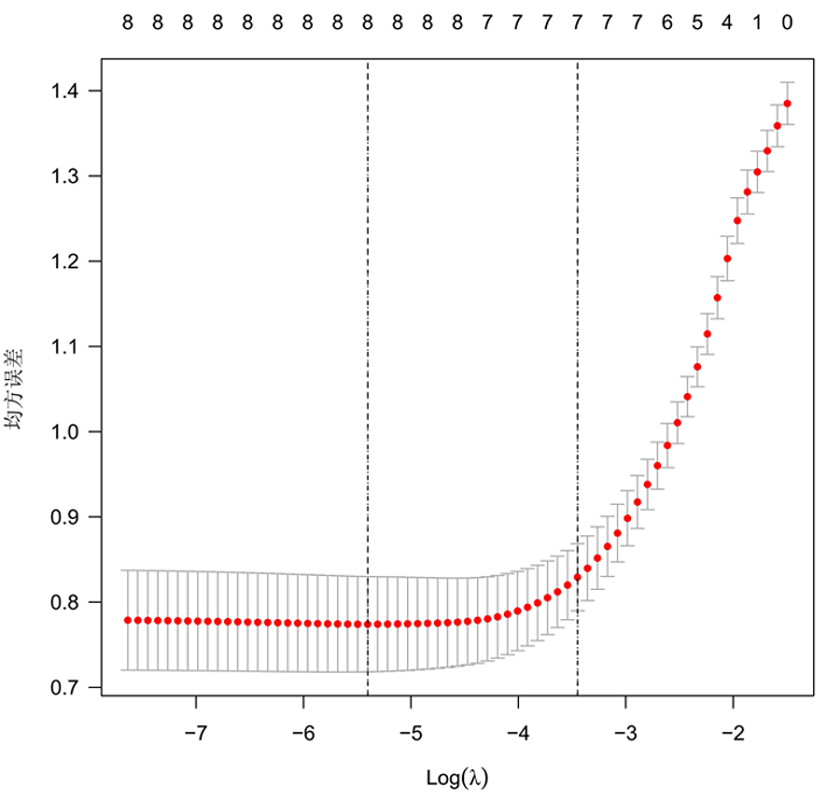
Fig.2 Lasso regression cross-validation curve
| 因素 | 回归系数 | 标准误 | Wald χ2值 | P值 | OR值 | 95%CI | |
|---|---|---|---|---|---|---|---|
| 下限 | 上限 | ||||||
| 性别 | -0.501 | 0.474 | 1.116 | 0.291 | 0.606 | 0.239 | 1.535 |
| 年龄 | 0.048 | 0.018 | 7.630 | 0.006 | 1.050 | 1.014 | 1.086 |
| 透析龄 | 0.338 | 0.064 | 27.526 | <0.01 | 1.402 | 1.236 | 1.590 |
| 血钙 | -3.297 | 0.547 | 36.320 | <0.01 | 0.037 | 0.013 | 0.108 |
| 焦虑 | 1.819 | 0.718 | 6.418 | 0.011 | 6.165 | 1.509 | 25.181 |
| 抑郁 | 1.152 | 0.522 | 4.877 | 0.027 | 3.165 | 1.138 | 8.799 |
| 尿毒症瘙痒 | 1.676 | 0.431 | 15.114 | <0.01 | 5.344 | 2.296 | 12.439 |
| RLS | 2.437 | 0.657 | 13.746 | <0.01 | 11.442 | 3.154 | 41.506 |
Tab.2 Multivariate analysis of risk factors for sleep disorders in MHD patients
| 因素 | 回归系数 | 标准误 | Wald χ2值 | P值 | OR值 | 95%CI | |
|---|---|---|---|---|---|---|---|
| 下限 | 上限 | ||||||
| 性别 | -0.501 | 0.474 | 1.116 | 0.291 | 0.606 | 0.239 | 1.535 |
| 年龄 | 0.048 | 0.018 | 7.630 | 0.006 | 1.050 | 1.014 | 1.086 |
| 透析龄 | 0.338 | 0.064 | 27.526 | <0.01 | 1.402 | 1.236 | 1.590 |
| 血钙 | -3.297 | 0.547 | 36.320 | <0.01 | 0.037 | 0.013 | 0.108 |
| 焦虑 | 1.819 | 0.718 | 6.418 | 0.011 | 6.165 | 1.509 | 25.181 |
| 抑郁 | 1.152 | 0.522 | 4.877 | 0.027 | 3.165 | 1.138 | 8.799 |
| 尿毒症瘙痒 | 1.676 | 0.431 | 15.114 | <0.01 | 5.344 | 2.296 | 12.439 |
| RLS | 2.437 | 0.657 | 13.746 | <0.01 | 11.442 | 3.154 | 41.506 |
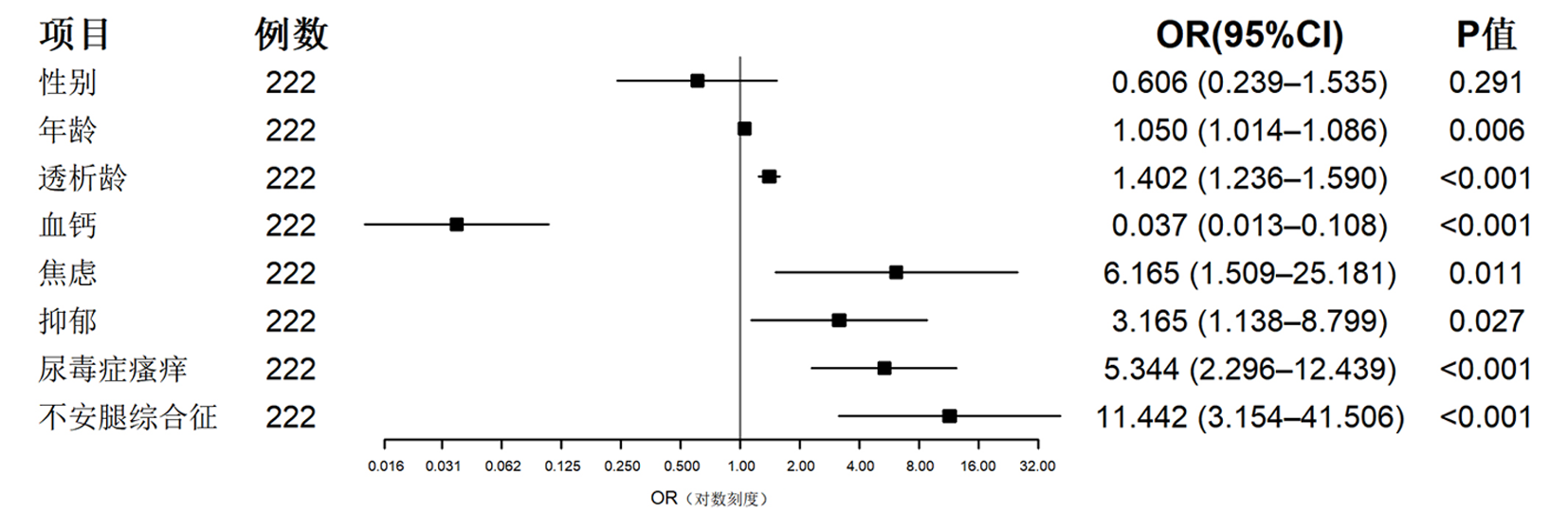
Fig.3 Forest plots of risk factors for sleep disorders in MHD patients
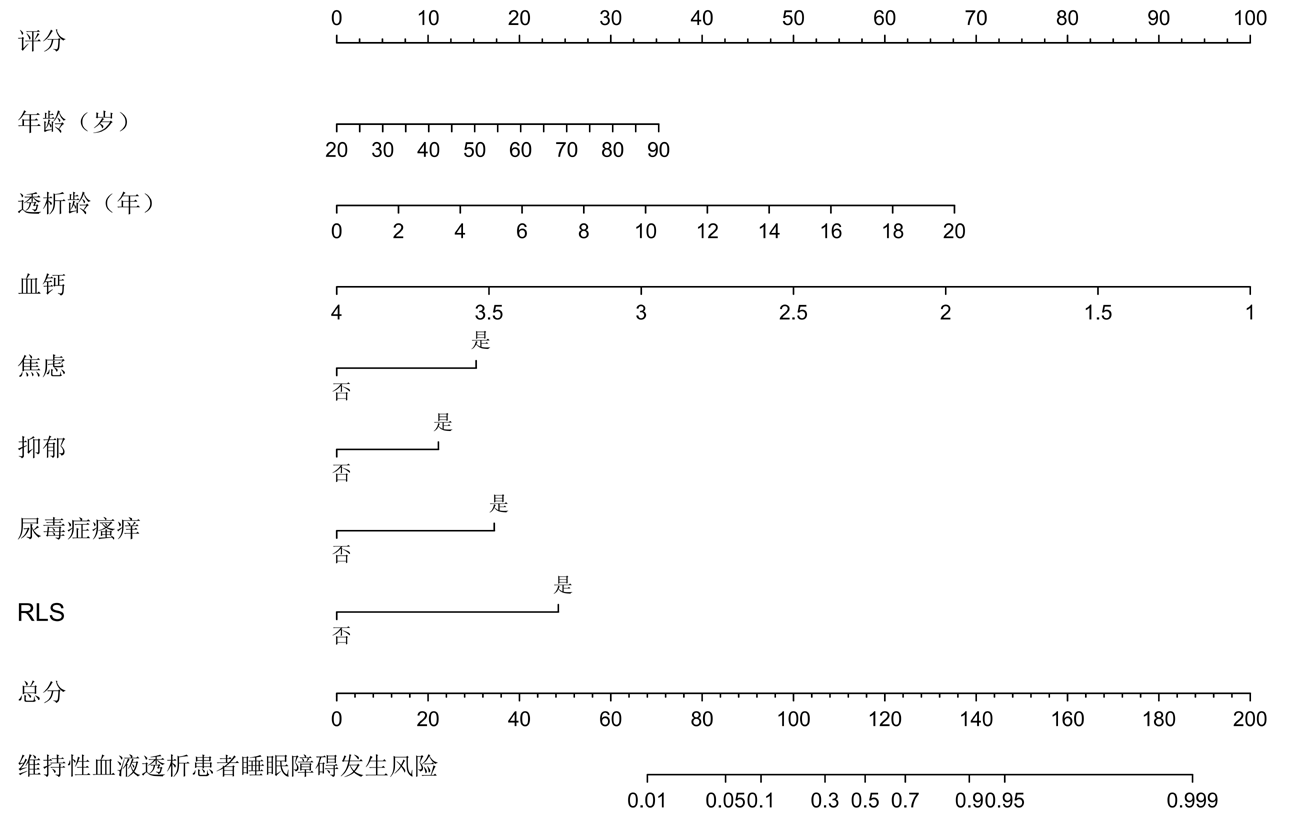
Fig.4 A Nomogram for predicting sleep disorders in MHD patients
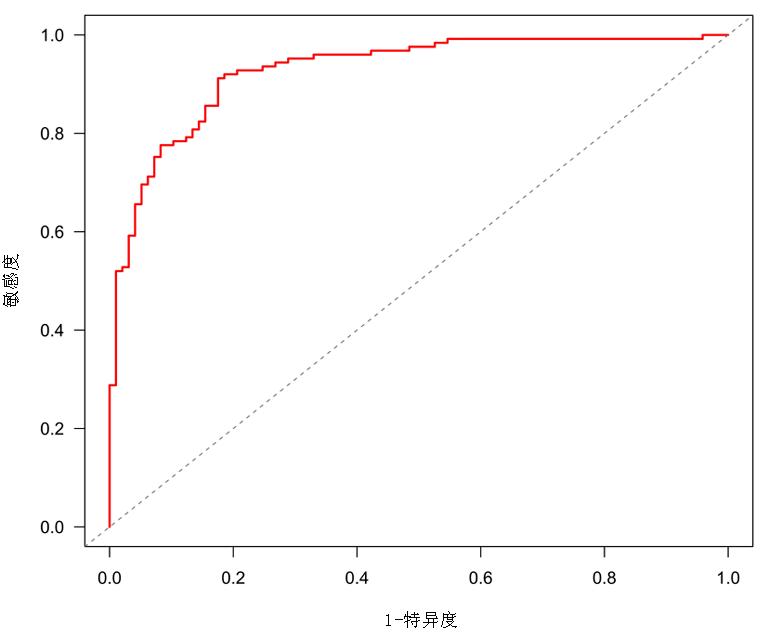
Fig. 5 ROC curve of the nomogram for predicting sleep disorders in MHD patients
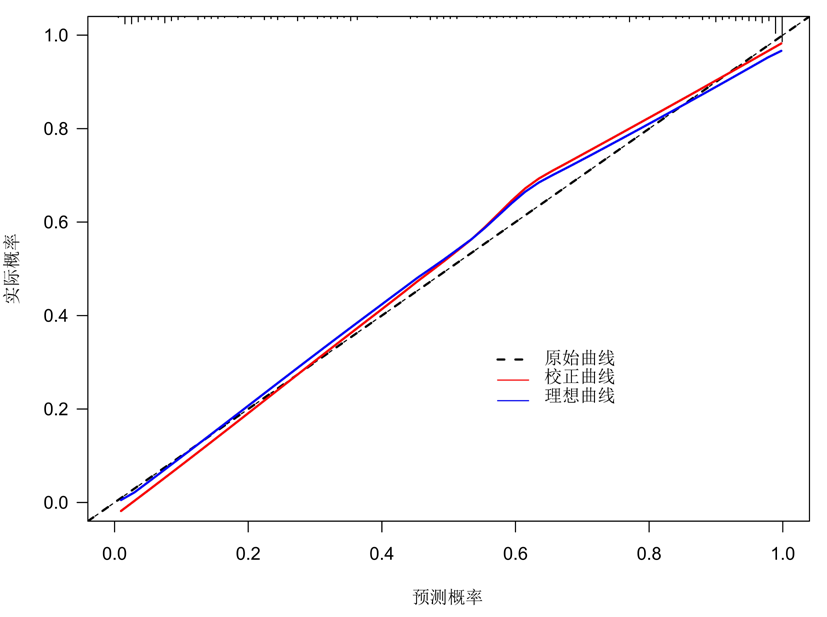
Fig.6 Calibration curve of the nomogram for predicting sleep disorders in MHD patients
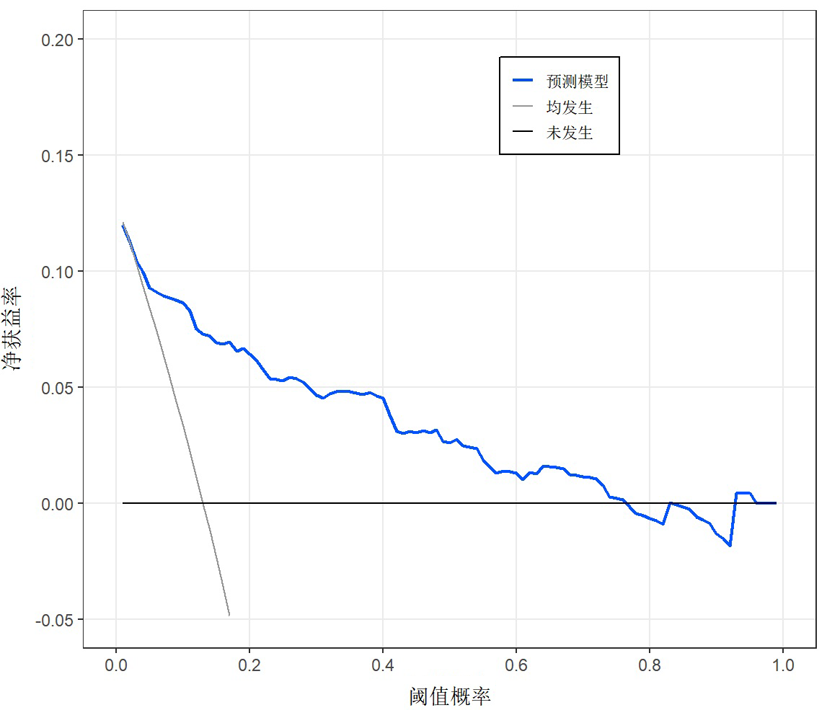
Fig.7 DCA of the nomogram for predicting sleep disorders in MHD patients
| [1] |
Chen TK, Knicely DH, Grams ME. Chronic kidney disease diagnosis and management: A review[J]. JAMA, 2019, 322(13):1294-1304.doi: 10.1001/jama.2019.14745.
pmid: 31573641 |
| [2] |
Wang L, Xu X, Zhang M, et al. Prevalence of chronic kidney disease in China: Results from the sixth China chronic disease and risk factor surveillance[J]. JAMA Intern Med, 2023, 183(4): 298-310.doi: 10.1001/jamainternmed.2022.6817.
pmid: 36804760 |
| [3] | Thurlow JS, Joshi M, Yan G, et al. Global epidemiology of end-stage kidney disease and disparities in kidney replacement therapy[J]. Am J Nephrol, 2021, 52(2): 98-107.doi: 10.1159/000514550. |
| [4] |
Mirghaed MT, Sepehrian R, Rakhshan A, et al. Sleep quality in iranian hemodialysis patients: A systematic review and meta-analysis[J]. Iran J Nurs Midwifery Res, 2019, 24(6):403-409.doi: 10.4103/ijnmr.
pmid: 31772913 |
| [5] | Chu G, Choi P, McDonald VM. Sleep disturbance and sleep-disordered breathing in hemodialysis patients[C]Semin Dial, 2018, 31(1):48-58. doi: 10.1111/sdi.12617. |
| [6] | Fitzpatrick J, Kerns ES, Kim ED, et al. Functional outcomes of sleep predict cardiovascular intermediary outcomes and all-cause mortality in patients on incident hemodialysis[J]. J Clin Sleep, 2021, 17(8):1707-1715.doi: 10.5664/jcsm.9304. |
| [7] |
Han Q, Liu B, Lin S, et al. Pittsburgh sleep quality index score predicts all-cause mortality in Chinese dialysis patients[J]. Int Urol Nephrol, 2021, 53(11):2369-2376.doi: 10.1007/s11255-021-02842-6.
pmid: 33788131 |
| [8] |
So JY, Warburton KM, Rosen IM. A guide to management of sleepiness in ESKD[J]. Am J Kidney Dis, 2020, 75(5):782-792.
doi: S0272-6386(19)31066-2 pmid: 31983503 |
| [9] | Chu G, Matricciani L, Russo S, et al. Sleep disturbances in adults with chronic kidney disease: An umbrella review[J]. J Nephrol, 2025, 38(2):353-369.doi:10.1007/s40620-025-02214-8. |
| [10] |
Sancho-Domingo C, Carballo JL, Coloma-Carmona A, et al. Brief version of the Pittsburgh Sleep Quality Index (B-PSQI) and measurement invariance across gender and age in a population-based sample[J]. Psychol Assess, 2021, 33(2):111-121.doi:10.1037/pas0000959.
pmid: 33119375 |
| [11] | 吴洵, 杜文聪, 苏健. 江苏省老年人抑郁、焦虑症状及共病影响因素:基于老年心理关爱行动项目数据分析[J]. 中国公共卫生, 2025, 41(11): 1301-1308.doi:10.11847/zgggws1147665. |
| [12] | 中华国际医学交流基金会中华肾脏病防治专项基金专家委员会. 慢性肾脏病相关瘙痒管理中国专家共识(2025年版)[J]. 中华肾脏病杂志, 2025, 41(7):555-566.doi:10.3760/cma.j.cn441217-20250110-00117. |
| [13] | 中国医师协会神经内科医师分会睡眠学组,中华医学会神经病学分会睡眠障碍学组, 中国睡眠研究会睡眠障碍专业委员会. 中国不宁腿综合征的诊断与治疗指南(2021版)[J]. 中华医学杂志, 2021, 101(13):908-925.doi:10.3760/cma.j.cn112137-20200820-02431. |
| [14] | 潘璐璐, 邵国建, 王泽敏, 等. 维持性血液透析患者睡眠障碍的相关危险因素分析[J]. 温州医科大学学报, 2023, 53(3):245-249.doi:10.3969/j.issn.2095-9400.2023.03.012. |
| [15] | 孙钰欣, 王俊霞. 维持性血液透析患者睡眠障碍的现状及其影响因素分析[J]. 中国血液净化, 2025, 24(8):635-641.doi:10.3969/j.issn.1671-4091.2025.08.004. |
| [16] | Xu X, Liu X, Yang C, et al. Diagnosis of tuberculous pericarditis in zhejiang, China: A diagnostic prediction model based on LASSO logistic regression[J]. J Inflamm Res, 2025, 18(3): 4681-4693.doi: 10.2147/JIR.S504183. |
| [17] | Du Z, Chu T, Dai F, et al. Correlation analysis of anxiety, depression, and sleep quality in end-stage renal disease patients undergoing maintenance hemodialysis[J]. Medicine (Baltimore), 2025, 104(42):e44433.doi: 10.1097/MD.0000000000044433. |
| [18] | Almutary H. Fatigue and pruritus impact sleep quality in hemodialysis patients[J]. Nat Sci Sleep, 2024, 16(31): 2289-2298.doi: 10.2147/NSS.S496376. |
| [19] | Liu Y, Du Q, Jiang Y. Prevalence of restless legs syndrome in maintenance hemodialysis patients: A systematic review and meta-analysis[J]. Sleep Med, 2024, 114(2): 15-23.doi: 10.1016/j.sleep.2023.11.1138. |
| [20] | Jeon YS, Yu S, Kim C, et al. T. Lower serum calcium levels associated with disrupted sleep and rest-activity rhythm in shift workers[J]. Nutrients, 2022, 22, 14(15):3021.doi:10.3390/nu14153021. |
| [21] | Fatima Y, Doi SA, Najman JM, et al. Exploring gender difference in sleep quality of young adults: Findings from a large population study[J]. Clin Med Res, 2016, 14(3-4):138-144. doi: 10.3121/cmr.2016.1338. |
| Viewed | ||||||
|
Full text |
|
|||||
|
Abstract |
|
|||||