Clinical Focus ›› 2026, Vol. 41 ›› Issue (5): 399-405.doi: 10.3969/j.issn.1004-583X.2026.05.002
Previous Articles Next Articles
Relationship between serum FABP5, SII, and VEGF levels and prognosis in patients with liver cancer
Wang Tianhui1( ), Lyu Hui1, Feng Lifei1, Chen Yajie2
- 1
Department of Laboratory Medicine ,Angang General Hospital
2Department of Laboratory Medicine ,Anyang Tumour Hospital
-
Received:2026-04-16Online:2026-05-20Published:2026-05-26 -
Contact:Wang Tianhui,Email:17630557785@163.com

CLC Number:
Cite this article
Wang Tianhui, Lyu Hui, Feng Lifei, Chen Yajie. Relationship between serum FABP5, SII, and VEGF levels and prognosis in patients with liver cancer[J]. Clinical Focus, 2026, 41(5): 399-405.
share this article
Add to citation manager EndNote|Ris|BibTeX
URL: https://www.lchc.cn/EN/10.3969/j.issn.1004-583X.2026.05.002
| 组别 | 例数 | FABP5(μg/L) | SII | VEGF(ng/L) |
|---|---|---|---|---|
| 观察组 | 200 | 14.51±3.41 | 323.45±31.52 | 381.52±40.56 |
| 对照组 | 200 | 7.85±2.86 | 198.64±25.68 | 205.64±27.86 |
| t值 | 21.163 | 43.414 | 20.548 | |
| P值 | <0.01 | <0.01 | <0.01 |
Tab. 1 Serum FABP5, SII and VEGF levels between the observation group and the control group
| 组别 | 例数 | FABP5(μg/L) | SII | VEGF(ng/L) |
|---|---|---|---|---|
| 观察组 | 200 | 14.51±3.41 | 323.45±31.52 | 381.52±40.56 |
| 对照组 | 200 | 7.85±2.86 | 198.64±25.68 | 205.64±27.86 |
| t值 | 21.163 | 43.414 | 20.548 | |
| P值 | <0.01 | <0.01 | <0.01 |
| 项目 | 预后不良组(n=94) | 预后良好组(n=106) | χ2/t值 | P值 |
|---|---|---|---|---|
| 年龄(岁) | 60.52±9.56 | 59.86±8.77 | 0.509 | 0.611 |
| 性别(男/女) | 57/37 | 65/41 | 0.010 | 0.921 |
| 肝功能Child-Pugh分级[例(%)] | ||||
| A级 B级 | 56(59.57) 38(40.43) | 77(72.64) 29(27.36) | 3.818 | 0.051 |
| 分化程度[例(%)] | ||||
| 低分化 | 26(27.66) | 31(29.25) | ||
| 中分化 | 37(39.36) | 35(33.02) | 0.918 | 0.632 |
| 高分化 | 31(32.98) | 40(37.74) | ||
| 合并高血压[例(%)] | 45(47.87) | 41(38.68) | 1.718 | 0.190 |
| 合并糖尿病[例(%)] | 51(54.26) | 60(56.60) | 0.111 | 0.739 |
| 肿瘤最大径(cm) | 2.86±0.53 | 2.78±0.61 | 0.984 | 0.326 |
| 肿瘤数目(个)[例(%)] | ||||
| ≥2 <2 | 53(56.38) 41(43.62) | 66(62.26) 40(37.74) | 0.715 | 0.398 |
| 肿瘤TNM分期[例(%)] | ||||
| Ⅰ~Ⅱ期 Ⅲ~Ⅳ期 | 30(31.91) 64(68.09) | 77(72.64) 29(27.36) | 33.216 | <0.01 |
| 病理分型[例(%)] | ||||
| 肝细胞肝癌 | 34(36.17) | 48(45.28) | ||
| 胆管细胞癌 | 34(36.17) | 28(26.42) | 2.546 | 0.280 |
| 混合细胞癌 | 26(27.66) | 30(28.30) | ||
| WBC(×109/L) | 8.78±1.35 | 8.61±1.43 | 0.861 | 0.390 |
| PLT(×109/L) | 138.46±18.67 | 141.55±19.63 | 1.137 | 0.257 |
| Hb(g/L) | 208.67±35.46 | 213.57±32.48 | 1.020 | 0.309 |
| ALB(g/L) | 49.56±7.11 | 48.67±7.63 | 0.850 | 0.396 |
| AST(U/L) | 29.65±5.11 | 30.52±6.02 | 1.094 | 0.275 |
| ALT(U/L) | 29.53±6.22 | 30.11±6.37 | 0.650 | 0.517 |
| Cr(μmol/L) | 68.56±16.79 | 71.53±18.62 | 1.179 | 0.240 |
| BUN(mmol/L) | 4.26±1.02 | 4.47±1.15 | 1.359 | 0.176 |
| UA(μmol/L) | 298.55±46.67 | 310.52±52.41 | 1.697 | 0.091 |
| AFP(μg/L) | 291.47±40.37 | 277.65±36.53 | 2.541 | 0.012 |
| CEA(μg/L) | 13.25±3.47 | 12.58±4.05 | 1.248 | 0.213 |
| PIVKA-Ⅱ(μg/L) | 336.55±62.49 | 315.68±58.64 | 2.435 | 0.016 |
| FABP5(μg/L) | 17.85±2.68 | 11.33±2.86 | 16.572 | <0.01 |
| SII | 342.56±40.15 | 291.64±36.45 | 9.401 | <0.01 |
| VEGF(ng/L) | 457.68±52.11 | 316.53±38.49 | 21.945 | <0.01 |
Tab. 2 Clinical baseline characteristics and serum FABP5, SII, and VEGF levels in patients with different prognoses
| 项目 | 预后不良组(n=94) | 预后良好组(n=106) | χ2/t值 | P值 |
|---|---|---|---|---|
| 年龄(岁) | 60.52±9.56 | 59.86±8.77 | 0.509 | 0.611 |
| 性别(男/女) | 57/37 | 65/41 | 0.010 | 0.921 |
| 肝功能Child-Pugh分级[例(%)] | ||||
| A级 B级 | 56(59.57) 38(40.43) | 77(72.64) 29(27.36) | 3.818 | 0.051 |
| 分化程度[例(%)] | ||||
| 低分化 | 26(27.66) | 31(29.25) | ||
| 中分化 | 37(39.36) | 35(33.02) | 0.918 | 0.632 |
| 高分化 | 31(32.98) | 40(37.74) | ||
| 合并高血压[例(%)] | 45(47.87) | 41(38.68) | 1.718 | 0.190 |
| 合并糖尿病[例(%)] | 51(54.26) | 60(56.60) | 0.111 | 0.739 |
| 肿瘤最大径(cm) | 2.86±0.53 | 2.78±0.61 | 0.984 | 0.326 |
| 肿瘤数目(个)[例(%)] | ||||
| ≥2 <2 | 53(56.38) 41(43.62) | 66(62.26) 40(37.74) | 0.715 | 0.398 |
| 肿瘤TNM分期[例(%)] | ||||
| Ⅰ~Ⅱ期 Ⅲ~Ⅳ期 | 30(31.91) 64(68.09) | 77(72.64) 29(27.36) | 33.216 | <0.01 |
| 病理分型[例(%)] | ||||
| 肝细胞肝癌 | 34(36.17) | 48(45.28) | ||
| 胆管细胞癌 | 34(36.17) | 28(26.42) | 2.546 | 0.280 |
| 混合细胞癌 | 26(27.66) | 30(28.30) | ||
| WBC(×109/L) | 8.78±1.35 | 8.61±1.43 | 0.861 | 0.390 |
| PLT(×109/L) | 138.46±18.67 | 141.55±19.63 | 1.137 | 0.257 |
| Hb(g/L) | 208.67±35.46 | 213.57±32.48 | 1.020 | 0.309 |
| ALB(g/L) | 49.56±7.11 | 48.67±7.63 | 0.850 | 0.396 |
| AST(U/L) | 29.65±5.11 | 30.52±6.02 | 1.094 | 0.275 |
| ALT(U/L) | 29.53±6.22 | 30.11±6.37 | 0.650 | 0.517 |
| Cr(μmol/L) | 68.56±16.79 | 71.53±18.62 | 1.179 | 0.240 |
| BUN(mmol/L) | 4.26±1.02 | 4.47±1.15 | 1.359 | 0.176 |
| UA(μmol/L) | 298.55±46.67 | 310.52±52.41 | 1.697 | 0.091 |
| AFP(μg/L) | 291.47±40.37 | 277.65±36.53 | 2.541 | 0.012 |
| CEA(μg/L) | 13.25±3.47 | 12.58±4.05 | 1.248 | 0.213 |
| PIVKA-Ⅱ(μg/L) | 336.55±62.49 | 315.68±58.64 | 2.435 | 0.016 |
| FABP5(μg/L) | 17.85±2.68 | 11.33±2.86 | 16.572 | <0.01 |
| SII | 342.56±40.15 | 291.64±36.45 | 9.401 | <0.01 |
| VEGF(ng/L) | 457.68±52.11 | 316.53±38.49 | 21.945 | <0.01 |
| 组别 | 例数 | FABP5(μg/L) | SII | VEGF(ng/L) |
|---|---|---|---|---|
| Ⅰ~Ⅱ期 | 107 | 13.50±2.61 | 281.68±38.67 | 320.45±55.18 |
| Ⅲ~Ⅳ期 | 93 | 15.48±3.05 | 349.56±43.97 | 429.68±66.54 |
| t值 | 4.947 | 11.617 | 12.688 | |
| P值 | <0.01 | <0.01 | <0.01 |
Tab. 3 Serum FABP5, SII and VEGF levels in patients with liver cancer across different TNM stages
| 组别 | 例数 | FABP5(μg/L) | SII | VEGF(ng/L) |
|---|---|---|---|---|
| Ⅰ~Ⅱ期 | 107 | 13.50±2.61 | 281.68±38.67 | 320.45±55.18 |
| Ⅲ~Ⅳ期 | 93 | 15.48±3.05 | 349.56±43.97 | 429.68±66.54 |
| t值 | 4.947 | 11.617 | 12.688 | |
| P值 | <0.01 | <0.01 | <0.01 |
| 组别 | 例数 | FABP5(μg/L) | SII | VEGF(ng/L) | AFP(μg/L) | PIVKA-Ⅱ(μg/L) | |||||||||
|---|---|---|---|---|---|---|---|---|---|---|---|---|---|---|---|
| Ⅰ~Ⅱ期 | Ⅲ~Ⅳ期 | Ⅰ~Ⅱ期 | Ⅲ~Ⅳ期 | Ⅰ~Ⅱ期 | Ⅲ~Ⅳ期 | Ⅰ~Ⅱ期 | Ⅲ~Ⅳ期 | Ⅰ~Ⅱ期 | Ⅲ~Ⅳ期 | ||||||
| 预后不良组 | 94 | 14.95±2.34 | 17.11±2.64 | 299.86±41.09 | 367.49±46.53 | 340.85±38.49 | 445.81±48.11 | 295.68±41.59 | 309.85±41.07 | 326.49±34.59 | 358.45±49.65 | ||||
| 预后良好组 | 106 | 12.83±2.15 | 12.38±2.85 | 261.53±35.44 | 331.52±41.27 | 301.25±34.89 | 412.58±54.18 | 259.56±38.46 | 273.48±39.45 | 302.55±41.28 | 315.49±41.25 | ||||
| t值 | 4.469 | 7.808 | 4.802 | 3.573 | 5.122 | 2.966 | 4.265 | 4.004 | 2.698 | 4.064 | |||||
| P值 | <0.01 | <0.01 | <0.01 | <0.01 | <0.01 | 0.004 | <0.01 | <0.01 | 0.008 | <0.01 | |||||
Tab. 4 Comparison of indicators between the good prognosis group and the poor prognosis group within the same TNM stage
| 组别 | 例数 | FABP5(μg/L) | SII | VEGF(ng/L) | AFP(μg/L) | PIVKA-Ⅱ(μg/L) | |||||||||
|---|---|---|---|---|---|---|---|---|---|---|---|---|---|---|---|
| Ⅰ~Ⅱ期 | Ⅲ~Ⅳ期 | Ⅰ~Ⅱ期 | Ⅲ~Ⅳ期 | Ⅰ~Ⅱ期 | Ⅲ~Ⅳ期 | Ⅰ~Ⅱ期 | Ⅲ~Ⅳ期 | Ⅰ~Ⅱ期 | Ⅲ~Ⅳ期 | ||||||
| 预后不良组 | 94 | 14.95±2.34 | 17.11±2.64 | 299.86±41.09 | 367.49±46.53 | 340.85±38.49 | 445.81±48.11 | 295.68±41.59 | 309.85±41.07 | 326.49±34.59 | 358.45±49.65 | ||||
| 预后良好组 | 106 | 12.83±2.15 | 12.38±2.85 | 261.53±35.44 | 331.52±41.27 | 301.25±34.89 | 412.58±54.18 | 259.56±38.46 | 273.48±39.45 | 302.55±41.28 | 315.49±41.25 | ||||
| t值 | 4.469 | 7.808 | 4.802 | 3.573 | 5.122 | 2.966 | 4.265 | 4.004 | 2.698 | 4.064 | |||||
| P值 | <0.01 | <0.01 | <0.01 | <0.01 | <0.01 | 0.004 | <0.01 | <0.01 | 0.008 | <0.01 | |||||
| 项目 | AUC | 95%CI | 截断值 | 敏感度(%) | 特异度(%) |
|---|---|---|---|---|---|
| FABP5 | 0.637 | 0.567~0.704 | 14.96 μg/L | 71.28 | 62.26 |
| SII | 0.534 | 0.462~0.604 | 308.00 | 58.51 | 69.81 |
| VEGF | 0.619 | 0.548~0.687 | 380.72 ng/L | 71.28 | 67.92 |
| 联合预测 | 0.879 | 0.826~0.921 | - | 85.11 | 71.70 |
Tab. 5 ROC analysis of serum FABP5, SII, and VEGF levels for prognosis in patients with liver cancer
| 项目 | AUC | 95%CI | 截断值 | 敏感度(%) | 特异度(%) |
|---|---|---|---|---|---|
| FABP5 | 0.637 | 0.567~0.704 | 14.96 μg/L | 71.28 | 62.26 |
| SII | 0.534 | 0.462~0.604 | 308.00 | 58.51 | 69.81 |
| VEGF | 0.619 | 0.548~0.687 | 380.72 ng/L | 71.28 | 67.92 |
| 联合预测 | 0.879 | 0.826~0.921 | - | 85.11 | 71.70 |
| 项目 | AUC | 95%CI | 截断值 | 敏感度(%) | 特异度(%) |
|---|---|---|---|---|---|
| AFP | 0.619 | 0.548~0.687 | 303.66 μg/L | 60.64 | 62.26 |
| PIVKA-Ⅱ | 0.579 | 0.507~0.648 | 346.50 μg/L | 64.89 | 60.38 |
| 联合预测 | 0.835 | 0.776~0.883 | - | 85.11 | 69.81 |
Tab. 6 ROC analysis of serum AFP and PIVKA-Ⅱ levels for prognosis in patients with liver cancer
| 项目 | AUC | 95%CI | 截断值 | 敏感度(%) | 特异度(%) |
|---|---|---|---|---|---|
| AFP | 0.619 | 0.548~0.687 | 303.66 μg/L | 60.64 | 62.26 |
| PIVKA-Ⅱ | 0.579 | 0.507~0.648 | 346.50 μg/L | 64.89 | 60.38 |
| 联合预测 | 0.835 | 0.776~0.883 | - | 85.11 | 69.81 |
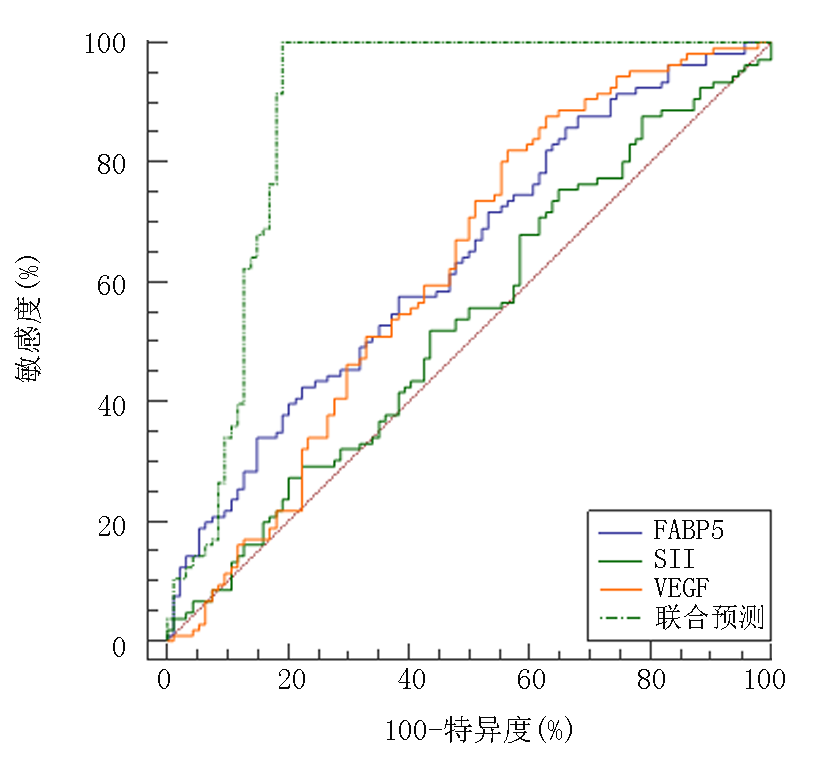
Fig. 1 ROC analysis of serum FABP5, SII, and VEGF levels for prognosis in patients with liver cancer
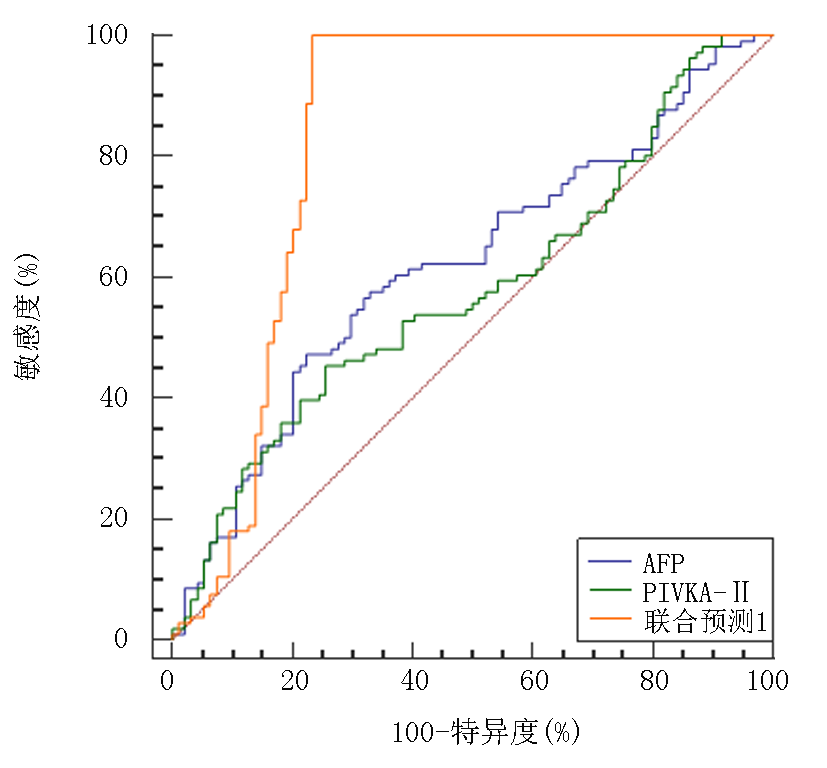
Fig. 2 ROC analysis of serum AFP and PIVKA-Ⅱ levels for prognosis in patients with liver cancer
| 变量 | 回归系数 | 标准误 | Waldχ2值 | HR值 | 95%CI | P值 |
|---|---|---|---|---|---|---|
| FABP5≥14.96 μg/L | 1.468 | 0.466 | 9.924 | 4.341 | 1.741~10.820 | 0.002 |
| SII≥308.00 | 1.133 | 0.502 | 5.094 | 3.105 | 1.161~8.306 | 0.025 |
| VEGF≥380.72 ng/L | 0.758 | 0.365 | 4.313 | 2.134 | 1.044~4.364 | 0.038 |
| AFP≥303.66 μg/L | 0.375 | 0.231 | 2.635 | 1.455 | 0.925~2.288 | 0.105 |
| PIVKA-Ⅱ≥346.50 μg/L | 0.677 | 0.365 | 3.440 | 1.968 | 0.962~4.024 | 0.064 |
| 肿瘤TNM分期Ⅲ~Ⅳ期 | 0.622 | 0.305 | 4.159 | 1.863 | 1.024~3.387 | 0.042 |
Tab.7 Cox regression analysis of factors affecting prognosis in patients with liver cancer
| 变量 | 回归系数 | 标准误 | Waldχ2值 | HR值 | 95%CI | P值 |
|---|---|---|---|---|---|---|
| FABP5≥14.96 μg/L | 1.468 | 0.466 | 9.924 | 4.341 | 1.741~10.820 | 0.002 |
| SII≥308.00 | 1.133 | 0.502 | 5.094 | 3.105 | 1.161~8.306 | 0.025 |
| VEGF≥380.72 ng/L | 0.758 | 0.365 | 4.313 | 2.134 | 1.044~4.364 | 0.038 |
| AFP≥303.66 μg/L | 0.375 | 0.231 | 2.635 | 1.455 | 0.925~2.288 | 0.105 |
| PIVKA-Ⅱ≥346.50 μg/L | 0.677 | 0.365 | 3.440 | 1.968 | 0.962~4.024 | 0.064 |
| 肿瘤TNM分期Ⅲ~Ⅳ期 | 0.622 | 0.305 | 4.159 | 1.863 | 1.024~3.387 | 0.042 |
| [1] |
|
| [2] |
|
| [3] |
任晨然, 郭敏, 王涛, 等. 原发性肝癌血清标志物:机会与挑战[J]. 中南医学科学杂志, 2024, 52(3):313-317.doi: 10.15972/j.cnki.43-1509/r.2024.03.001.
|
| [4] |
|
| [5] |
盖雪, 李国华, 付荣, 等. 多层螺旋CT灌注扫描联合血清FABP5、SEMA-3B对老年原发性肝癌的诊断和预后评估价值[J]. 中国老年学杂志, 2023, 43(15):3639-3642.doi: 10.3969/j.issn.1005-9202.2023.15.017.
|
| [6] |
pmid: 38111765 |
| [7] |
pmid: 40632201 |
| [8] |
|
| [9] |
陈钰, 陈斌斌, 赵静, 等. MRI联合血清AFP-L3和VEGF水平预测TACE术治疗的原发性肝癌患者预后的价值[J]. 实用肝脏病杂志, 2023, 26(4):556-559.doi: 10.3969/j.issn.1672-5069.2023.04.026.
|
| [10] |
中华人民共和国国家卫生健康委员会. 原发性肝癌诊疗指南(2022年版)[J]. 肿瘤防治研究, 2022, 49(3):251-276.doi: 10.3971/j.issn.1000-8578.2022.03.0001.
|
| [11] |
王星星, 李娅, 王璐璐. 老年原发性肝癌患者血清FABP5、SEMA-3B水平变化及其临床意义[J]. 实用癌症杂志, 2025, 40(4):558-562.doi: 10.3969/j.issn.1001-5930.2025.04.010.
|
| [12] |
|
| [13] |
覃文办, 谢一嫏, 陈金杰, 等. 血清SEMA-3B及suPAR和FABP5对中晚期肝癌患者预后评估的应用价值[J]. 中国病毒病杂志, 2022, 12(3):214-220.doi: 10.16505/j.2095-0136.2022.0055.
|
| [14] |
|
| [15] |
|
| [16] |
毛月琴, 张红侠, 宋海燕, 等. TACE联合毒痰瘀脾虚方治疗原发性肝癌患者临床疗效研究[J]. 实用肝脏病杂志, 2022, 25(6):873-876.doi: 10.3969/j.issn.1672-5069.2022.06.029.
|
| [17] |
陈卓, 刘璐璐, 梅馨月. VEGF和CD34在原发性肝癌TACE术后患者癌组织中的表达及其与预后的关系[J]. 实用癌症杂志, 2025, 40(4):563-565.doi: 10.3969/j.issn.1001-5930.2025.04.011.
|
| Viewed | ||||||
|
Full text |
|
|||||
|
Abstract |
|
|||||