Clinical Focus ›› 2026, Vol. 41 ›› Issue (4): 293-300.doi: 10.3969/j.issn.1004-583X.2026.04.001
A meta-analysis of the efficacy and safety of romosozumab in the treatment of osteoporosis
Zhu Ruigang, Li Haoqiang, Wang Youkun, Guo Jidong, Wang Qiang( )
)
- Department of Trauma,Hand and Foot Microsurgery,Shihezi People's Hospital,Shihezi 832000,China
-
Received:2026-02-27Online:2026-04-20Published:2026-04-24 -
Contact:Wang Qiang,Email: wangq2090@126.com

CLC Number:
Cite this article
Zhu Ruigang, Li Haoqiang, Wang Youkun, Guo Jidong, Wang Qiang. A meta-analysis of the efficacy and safety of romosozumab in the treatment of osteoporosis[J]. Clinical Focus, 2026, 41(4): 293-300.
share this article
Add to citation manager EndNote|Ris|BibTeX
URL: https://www.lchc.cn/EN/10.3969/j.issn.1004-583X.2026.04.001
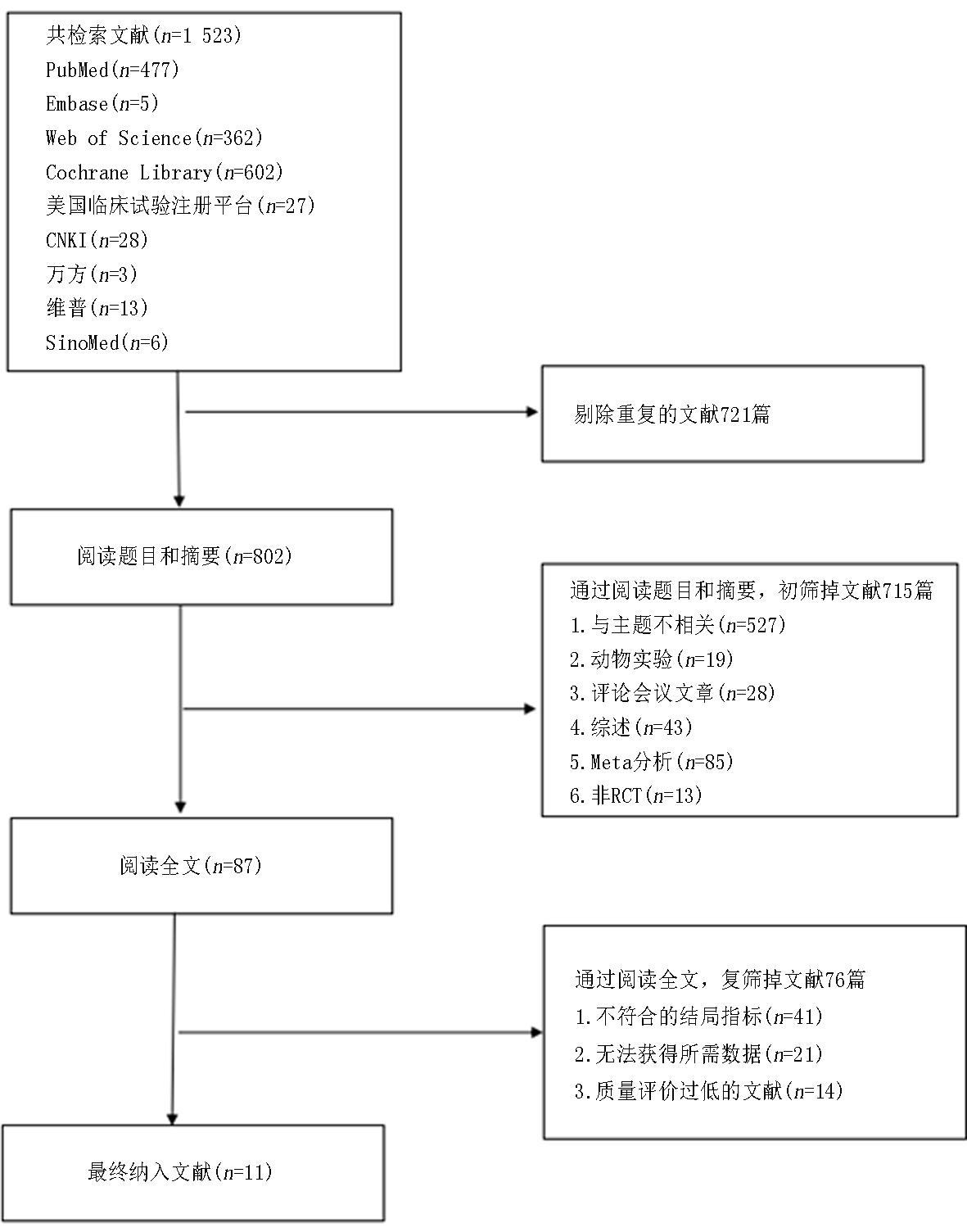
Fig.1 Literature screening flowchart
| 第一作者及发表年限 | 组别 | 例数 | 年龄(岁) | 干预措施 | 疗程 | 结局指标 |
|---|---|---|---|---|---|---|
| Lau[ | 试验组 对照组 | 146 129 | 75.2±7.0 74.0±6.7 | 罗莫珠单抗210 mg 阿仑膦酸钠 | 12个月 | ⑤⑥ |
| Bente[ | 试验组 对照组 | 1 494 1 519 | 70.4±7.1 70.4±6.9 | 罗莫珠单抗210 mg 安慰剂 | 12个月 | ④⑤⑥ |
| Cosman[ | 试验组 对照组 | 3 589 3 591 | 70.9±7.0 70.8±6.9 | 罗莫珠单抗210 mg 安慰剂 | 12个月 | ①②③④⑤⑥ |
| Baek[ | 试验组 对照组 | 34 33 | 66.7±7.6 68.4±7.2 | 罗莫珠单抗210 mg 安慰剂 | 6个月 | ①②③⑤ |
| Ishibashi[ | 试验组 对照组 | 63 63 | 68.3±5.9 67.8±7.2 | 罗莫珠单抗210 mg 安慰剂 | 12个月 | ①②③⑤⑥ |
| Mcclung[ | 试验组 | 52 | 66.3±6.5 | 罗莫珠单抗210 mg | ||
| 51 | 67.1±5.8 | 阿仑膦酸钠 | 12个月 | ①②③⑤⑥ | ||
| 55 | 66.8±5.7 | 特立帕肽 | ||||
| 对照组 | 52 | 67.0±6.5 | 安慰剂 | |||
| Padhi[ | 试验组 对照组 | 36 12 | 58.6±8.7 59.1±5.6 | 罗莫珠单抗 安慰剂 | 13个月 | ⑤⑥ |
| Lewiecki[ | 试验组 对照组 | 163 82 | 72.4±7.4 71.5±6.9 | 罗莫珠单抗210 mg 安慰剂 | 12个月 | ⑤⑥ |
| Saag[ | 试验组 对照组 | 2 046 2 047 | 74.4±7.5 74.2±7.5 | 罗莫珠单抗210 mg 阿仑磷酸盐70 mg | 12个月 | ①②③⑤⑥ |
| Padhi[ | 试验组 对照组 | 12 14 | 50.2±4.0 52.8±4.8 | 罗莫珠单抗 安慰剂 | 3个月 | ⑤⑥ |
| Langdahl[ | 试验组 对照组 | 218 218 | 71.8±7.4 71.2±7.7 | 罗莫珠单抗210 mg 特立帕肽 | 12个月 | ⑤⑥ |
Tab. 1 Baseline characteristics of the included studies
| 第一作者及发表年限 | 组别 | 例数 | 年龄(岁) | 干预措施 | 疗程 | 结局指标 |
|---|---|---|---|---|---|---|
| Lau[ | 试验组 对照组 | 146 129 | 75.2±7.0 74.0±6.7 | 罗莫珠单抗210 mg 阿仑膦酸钠 | 12个月 | ⑤⑥ |
| Bente[ | 试验组 对照组 | 1 494 1 519 | 70.4±7.1 70.4±6.9 | 罗莫珠单抗210 mg 安慰剂 | 12个月 | ④⑤⑥ |
| Cosman[ | 试验组 对照组 | 3 589 3 591 | 70.9±7.0 70.8±6.9 | 罗莫珠单抗210 mg 安慰剂 | 12个月 | ①②③④⑤⑥ |
| Baek[ | 试验组 对照组 | 34 33 | 66.7±7.6 68.4±7.2 | 罗莫珠单抗210 mg 安慰剂 | 6个月 | ①②③⑤ |
| Ishibashi[ | 试验组 对照组 | 63 63 | 68.3±5.9 67.8±7.2 | 罗莫珠单抗210 mg 安慰剂 | 12个月 | ①②③⑤⑥ |
| Mcclung[ | 试验组 | 52 | 66.3±6.5 | 罗莫珠单抗210 mg | ||
| 51 | 67.1±5.8 | 阿仑膦酸钠 | 12个月 | ①②③⑤⑥ | ||
| 55 | 66.8±5.7 | 特立帕肽 | ||||
| 对照组 | 52 | 67.0±6.5 | 安慰剂 | |||
| Padhi[ | 试验组 对照组 | 36 12 | 58.6±8.7 59.1±5.6 | 罗莫珠单抗 安慰剂 | 13个月 | ⑤⑥ |
| Lewiecki[ | 试验组 对照组 | 163 82 | 72.4±7.4 71.5±6.9 | 罗莫珠单抗210 mg 安慰剂 | 12个月 | ⑤⑥ |
| Saag[ | 试验组 对照组 | 2 046 2 047 | 74.4±7.5 74.2±7.5 | 罗莫珠单抗210 mg 阿仑磷酸盐70 mg | 12个月 | ①②③⑤⑥ |
| Padhi[ | 试验组 对照组 | 12 14 | 50.2±4.0 52.8±4.8 | 罗莫珠单抗 安慰剂 | 3个月 | ⑤⑥ |
| Langdahl[ | 试验组 对照组 | 218 218 | 71.8±7.4 71.2±7.7 | 罗莫珠单抗210 mg 特立帕肽 | 12个月 | ⑤⑥ |
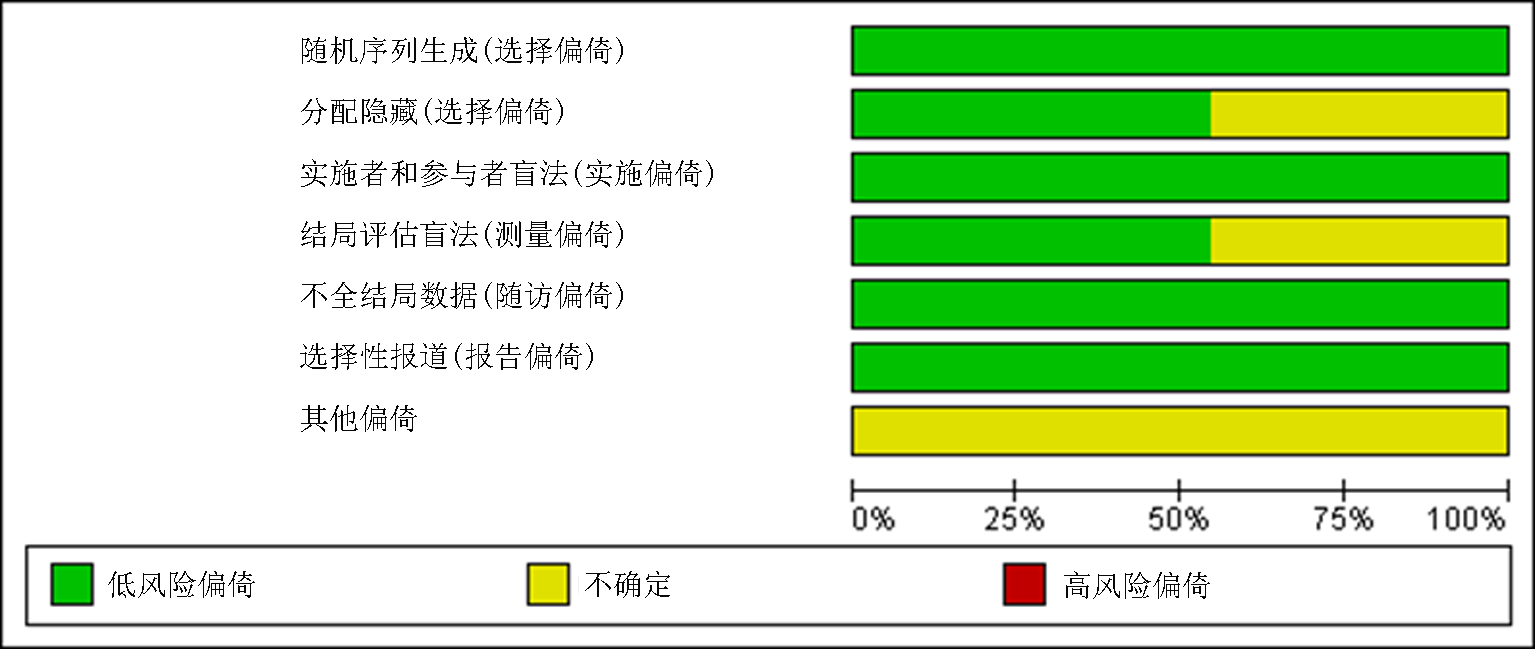
Fig. 2 Risk-of-bias bar chart
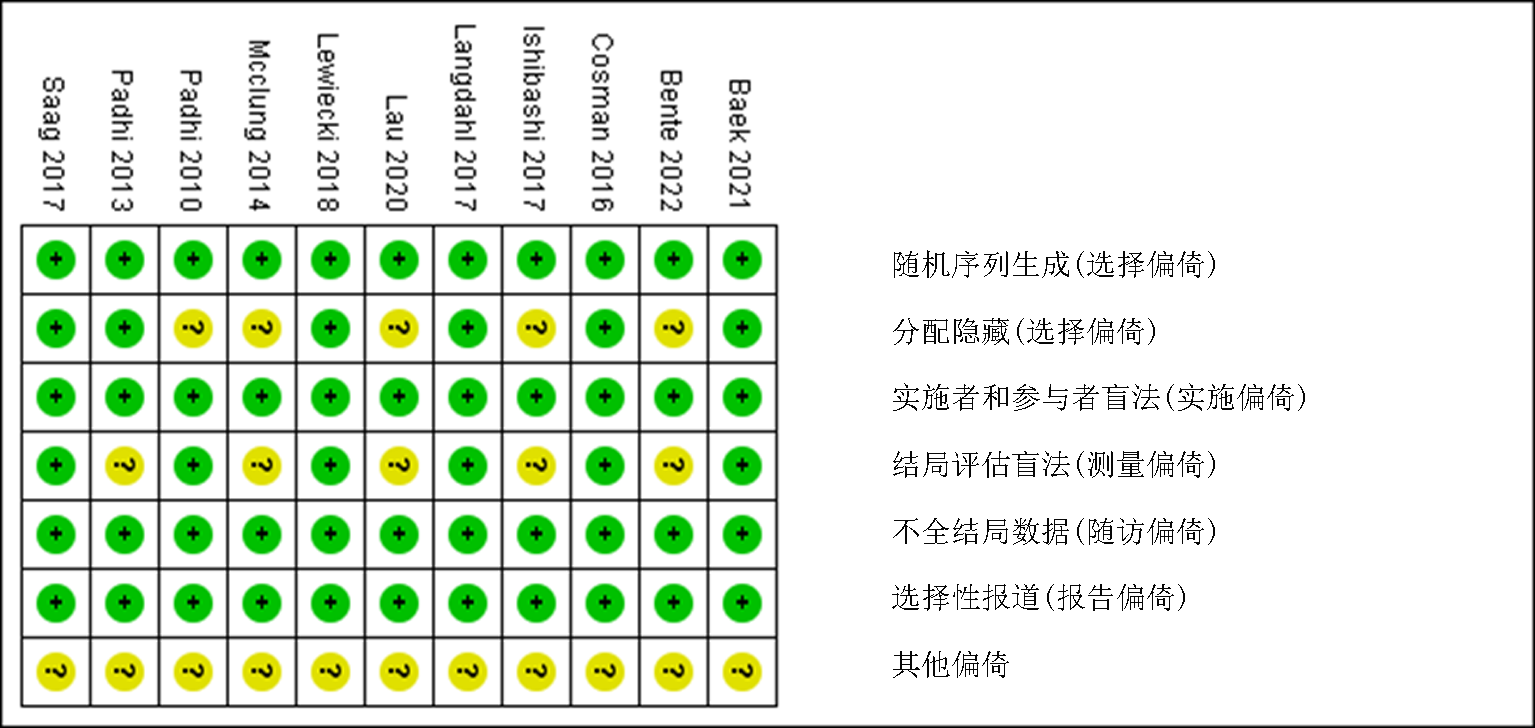
Fig. 3 Risk-of-bias summary plot
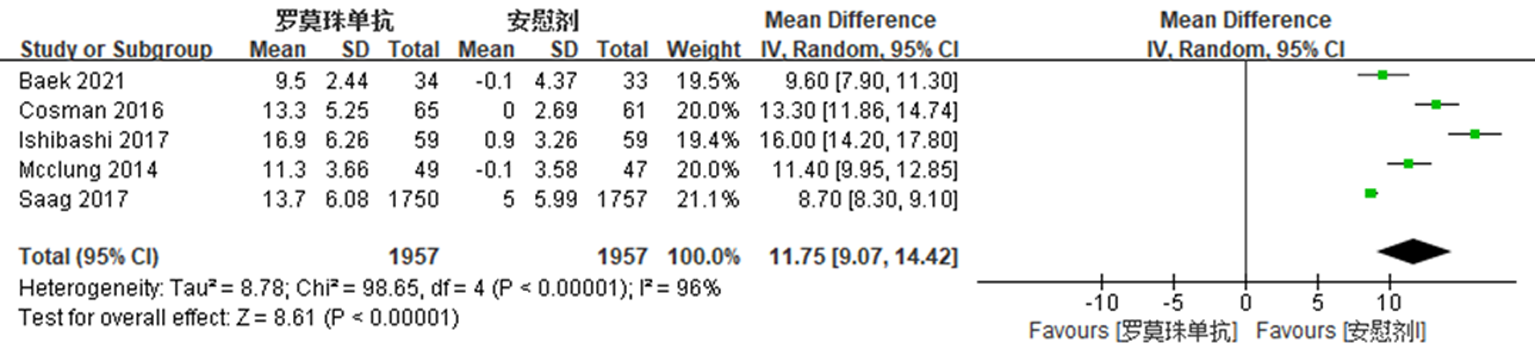
Fig. 4 Meta-analysis of lumbar spine bone mineral density
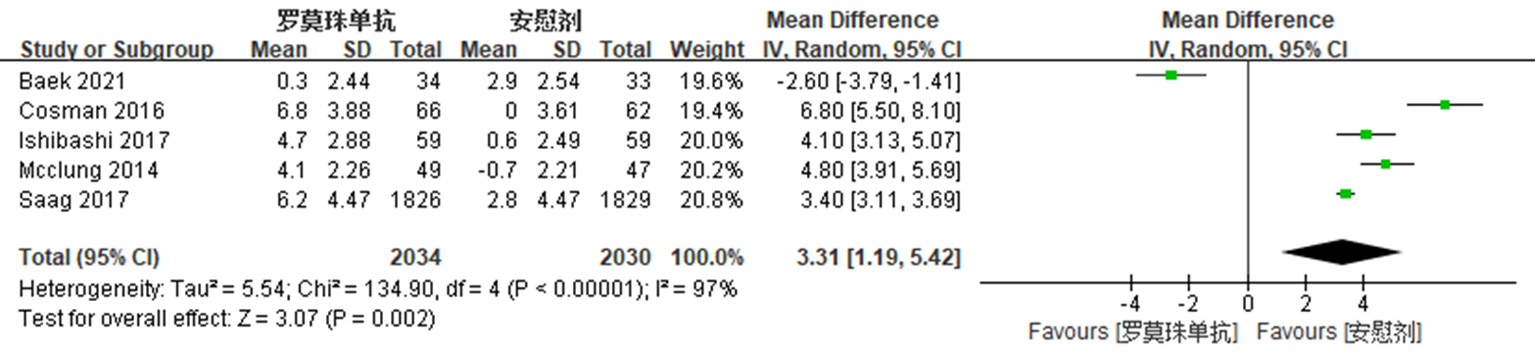
Fig. 5 Meta-analysis of total hip bone mineral density
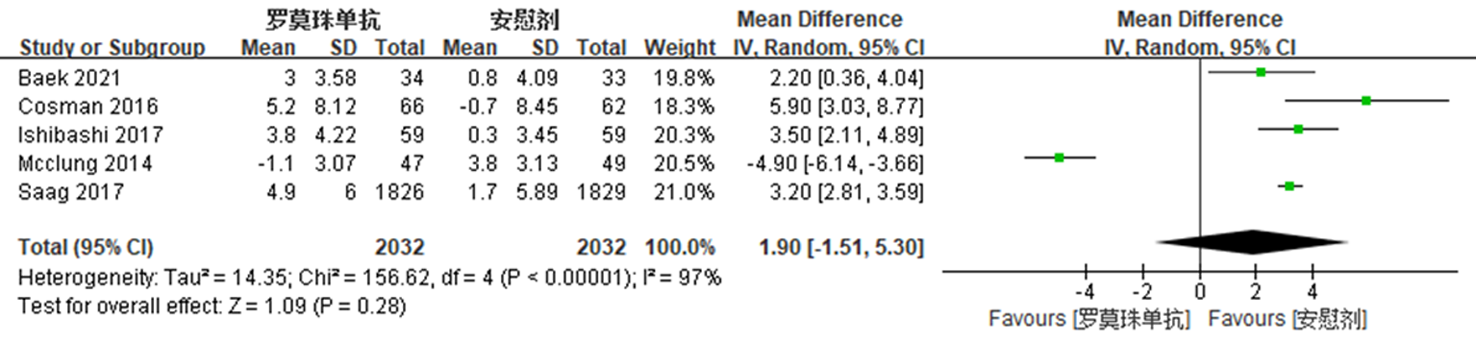
Fig. 6 Meta-analysis of femoral neck bone mineral density
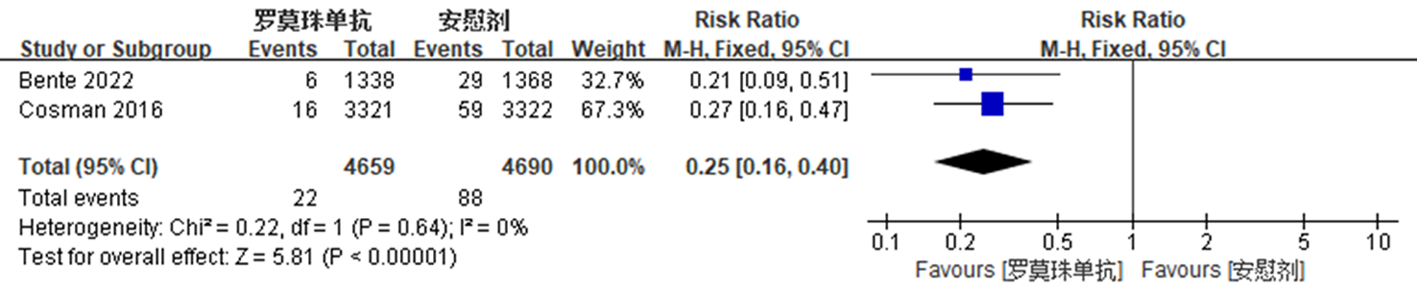
Fig.7 Meta-analysis of the incidence of new vertebral fractures
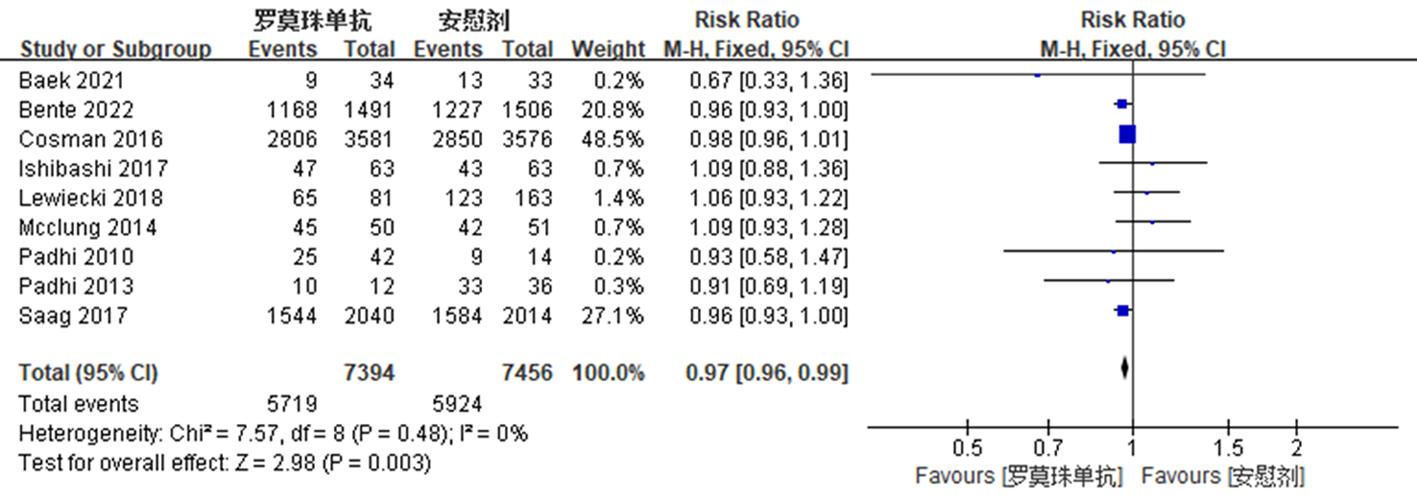
Fig.8 Meta-analysis of adverse event incidence in the romosozumab and placebo groups
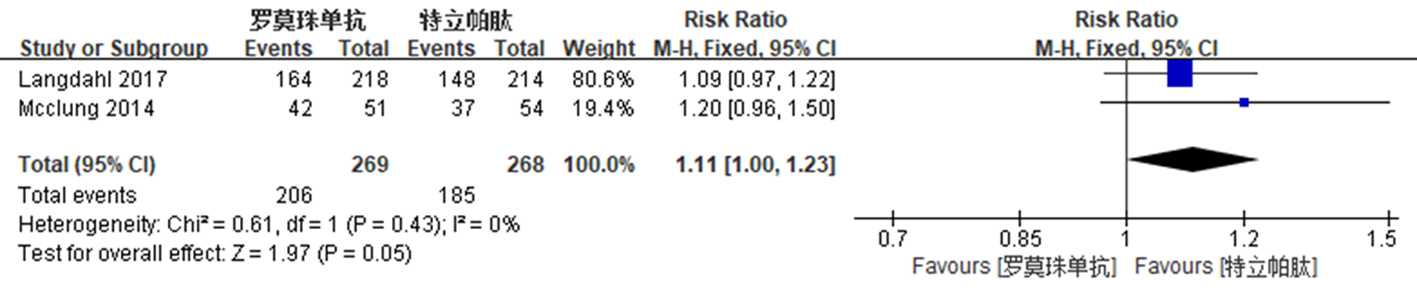
Fig. 9 Meta-analysis of adverse event incidence in the romosozumab and teriparatide groups
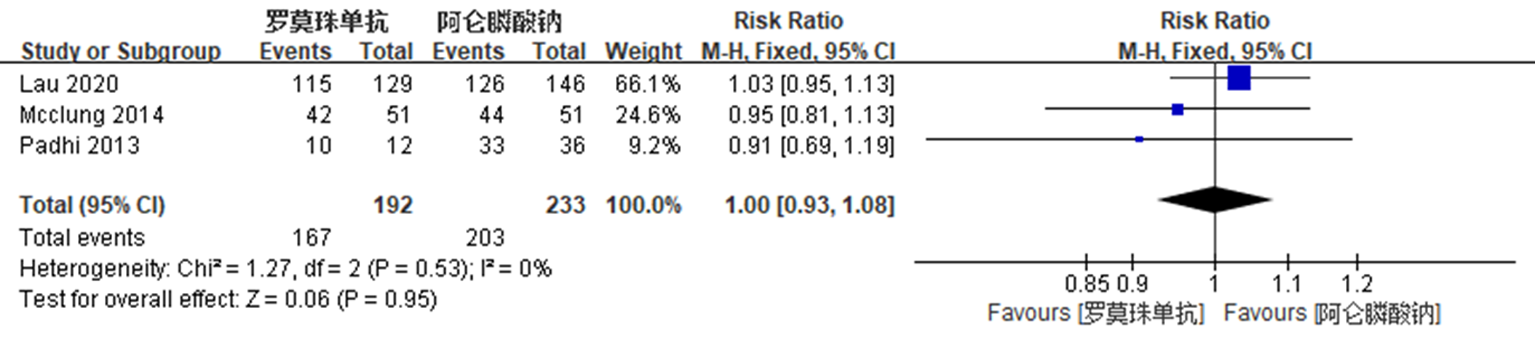
Fig.10 Meta-analysis of adverse event incidence in the romosozumab and alendronate groups
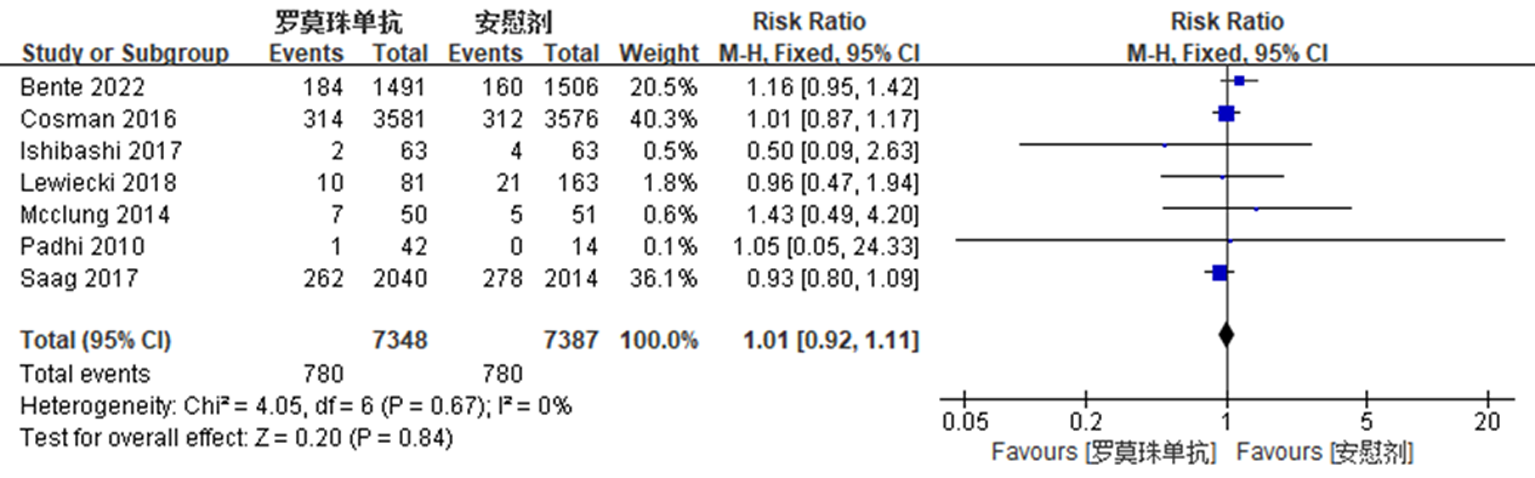
Fig.11 Meta-analysis of serious adverse event incidence in the romosozumab and placebo
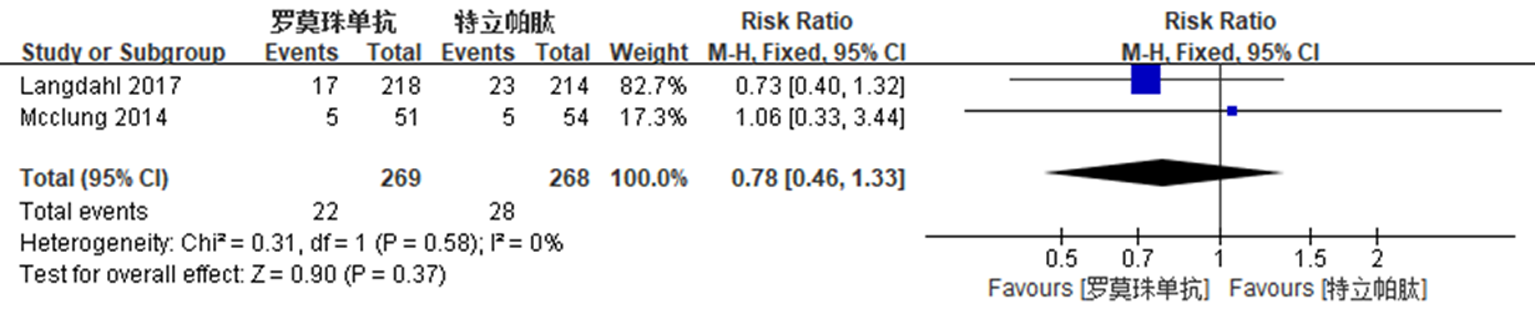
Fig.12 Meta-analysis of serious adverse event incidence in the romosozumab and teriparatide groups
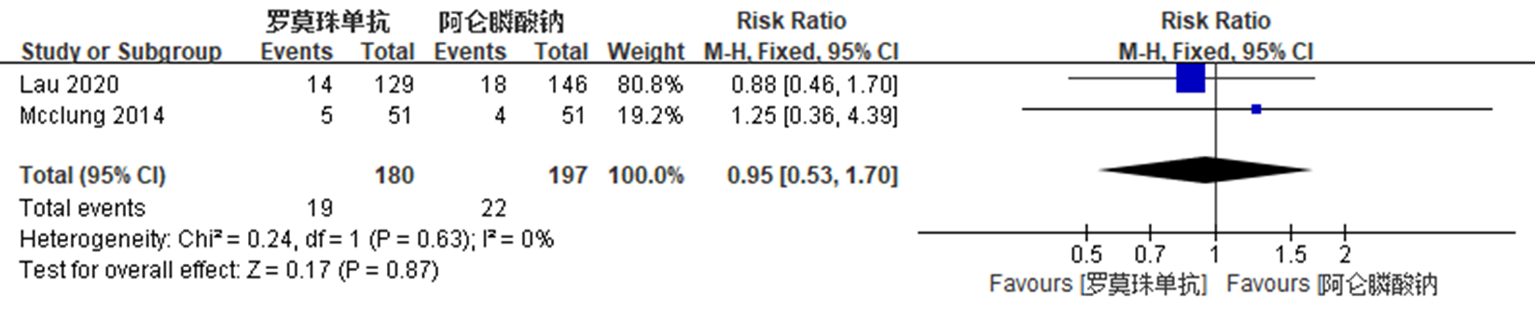
Fig.13 Meta-analysis of serious adverse event incidence in the romosozumab and alendronate groups
| 结局指标 | 随机效应模型 | 固定效应模型 | 去除权重大的研究 | 去除权重小的研究 | |||||||
|---|---|---|---|---|---|---|---|---|---|---|---|
| 腰椎骨密度 | 11.75[9.07, 14.42] | <0.01 | 9.47[9.11, 9.83] | <0.01 | 12.56[10.09, 15.03] | <0.01 | 10.71[8.45, 12.97] | <0.01 | |||
| 不良事件发生率 | 0.98[0.96, 0.99] | 0.004 | 0.97[0.96, 0.99] | 0.003 | 0.97[0.94, 0.99] | 0.005 | 0.97[0.96, 0.99] | 0.003 | |||
Tab. 2 Sensitivity analysis
| 结局指标 | 随机效应模型 | 固定效应模型 | 去除权重大的研究 | 去除权重小的研究 | |||||||
|---|---|---|---|---|---|---|---|---|---|---|---|
| 腰椎骨密度 | 11.75[9.07, 14.42] | <0.01 | 9.47[9.11, 9.83] | <0.01 | 12.56[10.09, 15.03] | <0.01 | 10.71[8.45, 12.97] | <0.01 | |||
| 不良事件发生率 | 0.98[0.96, 0.99] | 0.004 | 0.97[0.96, 0.99] | 0.003 | 0.97[0.94, 0.99] | 0.005 | 0.97[0.96, 0.99] | 0.003 | |||
| [1] | 中华医学会物理医学与康复学分会. 骨质疏松症康复治疗指南(2024版)[J]. 中国循证医学杂志, 2024, 24: 626-636.doi:10.7507/1672-2531.202403173. |
| [2] | Tian L, Yu X. Fat, Sugar, and bone health: A complex relationship[J]. Nutrients, 2017, 9(5): 506.doi:10.3390/nu9050506. |
| [3] | 黄彦钧, 黄诚, 沈砚主, 等. 罗莫佐单抗在骨质疏松症治疗中的应用[J]. 中华骨质疏松和骨矿盐疾病杂志, 2024, 17: 81-87.doi:10.3969/j.issn.1674-2591.2024.01.011. |
| [4] |
Lau E, Dinavahi R, Woo YC, et al. Romosozumab or alendronate for fracture prevention in East Asian patients: A subanalysis of the phase III, randomized ARCH study[J]. Osteoporos Int, 2020, 31(4): 677-685.doi:10.1007/s00198-020-05324-0.
pmid: 32047951 |
| [5] | Bente L, Lorenz CH, Serge F, et al. Romosozumab efficacy and safety in European patients enrolled in the FRAME trial[J]. Osteoporos Int, 2022, 33(12): 2527-2536.doi:10.1007/s00198-022-06544-2. |
| [6] | Cosman F, Crittenden DB, Adachi JD, et al. Romosozumab Treatment in Postmenopausal Women with Osteoporosis[J]. N Engl J Med, 2016, 375(16): 1532-1543.doi:10.1056/NEJMoa1607948. |
| [7] | Baek KH, Chung YS, Koh JM, et al. Romosozumab in Postmenopausal Korean Women with Osteoporosis: A Randomized, Double-Blind, Placebo-Controlled Efficacy and Safety Study[J]. Endocrinol Metab, 2021, 36(1): 60-69.doi:10.3803/EnM.2020.848. |
| [8] | Ishibashi H, Crittenden DB, Miyauchi A, et al. Romosozumab increases bone mineral density in postmenopausal Japanese women with osteoporosis: A phase 2 study[J]. Bone, 2017, 103(63): 209-215.doi:10.1016/j.bone.2017.07.005. |
| [9] | Mcclung MR, Grauer A, Boonen S, et al. Romosozumab in Postmenopausal Women with Low Bone Mineral Density[J]. N Engl J Med, 2014, 370(5): 412-420.doi:10.1056/NEJMoa1305224. |
| [10] | Padhi D, Allison M, Kivitz A, et al. Multiple doses of sclerostin antibody romosozumab in healthy men and postmenopausal women with low bone mass: A randomized, double-blind, placebo-controlled study[J]. J Clin Pharmacol, 2013, 54(2): 168-178.doi:10.1002/jcph.239. |
| [11] |
Lewiecki EM, Tomasz B, Stefan G, et al. A Phase III Randomized Placebo-Controlled Trial to Evaluate Efficacy and Safety of Romosozumab in Men With Osteoporosis[J]. J Clin Endocrinol Metab, 2018, 103(9): 3183-3193.doi:10.1210/jc.2017-02163.
pmid: 29931216 |
| [12] | Saag KG, Petersen J, Brandi ML, et al. Romosozumab or Alendronate for Fracture Prevention in Women with Osteoporosis[J]. N Engl J Med, 2017, 377(15): 1417-1427.doi:10.1056/NEJMoa1708322. |
| [13] | Padhi D, Jang G, Stouch B, et al. Single-dose, placebo-controlled, randomized study of AMG 785, a sclerostin monoclonal antibody[J]. J Bone Miner Res, 2010, 26(1): 19-26.doi:10.1002/jbmr.173. |
| [14] |
Langdahl B, Libanati C, Crittenden DB, et al. Romosozumab (sclerostin monoclonal antibody) versus teriparatide in postmenopausal women with osteoporosis transitioning from oral bisphosphonate therapy: A randomised, open-label, phase 3 trial[J]. Lancet, 2017, 390(10102): 1585-1594.doi:10.1016/S0140-6736(17)31613-6.
pmid: 28755782 |
| [15] | U.S. Food and Drug Administration. (2019, April 9). FDA approves EVENITYTM (romosozumab-aqqg) for the treatment of osteoporosis in postmenopausal women at high risk for fracture[EB/OL]. https://www.multivu.com/players/English/8490251-amgen-evenity-postmenopausal-osteoporosis/,2025-11-30. |
| [16] |
Canalis E. Wnt signalling in osteoporosis: Mechanisms and novel therapeutic approaches[J]. Nat Rev Endocrinol, 2013, 9(10): 575-583.doi:10.1038/nrendo.2013.154.
pmid: 23938284 |
| [17] | Michael SO, Qing-Tian N, Chaoyang L, et al. Tissue-level mechanisms responsible for the increase in bone formation and bone volume by sclerostin antibody[J]. J Bone Miner Res, 2013, 29(6): 1424-1430.doi:10.1002/jbmr.2152. |
| [18] |
Ke HZ, Richards WG, Li X, et al. Sclerostin and dickkopf-1 as therapeutic targets in bone diseases[J]. Endocr Rev, 2012, 33(5): 747-783.doi:10.1210/er.2011-1060.
pmid: 22723594 |
| [19] | Cristiano AFZ, Vera Lúcia S, Abergaria BH, et al. Incidence of hip fracture in Brazil and the development of a FRAX model[J]. Arch Osteoporos, 2015, 10(1): 11657.doi:10.1007/s11657-015-0224-5. |
| [20] |
Cosman F, Crittenden DB, Ferrari S, et al. FRAME study: The foundation effect of building bone with 1 year of romosozumab leads to continued lower fracture risk after transition to denosumab[J]. J Bone Miner Res, 2018, 33(7): 1219-1226.doi:10.1002/jbmr.3427.
pmid: 29573473 |
| [21] | Kim DH, Rogers JR, Fulchino LA, et al. Bisphosphonates and risk of cardiovascular events: A meta-analysis[J]. PLoS One, 2015, 10(4): 1-13.doi:10.1371/journal.pone.0122646. |
| [22] | Miyauchi A, Dinavahi R, Crittenden DB, et al. Increased bone mineral density for 1year of romosozumab, vs placebo, followed by 2years of denosumab in the Japanese subgroup of the pivotal FRAME trial and extension[J]. Arch Osteoporos, 2019, 14(1): 1-13.doi:10.1007/s11657-019-0608-z. |
| Viewed | ||||||
|
Full text |
|
|||||
|
Abstract |
|
|||||