Clinical Focus ›› 2026, Vol. 41 ›› Issue (9): 787-793.doi: 10.3969/j.issn.1004-583X.2026.09.002
Previous Articles Next Articles
Comparison of the predictive performance of multivariable logistic regression and XGBoost models for 30-day readmission risk in patients with chronic heart failure
Sui Guoxin( ), Zheng Mingxiu, Li Huidan, Zhao Jinming, Zhao Honglin
Ward 3 ,Department of Cardiovascular Medicine, Xinxiang First People's Hospital Xinxiang 453000, China
-
Received:2026-06-01Online:2026-09-20Published:2026-09-17 -
Contact:Sui Guoxin E-mail:16637326082@163.com

CLC Number:
Cite this article
Sui Guoxin, Zheng Mingxiu, Li Huidan, Zhao Jinming, Zhao Honglin. Comparison of the predictive performance of multivariable logistic regression and XGBoost models for 30-day readmission risk in patients with chronic heart failure[J]. Clinical Focus, 2026, 41(9): 787-793.
share this article
Add to citation manager EndNote|Ris|BibTeX
URL: https://www.lchc.cn/EN/10.3969/j.issn.1004-583X.2026.09.002
| 组别 | 例数 | 性别[例(%)] | 年龄 (岁) | BMI (kg/m2) | 合并症[例(%)] | ||||||||||||||||
|---|---|---|---|---|---|---|---|---|---|---|---|---|---|---|---|---|---|---|---|---|---|
| 男 | 女 | 高血压 | 糖尿病 | 心房颤动 | |||||||||||||||||
| 再入院组 | 62 | 32(51.6) | 30(48.4) | 72.19±8.02 | 22.27±2.30 | 45(72.6) | 27(43.6) | 25(40.3) | |||||||||||||
| 非再入院组 | 226 | 131(58.0) | 95(42.0) | 65.21±8.53 | 22.52±2.26 | 153(67.7) | 85(37.6) | 78(34.5) | |||||||||||||
| t/χ2值 | 0.799 | 5.780 | 0.769 | 0.540 | 0.722 | 0.715 | |||||||||||||||
| P值 | 0.371 | <0.01 | 0.443 | 0.463 | 0.396 | 0.398 | |||||||||||||||
| 组别 | NYHA分级[例(%)] | LVEF (%) | LVEDD (mm) | NT-proBNP (ng/L) | 血钠 (mmol/L) | eGFR [ml/(min·1.73 m2)] | |||||||||||||||
| Ⅱ级 | Ⅲ~Ⅳ级 | ||||||||||||||||||||
| 再入院组 | 10(16.1) | 52(83.9) | 35.56±8.12 | 59.52±9.45 | 4056.74±532.18 | 136.20±4.55 | 57.89±9.01 | ||||||||||||||
| 非再入院组 | 91(40.3) | 135(59.7) | 43.45±9.23 | 58.01±8.75 | 3445.39±423.57 | 139.81±3.87 | 67.45±11.33 | ||||||||||||||
| t/χ2值 | 12.447 | 6.112 | 1.183 | 9.498 | 6.256 | 6.131 | |||||||||||||||
| P值 | <0.01 | <0.01 | 0.238 | <0.01 | <0.01 | <0.01 | |||||||||||||||
| 组别 | Hb (g/L) | 住院时长 (d) | 出院后不规范服药[例(%)] | 出院用β受体阻滞剂[例(%)] | |||||||||||||||||
| 是 | 否 | 是 | 否 | ||||||||||||||||||
| 再入院组 | 122.98±19.12 | 11.82±2.01 | 29(46.8) | 33(53.2) | 54(87.1) | 8(12.9) | |||||||||||||||
| 非再入院组 | 126.01±17.89 | 9.71±1.89 | 60(26.6) | 166(73.4) | 206(91.1) | 20(8.9) | |||||||||||||||
| t/χ2值 | 1.164 | 7.681 | 9.321 | 0.911 | |||||||||||||||||
| P值 | 0.246 | <0.01 | 0.002 | 0.340 | |||||||||||||||||
Tab.1 Univariate analysis of 30-day post-discharge readmission in patients with CHF
| 组别 | 例数 | 性别[例(%)] | 年龄 (岁) | BMI (kg/m2) | 合并症[例(%)] | ||||||||||||||||
|---|---|---|---|---|---|---|---|---|---|---|---|---|---|---|---|---|---|---|---|---|---|
| 男 | 女 | 高血压 | 糖尿病 | 心房颤动 | |||||||||||||||||
| 再入院组 | 62 | 32(51.6) | 30(48.4) | 72.19±8.02 | 22.27±2.30 | 45(72.6) | 27(43.6) | 25(40.3) | |||||||||||||
| 非再入院组 | 226 | 131(58.0) | 95(42.0) | 65.21±8.53 | 22.52±2.26 | 153(67.7) | 85(37.6) | 78(34.5) | |||||||||||||
| t/χ2值 | 0.799 | 5.780 | 0.769 | 0.540 | 0.722 | 0.715 | |||||||||||||||
| P值 | 0.371 | <0.01 | 0.443 | 0.463 | 0.396 | 0.398 | |||||||||||||||
| 组别 | NYHA分级[例(%)] | LVEF (%) | LVEDD (mm) | NT-proBNP (ng/L) | 血钠 (mmol/L) | eGFR [ml/(min·1.73 m2)] | |||||||||||||||
| Ⅱ级 | Ⅲ~Ⅳ级 | ||||||||||||||||||||
| 再入院组 | 10(16.1) | 52(83.9) | 35.56±8.12 | 59.52±9.45 | 4056.74±532.18 | 136.20±4.55 | 57.89±9.01 | ||||||||||||||
| 非再入院组 | 91(40.3) | 135(59.7) | 43.45±9.23 | 58.01±8.75 | 3445.39±423.57 | 139.81±3.87 | 67.45±11.33 | ||||||||||||||
| t/χ2值 | 12.447 | 6.112 | 1.183 | 9.498 | 6.256 | 6.131 | |||||||||||||||
| P值 | <0.01 | <0.01 | 0.238 | <0.01 | <0.01 | <0.01 | |||||||||||||||
| 组别 | Hb (g/L) | 住院时长 (d) | 出院后不规范服药[例(%)] | 出院用β受体阻滞剂[例(%)] | |||||||||||||||||
| 是 | 否 | 是 | 否 | ||||||||||||||||||
| 再入院组 | 122.98±19.12 | 11.82±2.01 | 29(46.8) | 33(53.2) | 54(87.1) | 8(12.9) | |||||||||||||||
| 非再入院组 | 126.01±17.89 | 9.71±1.89 | 60(26.6) | 166(73.4) | 206(91.1) | 20(8.9) | |||||||||||||||
| t/χ2值 | 1.164 | 7.681 | 9.321 | 0.911 | |||||||||||||||||
| P值 | 0.246 | <0.01 | 0.002 | 0.340 | |||||||||||||||||
| 因素 | 回归系数 | 标准误 | Waldχ2值 | P值 | OR值 | 95%CI | |
|---|---|---|---|---|---|---|---|
| 下限 | 上限 | ||||||
| 年龄 | 0.099 | 0.033 | 8.764 | 0.003 | 1.104 | 1.034 | 1.179 |
| NT-proBNP | 0.854 | 0.244 | 12.256 | <0.01 | 2.348 | 1.456 | 3.786 |
| 血钠 | -0.173 | 0.057 | 9.207 | 0.002 | 0.841 | 0.752 | 0.941 |
| 出院后不规范服药 | 1.551 | 0.418 | 13.761 | <0.01 | 4.715 | 2.078 | 10.698 |
| 常量 | -2.874 | 0.521 | 30.412 | <0.01 | 0.056 | - | - |
Tab.2 Multivariable logistic regression analysis of 30-day post-discharge readmission in patients with CHF
| 因素 | 回归系数 | 标准误 | Waldχ2值 | P值 | OR值 | 95%CI | |
|---|---|---|---|---|---|---|---|
| 下限 | 上限 | ||||||
| 年龄 | 0.099 | 0.033 | 8.764 | 0.003 | 1.104 | 1.034 | 1.179 |
| NT-proBNP | 0.854 | 0.244 | 12.256 | <0.01 | 2.348 | 1.456 | 3.786 |
| 血钠 | -0.173 | 0.057 | 9.207 | 0.002 | 0.841 | 0.752 | 0.941 |
| 出院后不规范服药 | 1.551 | 0.418 | 13.761 | <0.01 | 4.715 | 2.078 | 10.698 |
| 常量 | -2.874 | 0.521 | 30.412 | <0.01 | 0.056 | - | - |
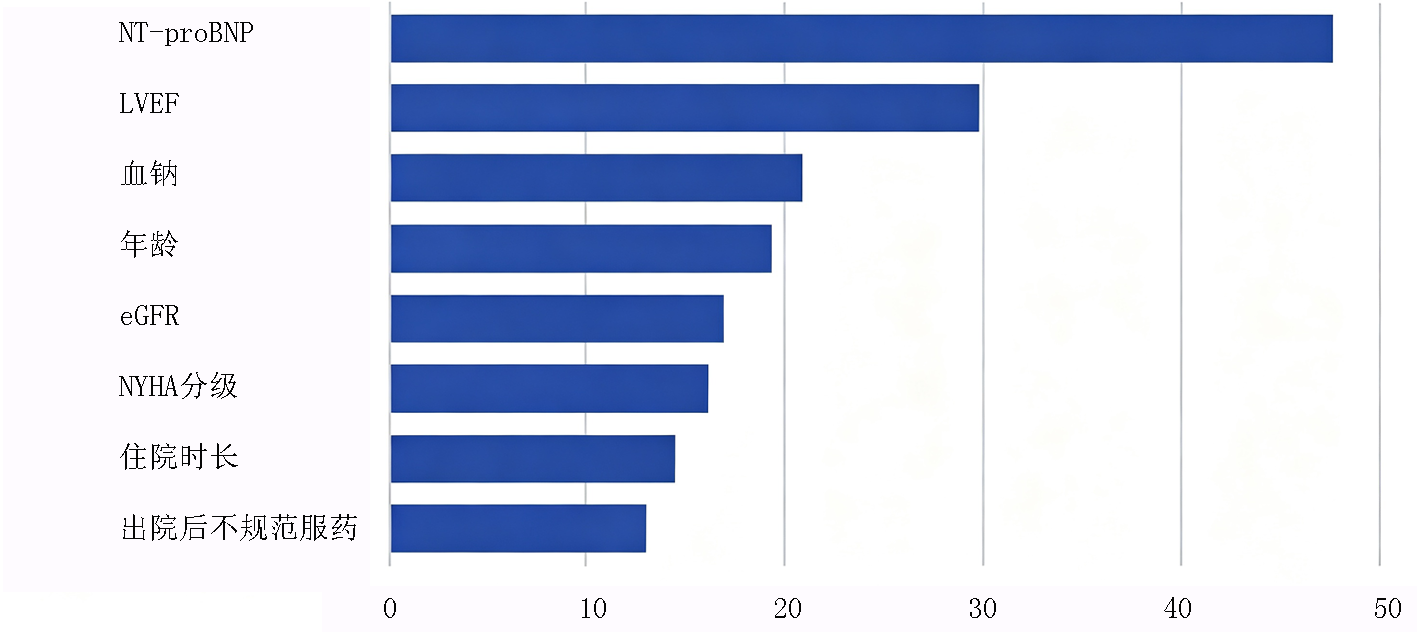
Fig.1 Ranking of variable importance in the XGBoost model
| 指标 | AUC(95%CI) | 准确性 (%) | 敏感度 (%) | 特异度 (%) | 阳性预测值 (%) | 阴性预测值 (%) | F1分值 |
|---|---|---|---|---|---|---|---|
| logistic回归模型 | 0.793(0.721,0.854) | 76.74 | 80.00 | 76.06 | 52.38 | 92.19 | 0.614 |
| XGBoost模型 | 0.886(0.824,0.931) | 82.56 | 73.33 | 85.92 | 63.16 | 90.91 | 0.685 |
Tab.3 Analysis of the predictive performance of the two models
| 指标 | AUC(95%CI) | 准确性 (%) | 敏感度 (%) | 特异度 (%) | 阳性预测值 (%) | 阴性预测值 (%) | F1分值 |
|---|---|---|---|---|---|---|---|
| logistic回归模型 | 0.793(0.721,0.854) | 76.74 | 80.00 | 76.06 | 52.38 | 92.19 | 0.614 |
| XGBoost模型 | 0.886(0.824,0.931) | 82.56 | 73.33 | 85.92 | 63.16 | 90.91 | 0.685 |
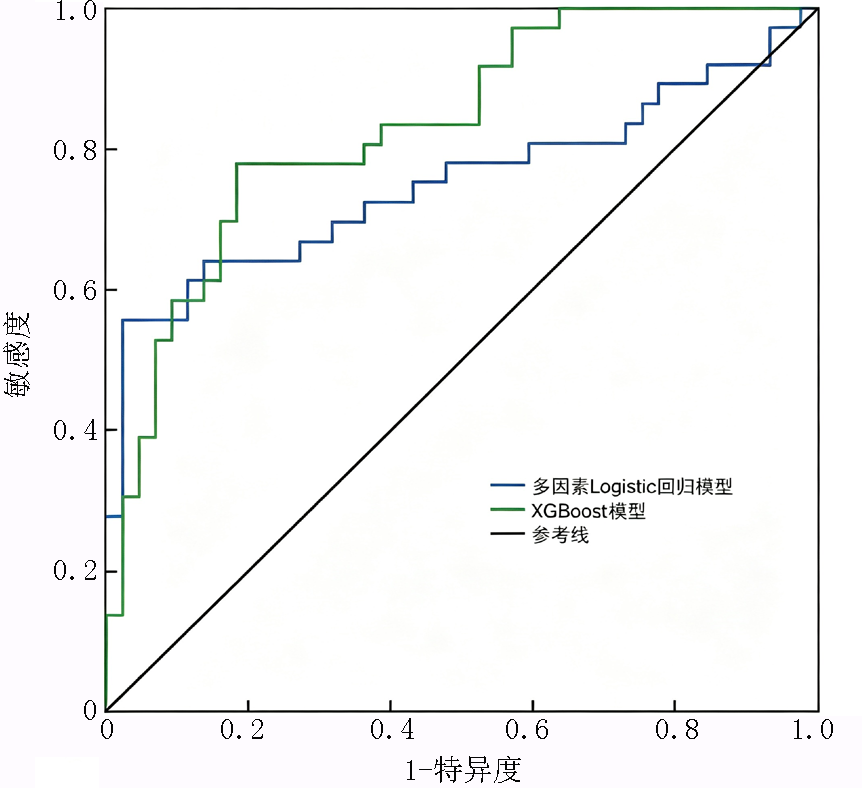
Fig.2 ROC curves of the multivariable logistic regression model and the XGBoost model
| [1] | 唐荣欣, 张岩, 刘姝, 等. 基于COSMIN指南的中文版慢性心力衰竭患者自我管理评估工具的系统评价[J]. 中国循证心血管医学杂志, 2026, 18(2):140-144.doi:10.3969/j.issn.1674-4055.2026.02.003. |
| [2] |
Jung S, Bosch A, Kolwelter J, et al. Renal and intraglomerular haemodynamics in chronic heart failure with preserved and reduced ejection fraction[J]. ESC Heart Fail, 2021, 8(2):1562-1570.doi: 10.1002/ehf2.13257.Epub2021Feb9.
pmid: 33559346 |
| [3] |
Turrise S, Hadley N, Phillips-Kuhn D, et al. A snapshot of patient experience of illness control after a hospital readmission in adults with chronic heart failure[J]. BMC Nurs, 2023, 22(1):75.doi: 10.1186/s12912-023-01231-x.
pmid: 36941635 |
| [4] | 王金琳, 郭文昀, 赵丽. 老年慢性心力衰竭患者6个月内再住院风险的Logistic回归分析[J]. 中国病案, 2023, 24(3):59-63.doi:10.3969/j.issn.1672-2566.2023.03.020. |
| [5] | 张迎, 刘珍珍. 基于Logistic回归模型研究不同实验室指标在慢性心力衰竭预后评价中的作用[J]. 心脑血管病防治, 2023, 23(10):45-47.doi:10.3969/j.issn.1009-816x.2023.10.010. |
| [6] | Noor S, Alqahtani SA, Khan S. XGBoost-Liver: An intelligent integrated features approach for classifying liver diseases using ensemble xgboost training model[J]. Comput Materi Cont, 2025, 83(1):1435-1450.doi:10.32604/cmc.2025.061700. |
| [7] | 中国医师协会心血管内科医师分会心力衰竭学组,中国心衰中心联盟专家委员会. 中国心力衰竭诊断与治疗质量评价和控制指标专家共识[J]. 中国医学前沿杂志(电子版), 2021, 13(3):52-62.doi:10.12037/YXQY.2021.03-09. |
| [8] |
Greene S, Butler J, Spertus J, et al. Comparison of New York heart association class and patient-reported outcomes for heart failure with reduced ejection fraction[J]. JAMA Cardiol, 2021, 6(5):522-531.doi:10.1001/jamacardio.2021.0372.
pmid: 33760037 |
| [9] | 中国医疗保健国际交流促进会循证医学分会, 海峡两岸医药卫生交流协会老年医学专业委员会. 心力衰竭生物标志物中国专家共识[J]. 中华检验医学杂志, 2020, 43(2):130-141.doi:10.3760/cma.j.issn.1009-9158.2020.02.007. |
| [10] | 中华医学会, 中华医学会临床药学分会, 中华医学会杂志社, 等. 慢性心力衰竭基层合理用药指南[J]. 中华全科医师杂志, 2021, 20(1):42-49.doi:10.3760/cma.j.cn114798-20201118-01166. |
| [11] |
Currin S, Gondwe M, Mayindi N, et al. Evaluating chronic kidney disease in rural South Africa: Comparing estimated glomerular filtration rate using point-of-care creatinine to iohexol measured GFR[J]. Clin Chem Lab Med, 2021, 59(8):1409-1420.doi:10.1515/cclm-2020-1882.
pmid: 33711217 |
| [12] | Butt Jawad H, Fosbol Emil L, Gerds Thomas A, et al. Readmission and death in patients admitted with new-onset versus worsening of chronic heart failure: Insights from a nationwide cohort[J]. Eur J Heart Fail, 2020, 22(10):1777-1785.doi: 10.1002/ejhf.1800.Epub2020 Mar 30. |
| [13] | 吉苗苗, 李传波, 王玥焜, 等. 两种模型预测老年慢性心力衰竭合并下呼吸道感染患者血栓形成风险的价值[J]. 中华老年心脑血管病杂志, 2025, 27(7):890-894.doi:10.3969/j.issn.1009-0126.2025.07.013. |
| [14] | 贾婉茹, 项欣, 王璐, 等. 慢性心力衰竭患者临床特征及心血管不良事件的危险因素分析[J]. 中国循证心血管医学杂志, 2024, 16(3):304-306.doi:10.3969/j.issn.1674-4055.2024.03.12. |
| [15] | 盛松, 黄烨. 心力衰竭病人90 d内再入院的交互式列线图模型建立与验证[J]. 中西医结合心脑血管病杂志, 2023, 21(16):2909-2915.doi:10.12102/j.issn.1672-1349.2023.16.002. |
| [16] |
Ye L, Xu A, Huang J, et al. Purine xanthine oxidase inhibitors are not conducive to the prognosis of chronic heart failure: A meta-analysis[J]. Eur J Clin Pharmacol, 2025, 81(7):1069-1079.doi:10.1007/s00228-025-03848-0.
pmid: 40346314 |
| [17] | 李雨濛, 胡元会, 商秀洋, 等. 不同肾功能评价指标对慢性心力衰竭患者远期预后的预测价值[J]. 中国循证心血管医学杂志, 2020, 12(7):816-819.doi:10.3969/j.issn.1674-4055.2020.07.10. |
| [18] | 张婷婷, 张燕, 杨智清, 等. 探究居家慢性心力衰竭患者出入量监测纵向情况与预后的关系[J]. 护士进修杂志, 2024, 39(13):1350-1354.doi:10.16821/j.cnki.hsjx.2024.13.002. |
| [19] |
Ma B, Zhao M, Guo Z, et al. Research on the correlation between plasma BNP and the condition and prognosis of chronic heart failure[J]. Cell Mol Biol (Noisy-le-grand), 2022, 67(6):274-280.doi:10.14715/cmb/2021.67.6.36.
pmid: 35818186 |
| [20] | Kim SE, Cho DH, Son JW, et al. Impact of NT-proBNP on prognosis of acute decompensated chronic heart failure versus de novo heart failure[J]. Int J Cardiol, 2022, 363(15):163-170.doi: 10.1016/j.ijcard.2022.06.055.Epub2022Jun23. |
| [21] | 沈欢欢, 刘蕾, 许左隽, 等. 不同临床特点CHF患者甲状腺激素水平及其与心功能指标的相关性研究[J]. 心血管康复医学杂志, 2024, 33(2):131-136.doi:10.3969/j.issn.1008-0074.2024.02.03. |
| [22] | 贾盈盈, 胡欢婷, 胡婧妮, 等. 中国慢性心力衰竭患者预后预测模型的系统评价[J]. 中国胸心血管外科临床杂志, 2024, 31(11):1645-1654.doi:10.15921/j.cnki.cyxb.2023.04.018. |
| [23] | Ullman LS, Beaudry PN, Caldato Barsotti G, et al. eGFR variability in heart failure patients with cardioMEMS monitoring: SA-PO338[J]. J Americ Soci Nephrol, 2024, 35(10s):6-10.doi:10.1681/ASN.2024wswzg8bh. |
| [24] |
Dini FL, Ballo P, Pugliese NR, et al. Improved diastolic dysfunction is associated with higher forward flow and better prognosis in chronic heart failure[J]. Int J Cardiovasc Imaging, 2021, 38(4):727-737.doi: 10.1007/s10554-021-02457-z.Epub2021 Nov 2.
pmid: 34727251 |
| [25] | Larsson A, Berg J, Gellerfors M, et al. The advanced machine learner XGBoost did not reduce prehospital trauma mistriage compared with logistic regression: A simulation study[J]. BMC Med Inform Decis Mak, 2021, 21(1):192.doi: 10.1186/s12911-021-01558-y. |
| Viewed | ||||||
|
Full text |
|
|||||
|
Abstract |
|
|||||