Clinical Focus ›› 2026, Vol. 41 ›› Issue (1): 24-32.doi: 10.3969/j.issn.1004-583X.2026.01.004
• Original article • Previous Articles Next Articles
Exploring the association between diabetes mellitus and peripheral arterial atherosclerosis using Mendelian randomization and bioinformatics: Identification of key genes and pathways
Sun Mengmeng, Zhang Zhigong( )
)
Department of Vascular Surgery ,the First Affiliated Hospital of Anhui Medical University Hefei 230000, China
-
Received:2025-11-19Online:2026-01-20Published:2026-02-02 -
Contact:Zhang Zhigong E-mail:zzgvascular@163.com

CLC Number:
Cite this article
Sun Mengmeng, Zhang Zhigong. Exploring the association between diabetes mellitus and peripheral arterial atherosclerosis using Mendelian randomization and bioinformatics: Identification of key genes and pathways[J]. Clinical Focus, 2026, 41(1): 24-32.
share this article
Add to citation manager EndNote|Ris|BibTeX
URL: https://www.lchc.cn/EN/10.3969/j.issn.1004-583X.2026.01.004
| 方法 | SNP数量 | β值 | P值 | OR (95%CI) |
|---|---|---|---|---|
| MR Egger | 55 | 0.324210 | 2.35E-05 | 1.383(1.206~1.586) |
| WME | 55 | 0.377333 | 2.06E-14 | 1.458(1.324~1.606) |
| IVW | 55 | 0.345530 | 8.56E-22 | 1.413(1.316~1.516) |
| Simple mode | 55 | 0.408145 | 2.39E-04 | 1.504(1.227~1.843) |
| Weighted mode | 55 | 0.388335 | 3.68E-08 | 1.475(1.309~1.660) |
Tab.1 Two-sample MR analysis results
| 方法 | SNP数量 | β值 | P值 | OR (95%CI) |
|---|---|---|---|---|
| MR Egger | 55 | 0.324210 | 2.35E-05 | 1.383(1.206~1.586) |
| WME | 55 | 0.377333 | 2.06E-14 | 1.458(1.324~1.606) |
| IVW | 55 | 0.345530 | 8.56E-22 | 1.413(1.316~1.516) |
| Simple mode | 55 | 0.408145 | 2.39E-04 | 1.504(1.227~1.843) |
| Weighted mode | 55 | 0.388335 | 3.68E-08 | 1.475(1.309~1.660) |
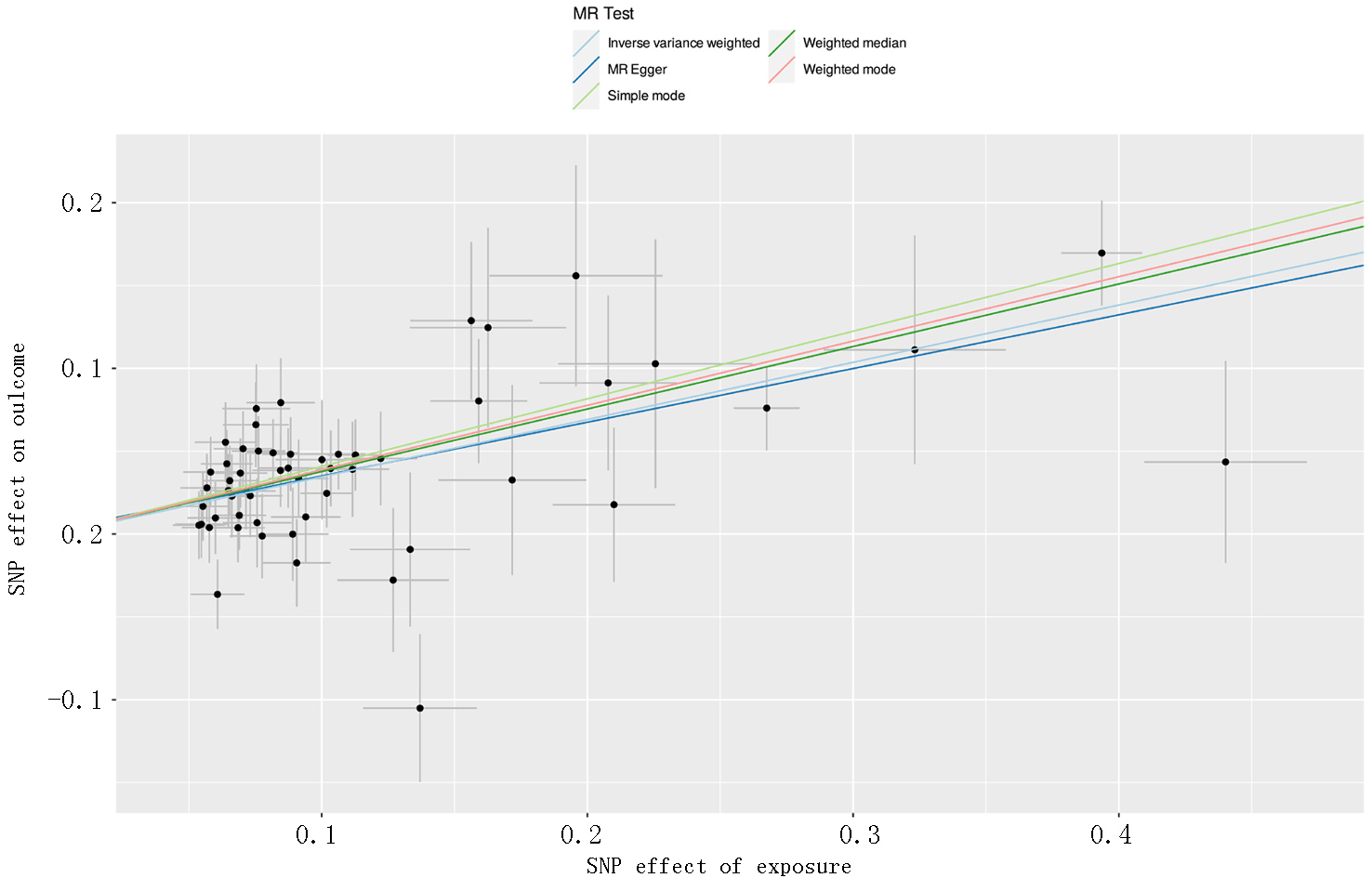
Fig.1 Scatter plot of two-sample MR analysis results
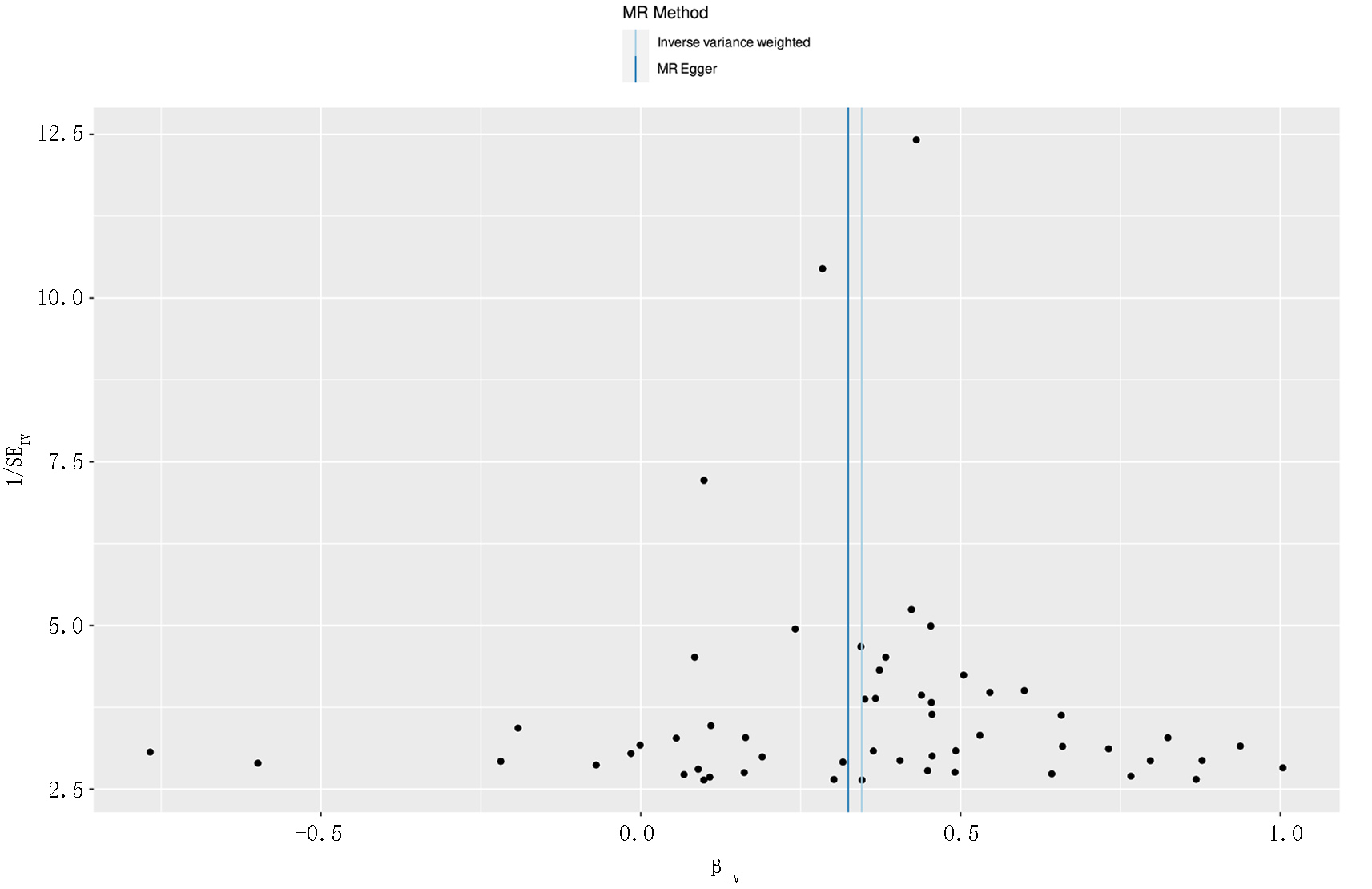
Fig.2 Funnel plot of two-sample MR analysis results
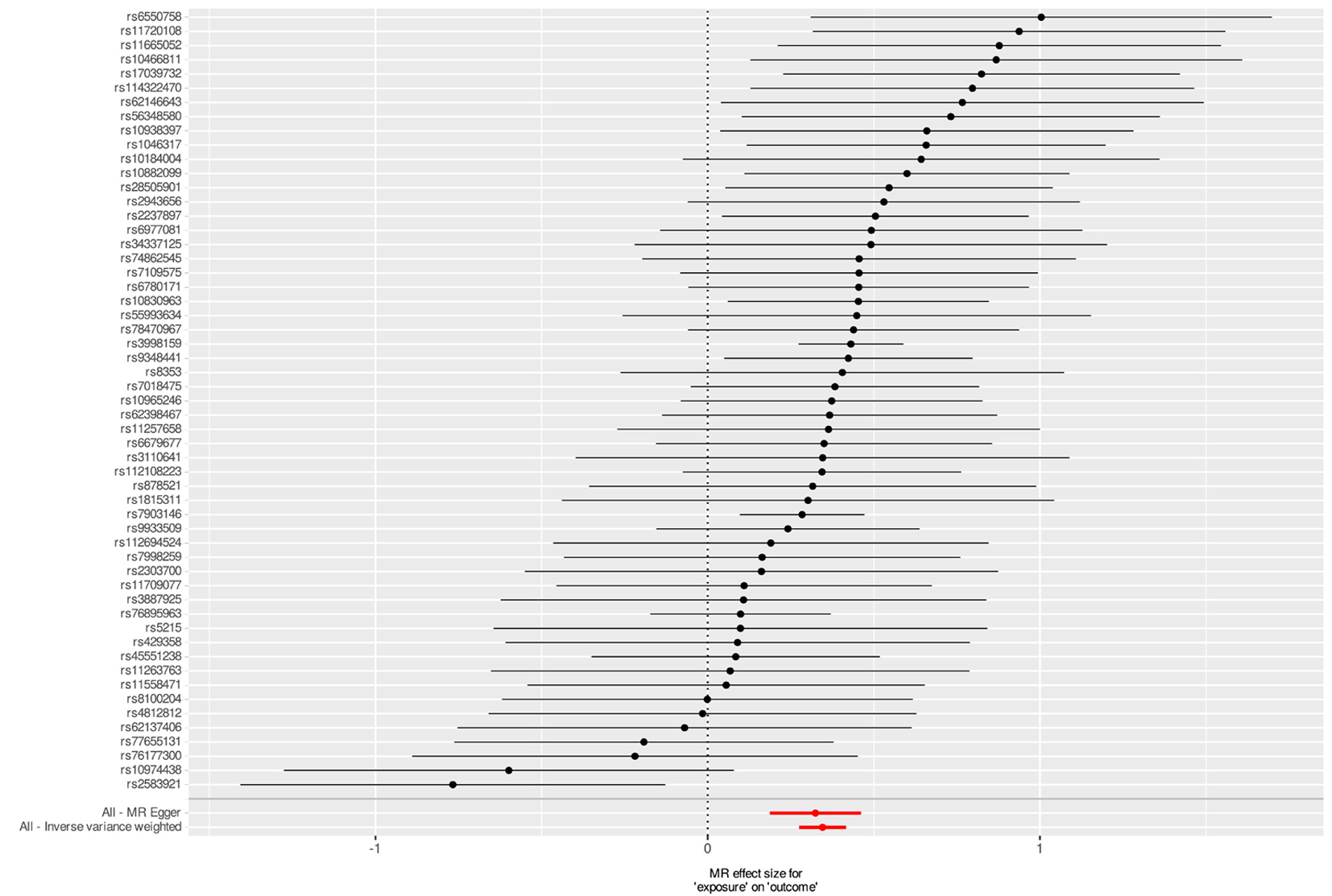
Fig.3 Forest plot of the effect of individual SNPs on the association between DM and peripheral atherosclerosis
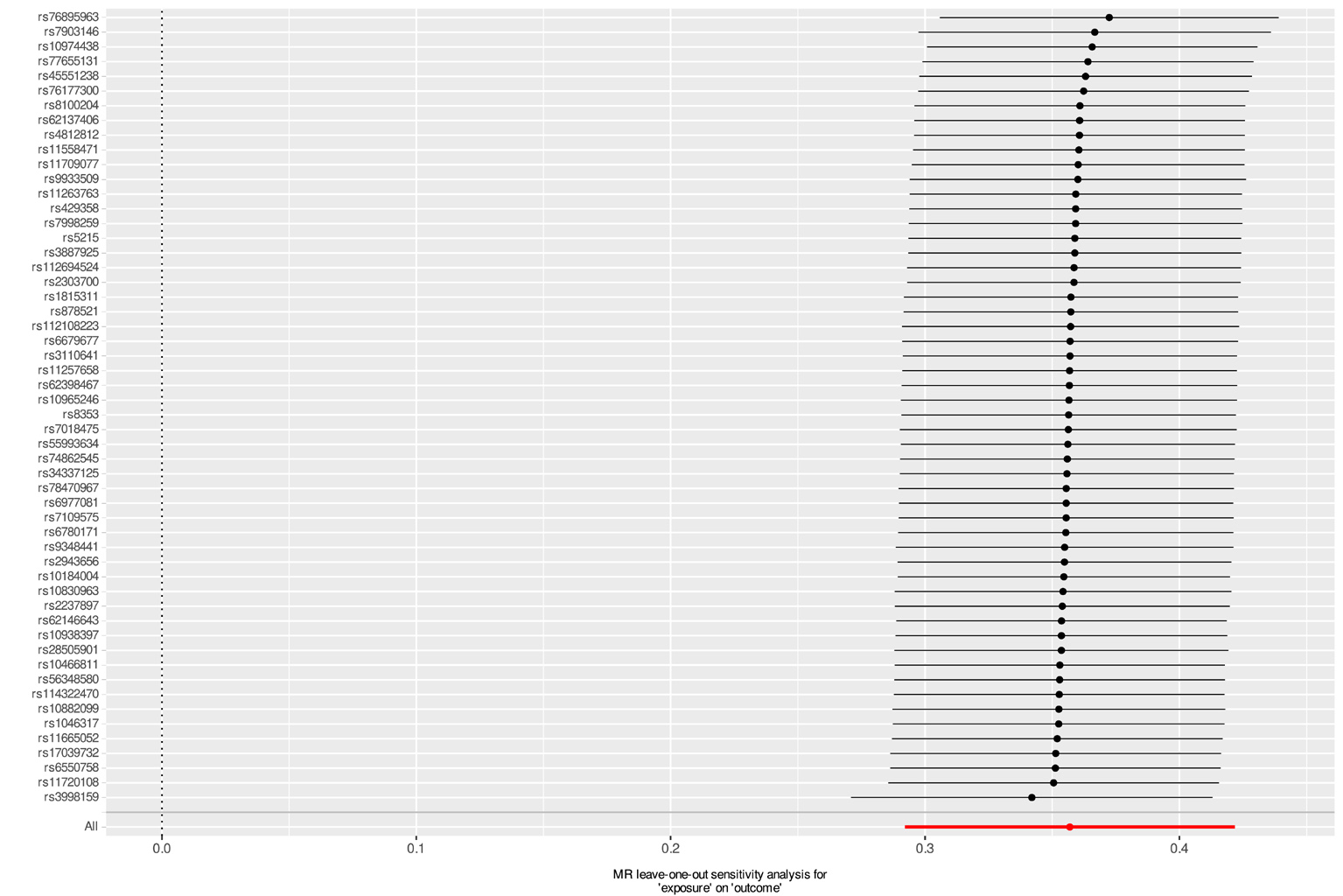
Fig.4 Leave-one-out sensitivity analysis for SNPs
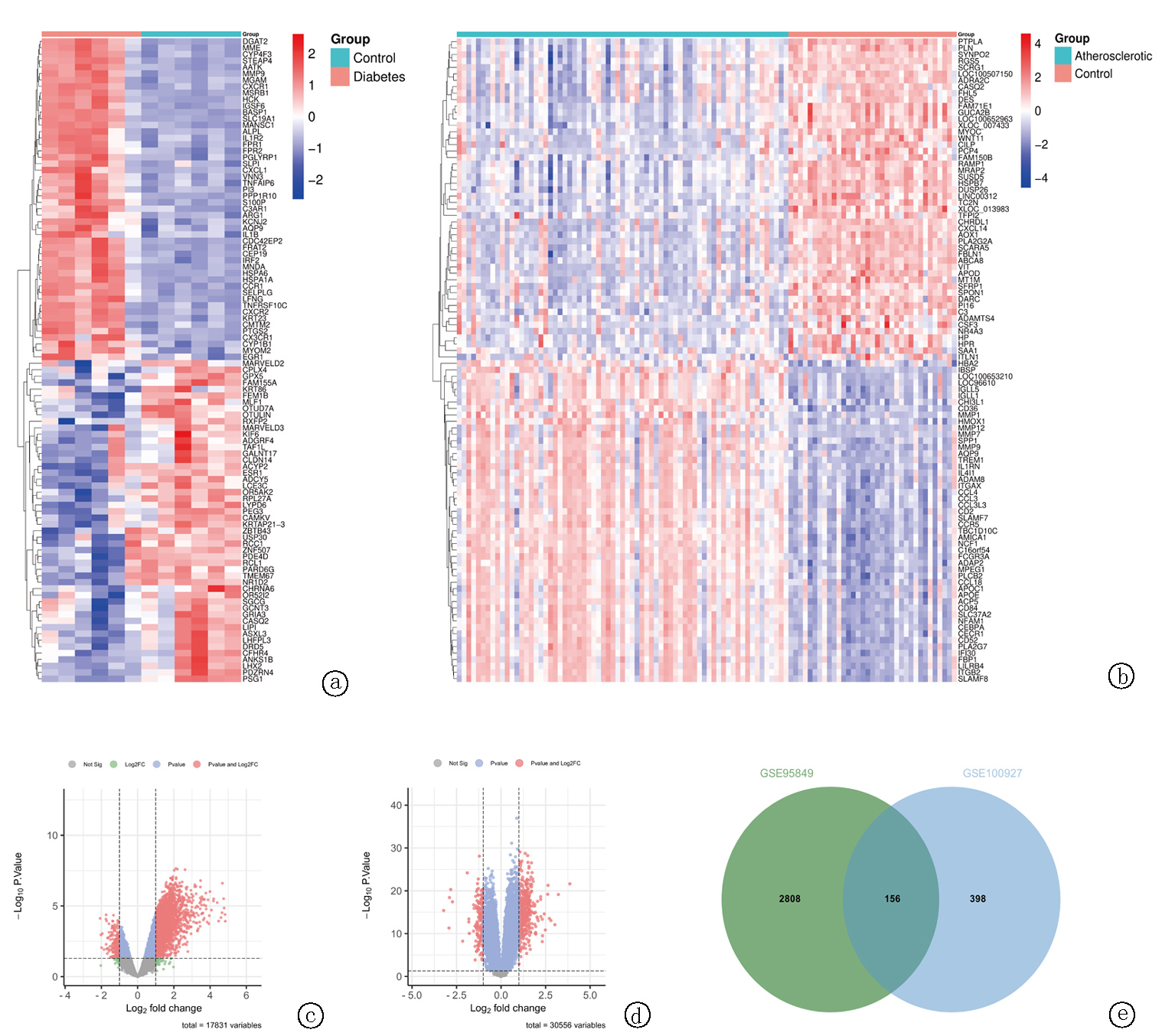
Fig.5 Screening and intersection analysis of DEGs in GSE95849 and GSE100927 datasets a. Heatmap showing the top 100 most significantly DEGs between DM patients and control samples in the GSE95849 dataset; b. Heatmap showing the top 100 most significantly DEGs between peripheral atherosclerosis patients and control samples in the GSE100927 dataset; c. Volcano plot displaying DEGs in the GSE95849 dataset; d. Volcano plot displaying DEGs in the GSE100927 dataset; e. Venn diagram of DEGs overlapping between the GSE95849 and GSE100927 datasets
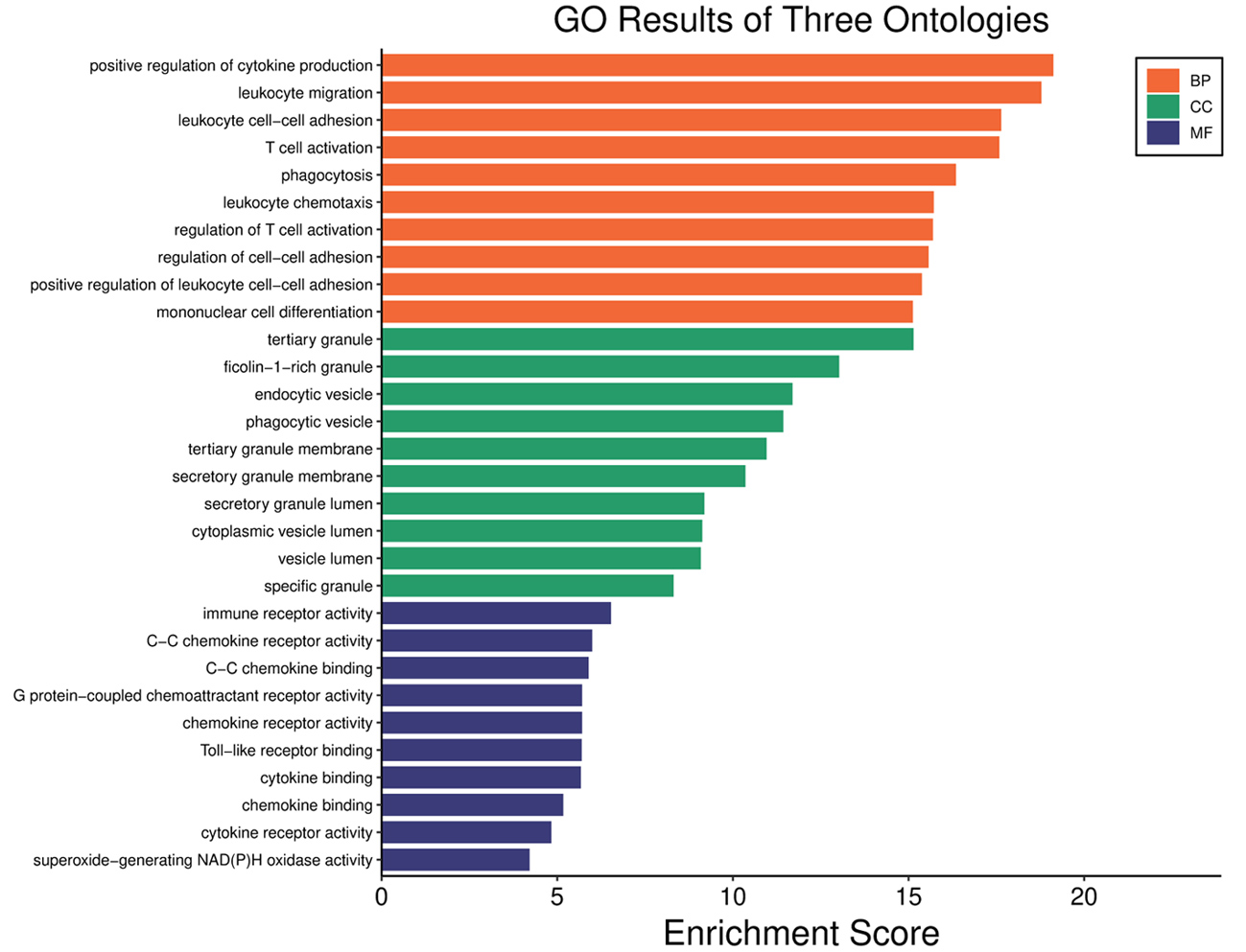
Fig.6 GO enrichment analysis
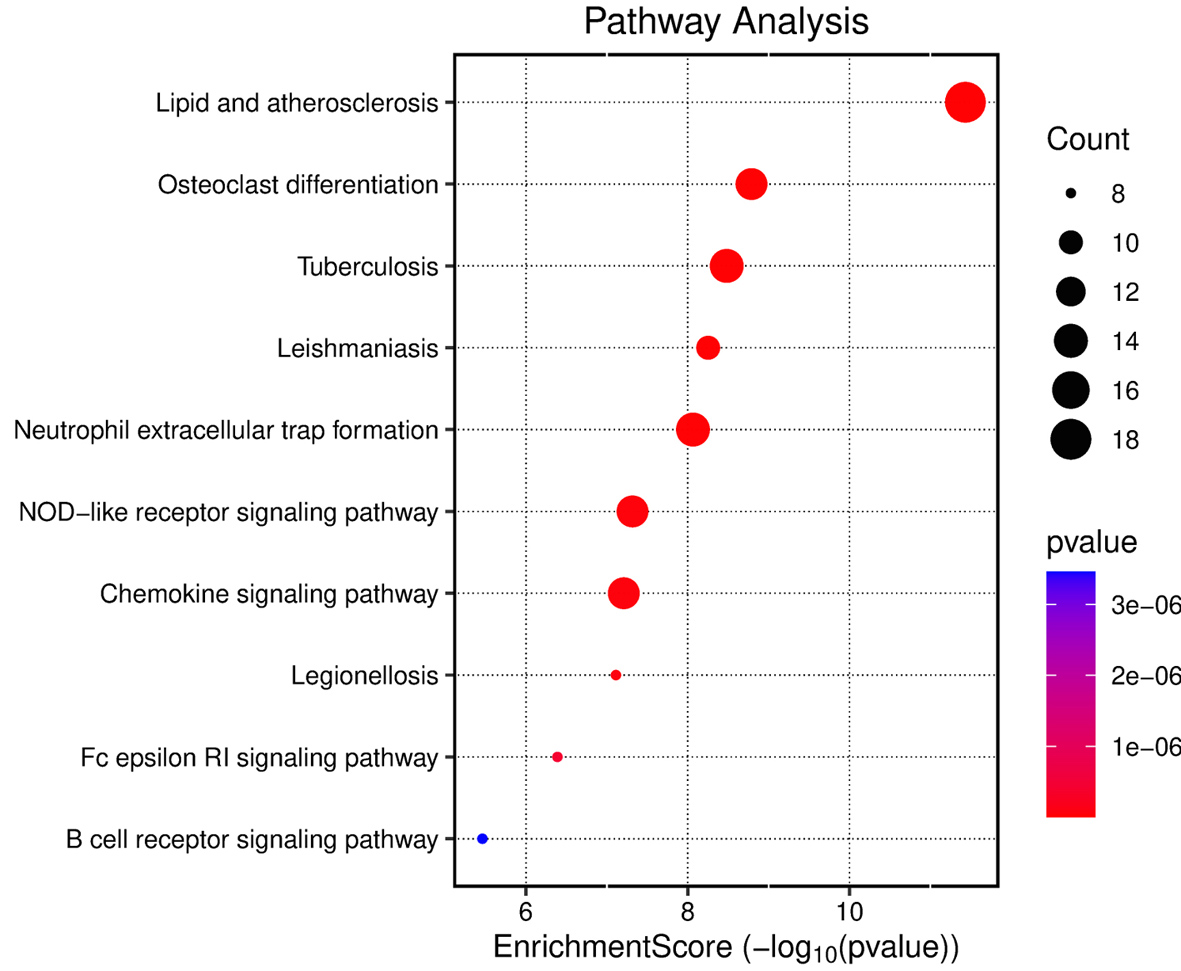
Fig.7 KEGG pathway enrichment analysis
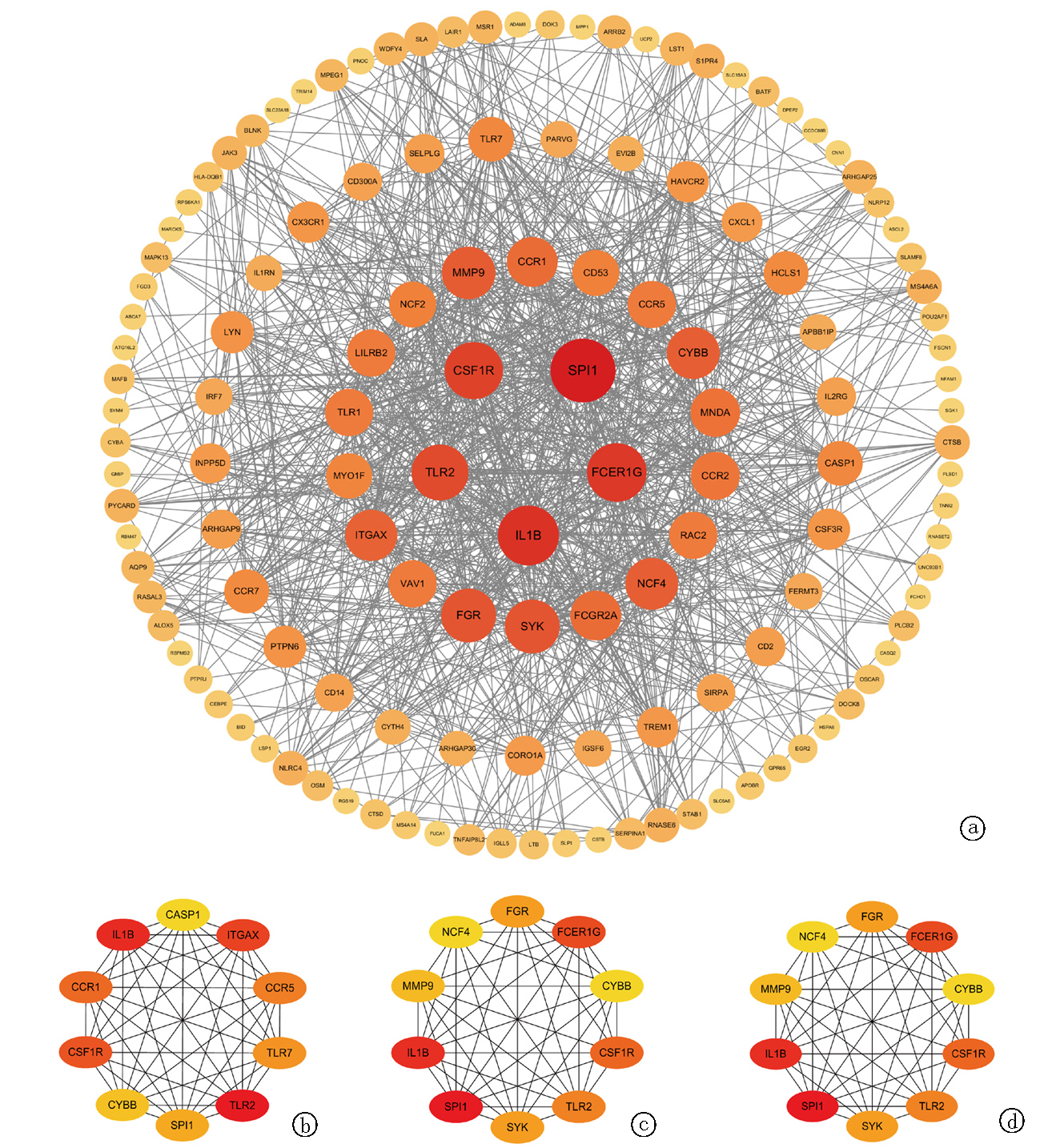
Fig.8 Construction of the DEGs protein-protein interaction network and core-target networks identified by multiple algorithms a. PPI network of DEGs; b. Core-target network constructed using the MCC (maximum clique centrality) algorithm; c. Core-target network constructed using the Degree algorithm; d. Core-target network constructed using the MNC (maximum neighborhood component) algorithm
| [1] | Zhou YC, Liu JM, Zhao ZP, et al. The national and provincial prevalence and non-fatal burdens of diabetes in China from 2005 to 2023 with projections of prevalence to 2050[J]. Mil Med Res, 2025, 12(1): 28.doi:10.1186/s40779-025-00615-1. |
| [2] | Rosana M, Yunir E, Saragih N, et al. Risk factors for peripheral arterial disease in type 2 diabetes mellitus patients: A systematic review and meta-analysis[J]. Diabetes Res Clin Pract, 2025, 224: 112170.doi:10.1016/j.diabres.2025.112170. |
| [3] | Kaneko M, Fujihara K, Harada MY, et al. Rates and risk factors for amputation in people with diabetes in Japan: A historical cohort study using a nationwide claims database[J]. J Foot Ankle Res, 2021, 14(1): 29.doi:10.1186/s13047-021-00474-8. |
| [4] | Luan J, Xu J, Zhong W, et al. Adverse prognosis of peripheral artery disease treatments associated with diabetes: A comprehensive meta-analysis[J]. Angiology, 2022, 73(4): 318-330.doi:10.1177/00033197211042494. |
| [5] | 李盾, 王耀刚. 孟德尔随机化因果推断应用与进展[J]. 中国慢性病预防与控制, 2024, 32(10): 778-784.doi:10.16386/j.cjpccd.issn.1004-6194.2024.10.010. |
| [6] | 潘凌, 周秋莲. 生物信息学:前沿进展、核心方法与应用领域[J]. 科技通报, 2025, 41(10): 37-49.doi:10.13774/j.cnki.kjtb.2025.10.004. |
| [7] | VanderWeele TJ, Tchetgen Tchetgen EJ, Cornelis M, et al. Methodological challenges in mendelian randomization[J]. Epidemiology, 2014, 25(3): 427-435.doi:10.1097/ede.0000000000000081. |
| [8] | Palmer TM, Lawlor DA, Harbord RM, et al. Using multiple genetic variants as instrumental variables for modifiable risk factors[J]. Stat Methods Med Res, 2012, 21(3): 223-242.doi:10.1177/0962280210394459. |
| [9] | 于天琦, 徐文涛, 苏雅娜, 等. 孟德尔随机化研究基本原理、方法和局限性[J]. 中国循证医学杂志, 2021, 21(10): 1227-1234. |
| [10] | Szklarczyk D, Kirsch R, Koutrouli M, et al. The STRING database in 2023: Protein-protein association networks and functional enrichment analyses for any sequenced genome of interest[J]. Nucleic Acids Res, 2023, 51(D1): D638-d646.doi:10.1093/nar/gkac1000. |
| [11] | Wang T, Dong Y, Yao L, et al. Adoptive transfer of metabolically reprogrammed macrophages for atherosclerosis treatment in diabetic ApoE (-/-) mice[J]. Bioact Mater, 2022, 16: 82-94.doi:10.1016/j.bioactmat.2022.02.002. |
| [12] | Singh P, Sun J, Cavalera M, et al. Dysregulation of MMP2-dependent TGF-β2 activation impairs fibrous cap formation in type 2 diabetes-associated atherosclerosis[J]. Nat Commun, 2024, 15(1): 10464.doi:10.1038/s41467-024-50753-8. |
| [13] | Shao L, Zhou HJ, Zhang H, et al. SENP1-mediated NEMO deSUMOylation in adipocytes limits inflammatory responses and type-1 diabetes progression[J]. Nat Commun, 2015, 6: 8917.doi:10.1038/ncomms9917. |
| [14] | Ma J, Wu H, Zhao CY, et al. Requirement for TLR2 in the development of albuminuria, inflammation and fibrosis in experimental diabetic nephropathy[J]. Int J Clin Exp Pathol, 2014, 7(2): 481-495. |
| [15] | Frᶏk W, Wojtasińska A, Lisińska W, et al. Pathophysiology of cardiovascular diseases: New insights into molecular mechanisms of atherosclerosis, arterial hypertension, and coronary artery disease[J]. Biomedicines, 2022, 10(8):1938.doi:10.3390/biomedicines10081938. |
| [16] | Wei Y, Zhu M, Corbalán-Campos J, et al. Regulation of Csf1r and Bcl6 in macrophages mediates the stage-specific effects of microRNA-155 on atherosclerosis[J]. Arterioscler Thromb Vasc Biol, 2015, 35(4): 796-803.doi:10.1161/atvbaha.114.304723. |
| [17] | Castelo-Soccio L, Kim H, Gadina M, et al. Protein kinases: Drug targets for immunological disorders[J]. Nat Rev Immunol, 2023, 23(12): 787-806.doi:10.1038/s41577-023-00877-7. |
| [18] | Gawargi FI, Mishra PK. Regulation of cardiac ferroptosis in diabetic human heart failure: Uncovering molecular pathways and key targets[J]. Cell Death Discov, 2024, 10(1): 268.doi:10.1038/s41420-024-02044-w. |
| [19] | Gerrick KY, Gerrick ER, Gupta A, et al. Transcriptional profiling identifies novel regulators of macrophage polarization[J]. PLoS One, 2018, 13(12): e0208602.doi:10.1371/journal.pone.0208602. |
| [20] | Ayash R, Kabalan Y, Chamaa S. Exploring the predictive potentials of IL-1β and TNFR1 in atherogenic risk in prediabetes[J]. Sci Rep, 2025, 15(1): 37369.doi:10.1038/s41598-025-12852-4. |
| [21] | 王艳, 刘馨桐, 陈伟, 等. 基于TXNIP/NLRP3/IL-1β信号通路探讨生脉注射液对糖氧剥夺/复糖复氧微血管内皮细胞的保护作用[J]. 中国中药杂志, 2025, 50(22): 6450-6460. |
| [22] | Zhou Y, Song W, Wang C, et al. Integrated metabolomics and transcriptomics reveal the anti-aging effect of melanin from Sepiella maindroni ink (MSMI) on D-galactose-induced aging mice[J]. Aging (Albany NY), 2021, 13(8): 11889-11906.doi:10.18632/aging.202890. |
| [23] | Huo S, Wang Q, Shi W, et al. ATF3/SPI1/SLC31A1 signaling promotes cuproptosis induced by advanced glycosylation end products in diabetic myocardial injury[J]. Int J Mol Sci, 2023, 24(2): 1667.doi:10.3390/ijms24021667. |
| [24] | Liu Z, Huang S. Upregulation of SPI1 during myocardial infarction aggravates cardiac tissue injury and disease progression through activation of the TLR4/NFκB axis[J]. Am J Transl Res, 2022, 14(4): 2709-2727. |
| [25] | Park SH. Regulation of macrophage activation and differentiation in atherosclerosis[J]. J Lipid Atheroscler, 2021, 10(3): 251-267.doi:10.12997/jla.2021.10.3.251. |
| Viewed | ||||||
|
Full text |
|
|||||
|
Abstract |
|
|||||