Clinical Focus ›› 2026, Vol. 41 ›› Issue (9): 824-830.doi: 10.3969/j.issn.1004-583X.2026.09.007
Previous Articles Next Articles
Development and validation of a logistic regression model for factors influencing post-stroke emotional disorders after acute ischemic stroke
Zhang Shuaijie( ), He Chunlei, Cao Aihua
Department of Neurology ,the Second Affiliated Hospital of Luohe Medical College Luohe 462000, China
-
Received:2026-04-03Online:2026-09-20Published:2026-09-17 -
Contact:Zhang Shuaijie E-mail:zshuaijie669@163.com

CLC Number:
Cite this article
Zhang Shuaijie, He Chunlei, Cao Aihua. Development and validation of a logistic regression model for factors influencing post-stroke emotional disorders after acute ischemic stroke[J]. Clinical Focus, 2026, 41(9): 824-830.
share this article
Add to citation manager EndNote|Ris|BibTeX
URL: https://www.lchc.cn/EN/10.3969/j.issn.1004-583X.2026.09.007
| 临床资料 | 发生组(n=102) | 未发生组(n=90) | t/χ2值 | P值 | ||||
|---|---|---|---|---|---|---|---|---|
| 性别[例(%)] | ||||||||
| 男 女 | 56(54.90) 46(45.10) | 47(52.22) 43(47.78) | 0.138 | 0.710 | ||||
| 年龄(岁) | 54.87±3.24 | 55.39±3.19 | 1.118 | 0.265 | ||||
| 体质量指数(kg/m2) | 23.82±2.57 | 24.01±2.27 | 0.540 | 0.590 | ||||
| 发病至溶栓时间(h) | 3.79±0.41 | 3.85±0.33 | 1.107 | 0.270 | ||||
| 受教育程度[例(%)] | ||||||||
| 初中及以下 | 44(43.14) | 38(42.22) | ||||||
| 高中至专科 | 39(38.24) | 35(38.89) | 0.016 | 0.992 | ||||
| 本科及以上 | 19(18.63) | 17(18.89) | ||||||
| 人均月收入[例(%)] | ||||||||
| <3 000元 ≥3 000元 | 70(68.63) 32(31.37) | 37(41.11) 53(58.89) | 14.673 | 0.000 | ||||
| 糖尿病史[例(%)] | ||||||||
| 有 无 | 48(47.06) 54(52.94) | 28(31.11) 62(68.89) | 5.085 | 0.024 | ||||
| 高血压病史[例(%)] | ||||||||
| 有 无 | 64(62.75) 38(37.25) | 55(61.11) 35(38.89) | 0.054 | 0.816 | ||||
| 后循环梗死[例(%)] | ||||||||
| 是 否 | 71(69.61) 31(30.39) | 39(43.33) 51(56.67) | 13.490 | 0.000 | ||||
| 入院时NIHSS评分(分) | 16.22±2.03 | 13.28±1.67 | 10.871 | 0.000 | ||||
| 日常生活自理能力[例(%)] | ||||||||
| 优 | 14(13.73) | 44(48.89) | ||||||
| 良 | 39(38.24) | 25(27.78) | 29.144 | 0.000 | ||||
| 差 | 49(48.04) | 21(23.33) | ||||||
| 睡眠障碍[例(%)] | ||||||||
| 是 否 | 55(53.92) 47(46.08) | 23(25.56) 67(74.44) | 15.949 | 0.000 | ||||
| 社会支持度[例(%)] | ||||||||
| 低 | 50(49.02) | 16(17.78) | ||||||
| 中 | 39(38.24) | 25(27.78) | 40.891 | 0.000 | ||||
| 高 | 13(12.75) | 49(54.44) | ||||||
| 多灶病变[例(%)] | ||||||||
| 是 否 | 60(58.82) 42(41.18) | 31(34.44) 59(65.56) | 11.398 | 0.001 | ||||
| 家庭关怀度[例(%)] | ||||||||
| 良好 | 16(15.69) | 57(63.33) | ||||||
| 一般 | 45(44.12) | 19(21.11) | 46.275 | 0.000 | ||||
| 差 | 41(40.20) | 14(15.56) | ||||||
| TOAST分型[例(%)] | ||||||||
| 大动脉粥样硬化 | 35(34.31) | 32(35.56) | ||||||
| 心源性栓塞 | 30(29.41) | 30(33.33) | 4.173 | 0.243 | ||||
| 小动脉闭塞 | 15(14.71) | 18(20.00) | ||||||
| 其他 | 22(21.57) | 10(11.11) | ||||||
| 每周工作时长(h) | 54.02±3.92 | 52.87±4.86 | 1.813 | 0.071 | ||||
| 脑卒中史[例(%)] | ||||||||
| 有 无 | 10(9.80) 92(90.20) | 8(8.89) 82(91.11) | 0.047 | 0.828 | ||||
| 卒中部位[例(%)] | ||||||||
| 双侧 单侧 | 37(36.27) 65(63.73) | 36(40.00) 54(60.00) | 0.282 | 0.596 | ||||
| 药物使用情况[例(%)] | ||||||||
| 硝酸盐类 | 32(31.37) | 25(27.78) | 0.296 | 0.586 | ||||
| 他汀类 | 69(67.65) | 63(70.00) | 0.123 | 0.726 | ||||
| 利尿剂 | 72(70.59) | 67(74.44) | 0.356 | 0.551 | ||||
| β受体阻滞剂 | 26(25.49) | 24(26.67) | 0.034 | 0.853 | ||||
| ACEI/ARB类 | 43(42.16) | 39(43.33) | 0.027 | 0.869 | ||||
| 总胆固醇(mmol/L) | 3.56±0.44 | 3.62±0.52 | 0.866 | 0.388 | ||||
| 甘油三酯(mmol/L) | 1.33±0.15 | 1.36±0.17 | 1.299 | 0.195 | ||||
| 低密度脂蛋白胆固醇(mmol/L) | 2.91±0.21 | 2.88±0.34 | 0.745 | 0.457 | ||||
| 高密度脂蛋白胆固醇(mmol/L) | 1.14±0.13 | 1.18±0.18 | 1.779 | 0.077 | ||||
| 皮质醇(nmol/L) | 755.29±151.76 | 485.21±117.36 | 13.659 | 0.000 | ||||
| Hcy(μmol/L) | 28.63±3.61 | 25.74±2.58 | 6.305 | 0.000 | ||||
| PRDX1(μg/L) | 8.52±1.84 | 4.19±1.29 | 18.643 | 0.000 | ||||
| GFAP(μg/L) | 10.24±2.41 | 6.77±1.85 | 11.079 | 0.000 | ||||
| 梗死部位[例(%)] | ||||||||
| 颞叶 | 43(42.16) | 42(46.67) | ||||||
| 基底节区 | 34(33.33) | 26(28.89) | 1.025 | 0.795 | ||||
| 丘脑 | 17(16.67) | 17(18.89) | ||||||
| 其他 | 8(7.84) | 5(5.56) | ||||||
Tab.1 Comparison of clinical data between the two groups
| 临床资料 | 发生组(n=102) | 未发生组(n=90) | t/χ2值 | P值 | ||||
|---|---|---|---|---|---|---|---|---|
| 性别[例(%)] | ||||||||
| 男 女 | 56(54.90) 46(45.10) | 47(52.22) 43(47.78) | 0.138 | 0.710 | ||||
| 年龄(岁) | 54.87±3.24 | 55.39±3.19 | 1.118 | 0.265 | ||||
| 体质量指数(kg/m2) | 23.82±2.57 | 24.01±2.27 | 0.540 | 0.590 | ||||
| 发病至溶栓时间(h) | 3.79±0.41 | 3.85±0.33 | 1.107 | 0.270 | ||||
| 受教育程度[例(%)] | ||||||||
| 初中及以下 | 44(43.14) | 38(42.22) | ||||||
| 高中至专科 | 39(38.24) | 35(38.89) | 0.016 | 0.992 | ||||
| 本科及以上 | 19(18.63) | 17(18.89) | ||||||
| 人均月收入[例(%)] | ||||||||
| <3 000元 ≥3 000元 | 70(68.63) 32(31.37) | 37(41.11) 53(58.89) | 14.673 | 0.000 | ||||
| 糖尿病史[例(%)] | ||||||||
| 有 无 | 48(47.06) 54(52.94) | 28(31.11) 62(68.89) | 5.085 | 0.024 | ||||
| 高血压病史[例(%)] | ||||||||
| 有 无 | 64(62.75) 38(37.25) | 55(61.11) 35(38.89) | 0.054 | 0.816 | ||||
| 后循环梗死[例(%)] | ||||||||
| 是 否 | 71(69.61) 31(30.39) | 39(43.33) 51(56.67) | 13.490 | 0.000 | ||||
| 入院时NIHSS评分(分) | 16.22±2.03 | 13.28±1.67 | 10.871 | 0.000 | ||||
| 日常生活自理能力[例(%)] | ||||||||
| 优 | 14(13.73) | 44(48.89) | ||||||
| 良 | 39(38.24) | 25(27.78) | 29.144 | 0.000 | ||||
| 差 | 49(48.04) | 21(23.33) | ||||||
| 睡眠障碍[例(%)] | ||||||||
| 是 否 | 55(53.92) 47(46.08) | 23(25.56) 67(74.44) | 15.949 | 0.000 | ||||
| 社会支持度[例(%)] | ||||||||
| 低 | 50(49.02) | 16(17.78) | ||||||
| 中 | 39(38.24) | 25(27.78) | 40.891 | 0.000 | ||||
| 高 | 13(12.75) | 49(54.44) | ||||||
| 多灶病变[例(%)] | ||||||||
| 是 否 | 60(58.82) 42(41.18) | 31(34.44) 59(65.56) | 11.398 | 0.001 | ||||
| 家庭关怀度[例(%)] | ||||||||
| 良好 | 16(15.69) | 57(63.33) | ||||||
| 一般 | 45(44.12) | 19(21.11) | 46.275 | 0.000 | ||||
| 差 | 41(40.20) | 14(15.56) | ||||||
| TOAST分型[例(%)] | ||||||||
| 大动脉粥样硬化 | 35(34.31) | 32(35.56) | ||||||
| 心源性栓塞 | 30(29.41) | 30(33.33) | 4.173 | 0.243 | ||||
| 小动脉闭塞 | 15(14.71) | 18(20.00) | ||||||
| 其他 | 22(21.57) | 10(11.11) | ||||||
| 每周工作时长(h) | 54.02±3.92 | 52.87±4.86 | 1.813 | 0.071 | ||||
| 脑卒中史[例(%)] | ||||||||
| 有 无 | 10(9.80) 92(90.20) | 8(8.89) 82(91.11) | 0.047 | 0.828 | ||||
| 卒中部位[例(%)] | ||||||||
| 双侧 单侧 | 37(36.27) 65(63.73) | 36(40.00) 54(60.00) | 0.282 | 0.596 | ||||
| 药物使用情况[例(%)] | ||||||||
| 硝酸盐类 | 32(31.37) | 25(27.78) | 0.296 | 0.586 | ||||
| 他汀类 | 69(67.65) | 63(70.00) | 0.123 | 0.726 | ||||
| 利尿剂 | 72(70.59) | 67(74.44) | 0.356 | 0.551 | ||||
| β受体阻滞剂 | 26(25.49) | 24(26.67) | 0.034 | 0.853 | ||||
| ACEI/ARB类 | 43(42.16) | 39(43.33) | 0.027 | 0.869 | ||||
| 总胆固醇(mmol/L) | 3.56±0.44 | 3.62±0.52 | 0.866 | 0.388 | ||||
| 甘油三酯(mmol/L) | 1.33±0.15 | 1.36±0.17 | 1.299 | 0.195 | ||||
| 低密度脂蛋白胆固醇(mmol/L) | 2.91±0.21 | 2.88±0.34 | 0.745 | 0.457 | ||||
| 高密度脂蛋白胆固醇(mmol/L) | 1.14±0.13 | 1.18±0.18 | 1.779 | 0.077 | ||||
| 皮质醇(nmol/L) | 755.29±151.76 | 485.21±117.36 | 13.659 | 0.000 | ||||
| Hcy(μmol/L) | 28.63±3.61 | 25.74±2.58 | 6.305 | 0.000 | ||||
| PRDX1(μg/L) | 8.52±1.84 | 4.19±1.29 | 18.643 | 0.000 | ||||
| GFAP(μg/L) | 10.24±2.41 | 6.77±1.85 | 11.079 | 0.000 | ||||
| 梗死部位[例(%)] | ||||||||
| 颞叶 | 43(42.16) | 42(46.67) | ||||||
| 基底节区 | 34(33.33) | 26(28.89) | 1.025 | 0.795 | ||||
| 丘脑 | 17(16.67) | 17(18.89) | ||||||
| 其他 | 8(7.84) | 5(5.56) | ||||||
| 变量 | 回归系数 | 标准误 | Wald χ2值 | OR值 | 95%CI | P值 |
|---|---|---|---|---|---|---|
| 入院时NIHSS评分 | 0.878 | 0.213 | 16.991 | 2.406 | 1.585~3.653 | <0.001 |
| 人均月收入 | 1.314 | 0.336 | 15.282 | 3.719 | 1.925~7.186 | <0.001 |
| 糖尿病史 | -0.119 | 0.085 | 1.971 | 0.888 | 0.751~1.048 | 0.160 |
| 后循环梗死 | -0.046 | 0.033 | 1.940 | 0.955 | 0.895~1.019 | 0.163 |
| 日常生活自理能力 | 1.300 | 0.403 | 10.409 | 3.670 | 1.666~8.086 | <0.001 |
| 睡眠障碍 | 1.296 | 0.416 | 9.700 | 3.653 | 1.617~8.257 | 0.002 |
| 社会支持度 | 1.396 | 0.286 | 23.834 | 4.040 | 2.306~7.077 | <0.001 |
| 多灶病变 | -0.094 | 0.074 | 1.629 | 0.910 | 0.787~1.052 | 0.202 |
| 家庭关怀度 | 1.078 | 0.412 | 6.842 | 2.938 | 1.310~6.588 | 0.009 |
| 皮质醇 | 0.519 | 0.174 | 8.909 | 1.681 | 1.195~2.364 | 0.003 |
| Hcy | 0.459 | 0.201 | 5.216 | 1.583 | 1.067~2.347 | <0.001 |
| PRDX1 | 0.539 | 0.158 | 11.629 | 1.714 | 1.257~2.336 | <0.001 |
| GFAP | 0.681 | 0.133 | 26.191 | 1.975 | 1.522~2.563 | <0.001 |
| 常量 | 0.887 | 0.264 | 11.290 | <0.001 |
Tab.2 Multivariate logistic regression analysis
| 变量 | 回归系数 | 标准误 | Wald χ2值 | OR值 | 95%CI | P值 |
|---|---|---|---|---|---|---|
| 入院时NIHSS评分 | 0.878 | 0.213 | 16.991 | 2.406 | 1.585~3.653 | <0.001 |
| 人均月收入 | 1.314 | 0.336 | 15.282 | 3.719 | 1.925~7.186 | <0.001 |
| 糖尿病史 | -0.119 | 0.085 | 1.971 | 0.888 | 0.751~1.048 | 0.160 |
| 后循环梗死 | -0.046 | 0.033 | 1.940 | 0.955 | 0.895~1.019 | 0.163 |
| 日常生活自理能力 | 1.300 | 0.403 | 10.409 | 3.670 | 1.666~8.086 | <0.001 |
| 睡眠障碍 | 1.296 | 0.416 | 9.700 | 3.653 | 1.617~8.257 | 0.002 |
| 社会支持度 | 1.396 | 0.286 | 23.834 | 4.040 | 2.306~7.077 | <0.001 |
| 多灶病变 | -0.094 | 0.074 | 1.629 | 0.910 | 0.787~1.052 | 0.202 |
| 家庭关怀度 | 1.078 | 0.412 | 6.842 | 2.938 | 1.310~6.588 | 0.009 |
| 皮质醇 | 0.519 | 0.174 | 8.909 | 1.681 | 1.195~2.364 | 0.003 |
| Hcy | 0.459 | 0.201 | 5.216 | 1.583 | 1.067~2.347 | <0.001 |
| PRDX1 | 0.539 | 0.158 | 11.629 | 1.714 | 1.257~2.336 | <0.001 |
| GFAP | 0.681 | 0.133 | 26.191 | 1.975 | 1.522~2.563 | <0.001 |
| 常量 | 0.887 | 0.264 | 11.290 | <0.001 |
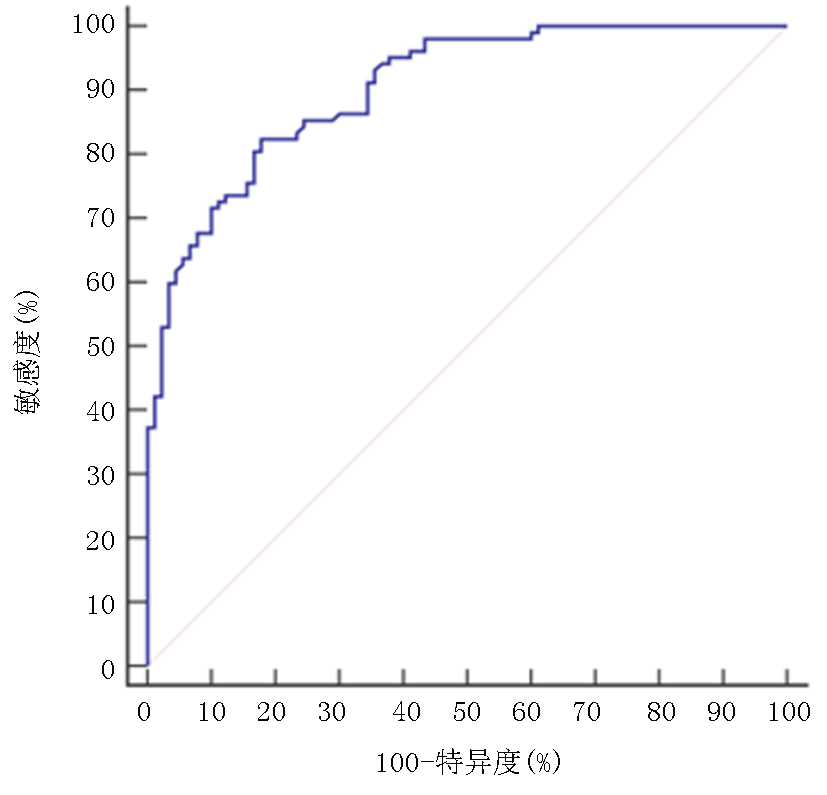
Fig.1 ROC curve of the logistic regression model for predicting PSED after AIS
| [1] | 柳文科, 许超, 张书艳. 个体化预测老年急性缺血性脑卒中后发生抑郁的风险列线图模型的建立[J]. 中风与神经疾病杂志, 2022, 39(1):59-63. doi: 10.19845/j.cnki.zfysjjbzz.2022.0013. |
| [2] | 柯绪芬, 张晗. 脑梗死患者卒中后抑郁风险预测列线图模型的建立与验证[J]. 实用心脑肺血管病杂志, 2021, 29(8):34-40. doi:10.12114/j.issn.1008-5971.2021.00.180. |
| [3] |
Cui YH, Hu ZL, Wang LF, et al. DL-3-n-butylphthalide ameliorates post-stroke emotional disorders by suppressing neuroinflammation and PANoptosis[J]. Neurochem Res, 2024, 49(8):2215-2227.doi:10.1007/s11064-024-04171-3.
pmid: 38834844 |
| [4] |
Singh P, Srivastava A, Guin D, et al. Genetic landscape of major depressive disorder: Assessment of potential diagnostic and antidepressant response markers[J]. Int J Neuropsychopharmacol, 2023, 26(10):692-738. doi: 10.1093/ijnp/pyad001.
pmid: 36655406 |
| [5] | 中华医学会神经病学分会, 中华医学会神经病学分会脑血管病学组. 中国急性缺血性脑卒中诊治指南2018[J]. 中华神经科杂志, 2018, 51(9):666-682. doi:10.3760/cma.j.issn.1006-7876.2018.09.004. |
| [6] | Chang XY, He Y, Liu Y, et al. Serum brain derived neurotrophic factor levels and post-stroke depression in ischemic stroke patients[J]. J Affect Disord, 2024, 361(15):341-347.doi:10.1016/j.jad.2024.06.050. |
| [7] | 陈书丽, 王金莹, 崔林阳, 等. RBD患者的睡眠结构及其与情绪状态、自主神经功能症状、睡眠质量的相关性[J]. 中华神经医学杂志, 2018, 17(1):88-94. doi:10.3760/cma.j.issn.1671-8925.2018.01.017. |
| [8] | 闫美霞, 周静, 张娜, 等. 急性缺血性脑卒中患者继发卒中后情感障碍的影响因素[J]. 新疆医科大学学报, 2025, 48(12):1643-1647. doi:10.3969/j.issn.1009-5551.2025.12.008. |
| [9] | Ma F, Li L, Xu L, et al. The relationship between systemic inflammation index, systemic immune-inflammatory index, and inflammatory prognostic index and 90-day outcomes in acute ischemic stroke patients treated with intravenous thrombolysis[J]. J Neuroinflammation, 2023, 20(1):220-230. doi:10.1186/s12974-023-02890-y. |
| [10] | 周云夏, 林洁. 围绝经期脑卒中患者抑郁的影响因素分析及预测模型构建与验证[J]. 中国妇幼保健, 2025, 40(4):599-602.doi:10.19829/j.zgfybj.issn.1001-4411.2025.18.002. |
| [11] | 樊建妮, 赵秀荣. 脑卒中后睡眠障碍患者抑郁状态调查及其影响因素分析[J]. 山西医药杂志, 2022, 51(4):394-397. doi:10.3969/j.issn.0253-9926.2022.04.008. |
| [12] | 焦传安, 张自学, 吴本波, 等. 睡眠障碍与脑卒中患者抑郁的相关性研究[J]. 中国现代医学杂志, 2019, 29(10):86-90. doi:10.3969/j.issn.1005-8982.2019.10.017. |
| [13] | 王莉, 吴松起, 施雁, 等. 居家老年痴呆患者家庭照顾者焦虑抑郁与社会支持状况的相关性分析[J]. 中华现代护理杂志, 2022, 28(17):2289-2295. doi:10.3760/cma.j.cn115682-20210929-04445. |
| [14] | 韩琴, 韩秀丽, 陈伟然. 老年脑卒中患者康复治疗后抑郁障碍的影响因素分析[J]. 天津医药, 2024, 52(6):639-642. doi:10.11958/20231953. |
| [15] | 尚晓峰, 张莹, 李虹, 等. 老年急性缺血性脑卒中患者衰弱与卒中后抑郁的相关性研究[J]. 中国全科医学, 2020, 23(30):3834-3838. doi:10.12114/j.issn.1007-9572.2020.00.462. |
| [16] | 张立霞, 郝宁, 李贵阳. H型高血压合并急性缺血性脑卒中患者同型半胱氨酸水平变化及预后影响因素分析[J]. 中国医刊, 2020, 55(9):984-987.doi:10.3969/j.issn.1008-1070.2020.09.018. |
| [17] | 王珊, 吴黎黎, 章宝芝, 等. 血清PRDX1、FGF4、Hepc25水平与急性缺血性脑卒中患者病情及预后的关系研究[J]. 现代生物医学进展, 2021, 21(19):3733-3737. doi:10.13241/j.cnki.pmb.2021.19.027. |
| [18] | 陶培洪, 孟涛, 杨柳, 等. 急性缺血性脑卒中患者血清Sestrin2、神经胶质原纤维酸性蛋白和泛素羧基末端水解酶-1水平变化及预后影响因素分析[J]. 新乡医学院学报, 2021, 38(12):1175-1179. doi:10.7683/xxyxyxb.2021.12.014. |
| Viewed | ||||||
|
Full text |
|
|||||
|
Abstract |
|
|||||