Clinical Focus ›› 2026, Vol. 41 ›› Issue (4): 312-317.doi: 10.3969/j.issn.1004-583X.2026.04.004
Previous Articles Next Articles
Incidence and risk factors of malnutrition-inflammation complex syndrome in patients receiving maintenance hemodialysis at the end stage of renal disease
Jiang Shaoli1( ), Yan Guosheng2, Li Lili3
- 1. Department of Nephrology (Blood Purification Room),Huanghe ST College Affiliated Hospital, Zhengzhou 450000,China
2. Blood Purification Center,Henan Provincial People's Hospital, Zhengzhou 450000,China
3. Blood Purification Room,the Sixth People's Hospital of Zhengzhou, Zhengzhou 450000,China
-
Received:2026-03-05Online:2026-04-20Published:2026-04-24 -
Contact:Jiang Shaoli,Email: jsl165042@126.com

CLC Number:
Cite this article
Jiang Shaoli, Yan Guosheng, Li Lili. Incidence and risk factors of malnutrition-inflammation complex syndrome in patients receiving maintenance hemodialysis at the end stage of renal disease[J]. Clinical Focus, 2026, 41(4): 312-317.
share this article
Add to citation manager EndNote|Ris|BibTeX
URL: https://www.lchc.cn/EN/10.3969/j.issn.1004-583X.2026.04.004
| 组别 | 例数 | 性别[例(%)] | 年龄(岁) | BMI(kg/m2) | 合并高血压 [例(%)] | 合并糖尿病 [例(%)] | ||||||
|---|---|---|---|---|---|---|---|---|---|---|---|---|
| 男 | 女 | |||||||||||
| MICS组 | 74 | 42(56.8) | 32(43.2) | 65.93±7.25 | 21.00±2.49 | 20(27.0) | 31(41.9) | |||||
| 非MICS组 | 34 | 19(55.9) | 15(44.1) | 61.22±5.56 | 22.05±2.88 | 8(23.5) | 7(20.6) | |||||
| χ2/ | 0.007 | 3.358 | 1.936 | 0.148 | 4.636 | |||||||
| 0.932 | 0.001 | 0.056 | 0.700 | 0.031 | ||||||||
| 组别 | 合并高血脂 [例(%)] | 原发病[例(%)] | ||||||||||
| 慢性肾小球肾炎 | 糖尿病肾病 | 高血压肾硬化 | 狼疮性肾炎 | 其他 | ||||||||
| MICS组 | 9(12.2) | 33(44.6) | 14(18.9) | 9(12.2) | 8(10.8) | 10(13.5) | ||||||
| 非MICS组 | 5(14.7) | 15(44.1) | 6(17.6) | 5(14.7) | 4(11.8) | 4(11.8) | ||||||
| χ2/ | 0.134 | 0.212 | ||||||||||
| 0.715 | 0.995 | |||||||||||
Tab.1 Comparison of general data between the two groups
| 组别 | 例数 | 性别[例(%)] | 年龄(岁) | BMI(kg/m2) | 合并高血压 [例(%)] | 合并糖尿病 [例(%)] | ||||||
|---|---|---|---|---|---|---|---|---|---|---|---|---|
| 男 | 女 | |||||||||||
| MICS组 | 74 | 42(56.8) | 32(43.2) | 65.93±7.25 | 21.00±2.49 | 20(27.0) | 31(41.9) | |||||
| 非MICS组 | 34 | 19(55.9) | 15(44.1) | 61.22±5.56 | 22.05±2.88 | 8(23.5) | 7(20.6) | |||||
| χ2/ | 0.007 | 3.358 | 1.936 | 0.148 | 4.636 | |||||||
| 0.932 | 0.001 | 0.056 | 0.700 | 0.031 | ||||||||
| 组别 | 合并高血脂 [例(%)] | 原发病[例(%)] | ||||||||||
| 慢性肾小球肾炎 | 糖尿病肾病 | 高血压肾硬化 | 狼疮性肾炎 | 其他 | ||||||||
| MICS组 | 9(12.2) | 33(44.6) | 14(18.9) | 9(12.2) | 8(10.8) | 10(13.5) | ||||||
| 非MICS组 | 5(14.7) | 15(44.1) | 6(17.6) | 5(14.7) | 4(11.8) | 4(11.8) | ||||||
| χ2/ | 0.134 | 0.212 | ||||||||||
| 0.715 | 0.995 | |||||||||||
| 组别 | 例数 | 透析频率 (次/周) | 透析龄 (年) | 透析模式[例(%)] | spKt/V[例(%)] | |||
|---|---|---|---|---|---|---|---|---|
| 高通量 | 低通量 | <1.4 | ≥1.4 | |||||
| MICS组 | 74 | 2.83±0.38 | 4.16±0.61 | 40(54.0) | 34(45.9) | 14(18.9) | 60(81.1) | |
| 非MICS组 | 34 | 2.80±0.41 | 3.02±0.52 | 17(50.0) | 17(50.0) | 7(20.6) | 27(79.4) | |
| χ2/ | 0.372 | 9.430 | 0.154 | 0.041 | ||||
| 0.711 | <0.001 | 0.695 | 0.839 | |||||
Tab.2 Comparison of dialysis-related indicators between the two groups
| 组别 | 例数 | 透析频率 (次/周) | 透析龄 (年) | 透析模式[例(%)] | spKt/V[例(%)] | |||
|---|---|---|---|---|---|---|---|---|
| 高通量 | 低通量 | <1.4 | ≥1.4 | |||||
| MICS组 | 74 | 2.83±0.38 | 4.16±0.61 | 40(54.0) | 34(45.9) | 14(18.9) | 60(81.1) | |
| 非MICS组 | 34 | 2.80±0.41 | 3.02±0.52 | 17(50.0) | 17(50.0) | 7(20.6) | 27(79.4) | |
| χ2/ | 0.372 | 9.430 | 0.154 | 0.041 | ||||
| 0.711 | <0.001 | 0.695 | 0.839 | |||||
| 组别 | 例数 | Alb (g/L) | Hb (g/L) | Scr (μmol/L) | TG (mmol/L) | TC (mmol/L) | hs-CRP (mg/L) | IL-6 (pg/ml) |
|---|---|---|---|---|---|---|---|---|
| MICS组 | 74 | 35.80±3.15 | 100.23±14.63 | 899.65±114.76 | 1.68±0.31 | 4.16±0.47 | 15.93±2.44 | 11.32±1.57 |
| 非MICS组 | 34 | 39.72±3.24 | 112.66±15.71 | 914.63±118.95 | 1.70±0.30 | 4.20±0.48 | 5.32±0.48 | 5.12±0.33 |
| χ2/ | 5.953 | 4.006 | 0.623 | 0.315 | 0.408 | 25.072 | 22.742 | |
| <0.001 | <0.001 | 0.535 | 0.754 | 0.684 | <0.001 | <0.001 |
Tab.3 Comparison of laboratory indicators between the two groups ( x -±s)
| 组别 | 例数 | Alb (g/L) | Hb (g/L) | Scr (μmol/L) | TG (mmol/L) | TC (mmol/L) | hs-CRP (mg/L) | IL-6 (pg/ml) |
|---|---|---|---|---|---|---|---|---|
| MICS组 | 74 | 35.80±3.15 | 100.23±14.63 | 899.65±114.76 | 1.68±0.31 | 4.16±0.47 | 15.93±2.44 | 11.32±1.57 |
| 非MICS组 | 34 | 39.72±3.24 | 112.66±15.71 | 914.63±118.95 | 1.70±0.30 | 4.20±0.48 | 5.32±0.48 | 5.12±0.33 |
| χ2/ | 5.953 | 4.006 | 0.623 | 0.315 | 0.408 | 25.072 | 22.742 | |
| <0.001 | <0.001 | 0.535 | 0.754 | 0.684 | <0.001 | <0.001 |
| 自变量 | 赋值 |
|---|---|
| 年龄 | ≥65岁=1,<65岁=0 |
| 合并糖尿病 | 是=1,否=0 |
| 透析龄 | ≥3年=1,<3年=0 |
| Alb | <35 g/L=1,≥35=0 |
| Hb | <100 g/L=1,≥100g/L=0 |
| hs-CRP | ≥10 mg/L=1,<10 mg/L=0 |
| IL-6 | ≥10 pg/ml=1,<10 pg/ml=0 |
Tab.4 Variable assignment table
| 自变量 | 赋值 |
|---|---|
| 年龄 | ≥65岁=1,<65岁=0 |
| 合并糖尿病 | 是=1,否=0 |
| 透析龄 | ≥3年=1,<3年=0 |
| Alb | <35 g/L=1,≥35=0 |
| Hb | <100 g/L=1,≥100g/L=0 |
| hs-CRP | ≥10 mg/L=1,<10 mg/L=0 |
| IL-6 | ≥10 pg/ml=1,<10 pg/ml=0 |
| 指标 | 回归系数 | 标准误 | Wald χ2值 | 95% | |||
|---|---|---|---|---|---|---|---|
| 下限 | 上限 | ||||||
| 年龄 | 1.579 | 0.651 | 5.883 | 0.016 | 4.850 | 1.354 | 17.374 |
| 合并糖尿病 | 0.825 | 0.647 | 1.626 | 0.203 | 2.282 | 0.642 | 8.110 |
| 透析龄 | 0.943 | 0.332 | 8.068 | 0.005 | 2.568 | 1.339 | 4.922 |
| Alb | 0.627 | 0.223 | 7.905 | 0.005 | 1.872 | 1.209 | 2.898 |
| Hb | 0.897 | 0.610 | 2.162 | 0.142 | 2.452 | 0.742 | 8.106 |
| hs-CRP | 1.225 | 0.471 | 6.764 | 0.010 | 3.404 | 1.352 | 8.569 |
| IL-6 | 0.780 | 0.658 | 1.405 | 0.237 | 2.181 | 0.601 | 7.922 |
Tab.5 Multivariate logistic regression analysis of MICS in end-stage MHD
| 指标 | 回归系数 | 标准误 | Wald χ2值 | 95% | |||
|---|---|---|---|---|---|---|---|
| 下限 | 上限 | ||||||
| 年龄 | 1.579 | 0.651 | 5.883 | 0.016 | 4.850 | 1.354 | 17.374 |
| 合并糖尿病 | 0.825 | 0.647 | 1.626 | 0.203 | 2.282 | 0.642 | 8.110 |
| 透析龄 | 0.943 | 0.332 | 8.068 | 0.005 | 2.568 | 1.339 | 4.922 |
| Alb | 0.627 | 0.223 | 7.905 | 0.005 | 1.872 | 1.209 | 2.898 |
| Hb | 0.897 | 0.610 | 2.162 | 0.142 | 2.452 | 0.742 | 8.106 |
| hs-CRP | 1.225 | 0.471 | 6.764 | 0.010 | 3.404 | 1.352 | 8.569 |
| IL-6 | 0.780 | 0.658 | 1.405 | 0.237 | 2.181 | 0.601 | 7.922 |
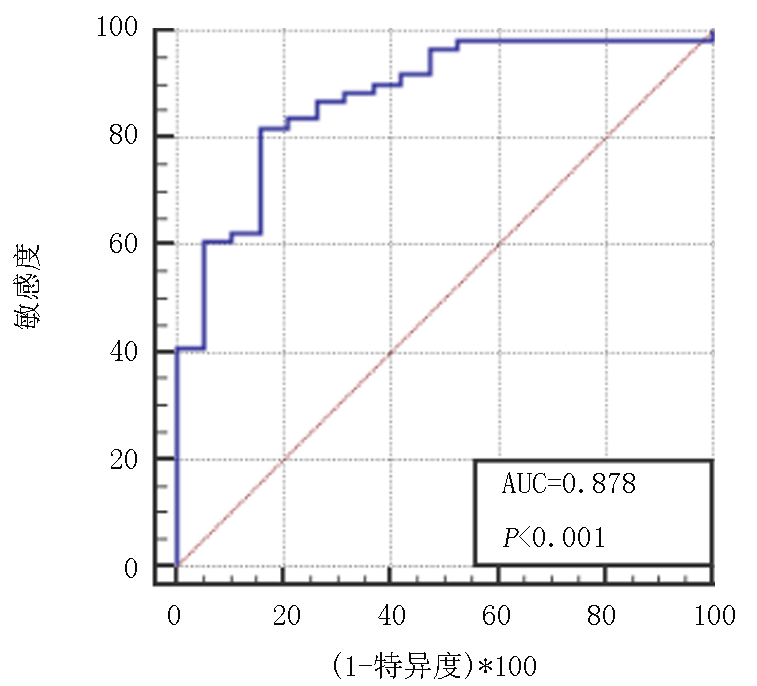
Fig.1 Prediction model for MICS in end-stage MHD
| [1] | 刘静, 刘爱翔, 王明铭, 等. 基于血管超声特征构建机器学习模型预测终末期肾病患者自体动静脉内瘘成熟不良[J]. 中国超声医学杂志, 2025, 41(11):1269-1273.doi:10.3969/j.issn.1002-0101. |
| [2] | 王洁, 郑燕, 张阳, 等. 正念干预对维持性血液透析患者负性情绪, 治疗依从性及生活质量影响的Meta分析[J]. 护理实践与研究, 2023, 20(22):3406-3413.doi:10.3969/j.issn.1672-9676. |
| [3] |
Zhao N, Xu W, Ruan Y. Letter to editor on ‘habitual dietary patterns of maintenance haemodialysis patients and the relationship between malnutrition risk-a multicentre cross-sectional diet survey’[J]. J Clin Nurs, 2024, 34(9):3948-3949.doi:10.1111/jocn.17594.
pmid: 39654005 |
| [4] | 乔雨萌, 徐潇, 董捷. 腹膜透析相关性腹膜炎痊愈后营养不良-炎症-动脉粥样硬化综合征对患者临床不良预后的影响[J]. 中国血液净化, 2023, 22(5):349-354.doi:10.3969/j.issn.1671-4091. |
| [5] | 高晶, 赵锦, 王凡, 等. 不同频率血液透析滤过联合高通量血液透析治疗对糖尿病肾病维持性血液透析患者肾功能、微炎症状态及左心功能的影响[J]. 实用医学杂志, 2025, 41(21):3398-3404.doi:10.3969/j.issn.1006-5725. |
| [6] | 马娉娉, 王斌, 厉兆春. 益肾逐瘀解毒法治疗维持性血液透析患者营养不良-炎症-动脉粥样硬化综合征临床观察[J]. 山东中医杂志, 2024, 43(3):271-276.doi:10.16295/j.cnki.0257-358x. |
| [7] | 殷瑞康, 符伶俐, 付振明. 消化系统肿瘤恶病质患者主观全面营养评估简略表评分与营养代谢指标的相关性分析[J]. 重庆医学, 2021, 50(22):3820-3824.doi:10.3969/j.issn.1671-8348. |
| [8] | 张世希, 袁海川, 万里红. 维持性血液透析的老年慢性肾脏病患者营养状况影响因素分析[J]. 中国医药导报, 2023, 20(6):86-89.doi:10.20047/j.issn1673-7210. |
| [9] | 吕文璐, 刘婷, 朱小静, 等. 维持性血液透析患者发生营养不良-炎症-动脉粥样硬化综合征的影响因素及与预后的关系[J]. 河北医学, 2025, 31(9):1579-1584.doi:10.3969/j.issn.1006-6233. |
| [10] | Valencia CV, Rodríguez MO, Sandoval VEM, et al. Prevalence of malnutrition-inflammation complex syndrome and its correlation with thyroid hormones in chronic haemodialysis patients[J]. Nefrologia (Engl Ed), 2018, 38(1):57-63.doi:10.1016/j.nefro. |
| [11] | 段绍霞, 蔡宏, 张伟明, 等. 维持性血液透析患者营养不良-炎症复合体综合征与预后的关系研究[J]. 上海交通大学学报(医学版), 2015, 35(12):1851-1857.doi:10.3969/j.issn.1674-8115. |
| [12] | 李丹, 宋海宁, 秦小莉, 等. 左卡尼汀联合复方α-酮酸治疗对终末期肾病MHD患者营养状态和血清炎症因子水平的影响[J]. 西部医学, 2025, 37(4):570-573.doi:10.3969/j.issn.1672-3511. |
| [13] | 韩苗苗, 田明杰, 赵海红, 等. 递增式抗阻运动联合营养治疗应用于接受维持性血液透析治疗的终末期肾脏病患者效果分析[J]. 临床和实验医学杂志, 2024, 23(3):265-270. doi:10.3969/j.issn.1671-4695. |
| [14] | 乔德丽, 山岚, 吴红耀, 等. 营养不良-炎症状态对老年血液透析病人生存质量影响[J]. 蚌埠医学院学报, 2022, 47(2):184-187.doi:10.13898/j.cnki.issn.1000-2200. |
| [15] | 敖广宇, 周树录, 吴蓉, 等. 不同透析龄维持性血液透析患者人体成分及营养状况分析[J]. 广西医学, 2020, 42(11):1450-1452.doi:10.11675/j.issn.0253-4304. |
| [16] | 杨剑, 李金涛, 周美兰. 血尿酸联合改良格拉斯哥预后评分对维持性腹膜透析患者长期透析的预测价值[J]. 川北医学院学报, 2023, 38(12):1620-1623.doi:10.3969/j.issn.1005-3697. |
| [17] | 邢立朝, 李关静, 赵灿. Triangle分层管理对维持性血液透析患者心血管钙化和长期心血管事件的影响[J]. 河北医药, 2025, 47(8):1328-1331.doi:10.3969/j.issn.1002-7386. |
| [18] | 郭艳璟, 买轩, 张岩. 基于格林模式的健康教育联合个体化系统营养管理在食管癌放疗患者中的应用[J]. 中华现代护理杂志, 2023, 29(11):1497-1501.doi:10.3760/cma.j.cn115682-20220525-02514. |
| [19] | 周达, 叶芸宇, 郭宗琳. 血清PCT/ALB对老年维持性血液透析患者细菌感染的诊断价值[J]. 热带医学杂志, 2024, 24(7):981-984.doi:10.3969/j.issn.1672-3619. |
| [20] | 骆宁, 王生, 李明. 血清Hcy, hs-CRP表达与慢性肾衰竭透析患者发生心律失常的相关性[J]. 河北医药, 2024, 46(16):2509-2511.doi:10.3969/j.issn.1002-7386. |
| [21] | 谢嘉平, 张波, 尧鹏, 等. 维持性血液透析患者血清心肌肌钙蛋白T, hs-CRP表达与心血管并发症的关系研究[J]. 标记免疫分析与临床, 2023, 30(6):942-947.doi:10.11748/bjmy.issn.1006-1703. |
| [22] | 刘江, 丁文飞, 文莉. 罗沙司他或重组人促红素联合静脉用铁剂治疗维持性血液透析合并肾性贫血的疗效与安全性比较[J]. 中国药房, 2025, 36(19):2422-2427.doi:10.6039/j.issn.1001-0408. |
| [23] | 刘言, 聂蕙斌, 张洁怡. 营养不良-炎症评分对MHD患者肌少症的诊断价值[J]. 西部医学, 2025, 37(6):887-892.doi:10.3969/j.issn.1672-3511. |
| [24] | 张健, 杨颖嘉, 王丰平, 等. 超纯透析液联合高通量透析治疗对终末期肾病MHD患者氧化应激、微炎症状态和钙磷代谢的影响[J]. 河北医科大学学报, 2024, 45(12):1399-1403.doi:10.3969/j.issn.1007-3205. |
| Viewed | ||||||
|
Full text |
|
|||||
|
Abstract |
|
|||||