Clinical Focus ›› 2026, Vol. 41 ›› Issue (1): 5-11.doi: 10.3969/j.issn.1004-583X.2026.01.001
• Original article • Next Articles
Meta-analysis of the intervention effect of cognitive behavioral therapy on depressive symptoms in patients with type 2 diabetes mellitus
Xiang Yuxin1, Zhong Yuhao2( )
)
1. Department of Public Administration ,Beijing City University Beijing 100094, China 2. School of Software ,Chongqing Institute of Engineering Chongqing 400056, China
-
Received:2025-07-01Online:2026-01-20Published:2026-02-02 -
Contact:Zhong Yuhao E-mail:zyh13635444863@163.com

CLC Number:
Cite this article
Xiang Yuxin, Zhong Yuhao. Meta-analysis of the intervention effect of cognitive behavioral therapy on depressive symptoms in patients with type 2 diabetes mellitus[J]. Clinical Focus, 2026, 41(1): 5-11.
share this article
Add to citation manager EndNote|Ris|BibTeX
URL: https://www.lchc.cn/EN/10.3969/j.issn.1004-583X.2026.01.001
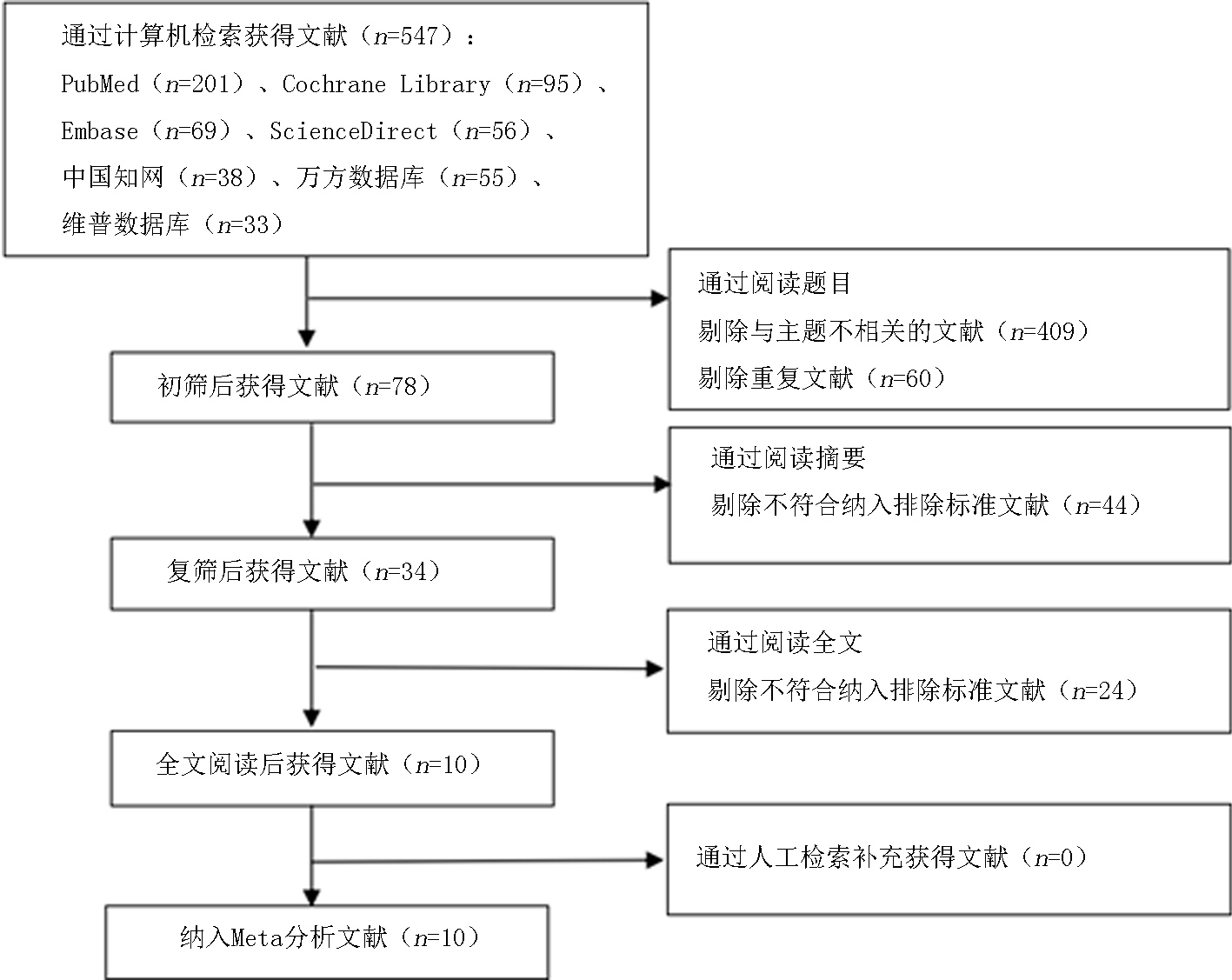
Fig.1 Process of literature screening
| 纳入文献 | 年份 | 国家 | 样本量 | 年龄(岁) | 干预方法 | 对照措施 | 测量工具 | |||
|---|---|---|---|---|---|---|---|---|---|---|
| 试验组 | 对照组 | 试验组 | 对照组 | |||||||
| Abbas等[ | 2023 | 巴基斯坦 | 45 | 45 | 36.93±6.87 | 37.62±6.77 | CBT | 常规护理 | PHQ-9 | |
| Groeneveld等[ | 2024 | 荷兰 | 29 | 28 | 67.70±8.40 | 71.80±7.30 | CBT | 常规护理 | PHQ-9 | |
| Inouye等[ | 2015 | 美国 | 104 | 103 | 57.00±11.10 | 57.8±10.80 | CBT | 常规护理 | CES-D | |
| Mansour等[ | 2022 | 埃及 | 50 | 50 | 35~80 | CBT | 常规护理 | BDI | ||
| Onyechi等[ | 2016 | 尼日利亚 | 40 | 40 | 52.79±21.89 | CBT | 常规护理 | BDI-II | ||
| 邓兰兰等[ | 2024 | 中国 | 41 | 42 | 65.20±3.52 | 65.05±2.99 | CBT | 常规护理 | PHQ-9 | |
| 管晓波等[ | 2015 | 中国 | 48 | 45 | 54.40±8.30 | 53.60±7.80 | CBT | 常规护理 | HAMD | |
| 田源等[ | 2019 | 中国 | 40 | 40 | 71.45±3.73 | 71.39±3.61 | CBT | 常规护理 | HAMD | |
| 易姝薇等[ | 2018 | 中国 | 42 | 43 | 57.48±11.93 | 56.01±14.54 | CBT | 常规护理 | SDS | |
| 杨琴[ | 2016 | 中国 | 62 | 63 | 52.63±10.43 | 53.86±9.27 | CBT | 常规护理 | SDS | |
Tab.1 Basic characteristics of included literatures
| 纳入文献 | 年份 | 国家 | 样本量 | 年龄(岁) | 干预方法 | 对照措施 | 测量工具 | |||
|---|---|---|---|---|---|---|---|---|---|---|
| 试验组 | 对照组 | 试验组 | 对照组 | |||||||
| Abbas等[ | 2023 | 巴基斯坦 | 45 | 45 | 36.93±6.87 | 37.62±6.77 | CBT | 常规护理 | PHQ-9 | |
| Groeneveld等[ | 2024 | 荷兰 | 29 | 28 | 67.70±8.40 | 71.80±7.30 | CBT | 常规护理 | PHQ-9 | |
| Inouye等[ | 2015 | 美国 | 104 | 103 | 57.00±11.10 | 57.8±10.80 | CBT | 常规护理 | CES-D | |
| Mansour等[ | 2022 | 埃及 | 50 | 50 | 35~80 | CBT | 常规护理 | BDI | ||
| Onyechi等[ | 2016 | 尼日利亚 | 40 | 40 | 52.79±21.89 | CBT | 常规护理 | BDI-II | ||
| 邓兰兰等[ | 2024 | 中国 | 41 | 42 | 65.20±3.52 | 65.05±2.99 | CBT | 常规护理 | PHQ-9 | |
| 管晓波等[ | 2015 | 中国 | 48 | 45 | 54.40±8.30 | 53.60±7.80 | CBT | 常规护理 | HAMD | |
| 田源等[ | 2019 | 中国 | 40 | 40 | 71.45±3.73 | 71.39±3.61 | CBT | 常规护理 | HAMD | |
| 易姝薇等[ | 2018 | 中国 | 42 | 43 | 57.48±11.93 | 56.01±14.54 | CBT | 常规护理 | SDS | |
| 杨琴[ | 2016 | 中国 | 62 | 63 | 52.63±10.43 | 53.86±9.27 | CBT | 常规护理 | SDS | |
| 纳入文献 | 年份 | 随机 方法 | 分配 隐藏 | 受试者和研究 人员盲法 | 结果评估 盲法 | 数据 完整性 | 选择性 报告 | 其他 偏倚 | 质量 等级 |
|---|---|---|---|---|---|---|---|---|---|
| Abbas等[ | 2023 | 不清楚 | 不清楚 | 不清楚 | 不清楚 | 低风险 | 低风险 | 低风险 | B |
| Groeneveld等[ | 2024 | 低风险 | 不清楚 | 高风险 | 不清楚 | 低风险 | 低风险 | 低风险 | B |
| Inouye等[ | 2015 | 不清楚 | 低风险 | 低风险 | 低风险 | 低风险 | 低风险 | 低风险 | B |
| Mansour等[ | 2022 | 低风险 | 低风险 | 低风险 | 不清楚 | 低风险 | 低风险 | 低风险 | B |
| Onyechi等[ | 2016 | 不清楚 | 不清楚 | 低风险 | 不清楚 | 低风险 | 低风险 | 低风险 | B |
| 邓兰兰等[ | 2024 | 低风险 | 低风险 | 不清楚 | 不清楚 | 低风险 | 低风险 | 低风险 | B |
| 管晓波等[ | 2015 | 低风险 | 不清楚 | 不清楚 | 不清楚 | 低风险 | 低风险 | 低风险 | B |
| 田源等[ | 2019 | 低风险 | 不清楚 | 不清楚 | 不清楚 | 低风险 | 低风险 | 低风险 | B |
| 易姝薇等[ | 2018 | 不清楚 | 不清楚 | 不清楚 | 不清楚 | 低风险 | 低风险 | 低风险 | B |
| 杨琴[ | 2016 | 高风险 | 不清楚 | 不清楚 | 不清楚 | 低风险 | 低风险 | 低风险 | B |
Tab.2 Assessment results of literature quality
| 纳入文献 | 年份 | 随机 方法 | 分配 隐藏 | 受试者和研究 人员盲法 | 结果评估 盲法 | 数据 完整性 | 选择性 报告 | 其他 偏倚 | 质量 等级 |
|---|---|---|---|---|---|---|---|---|---|
| Abbas等[ | 2023 | 不清楚 | 不清楚 | 不清楚 | 不清楚 | 低风险 | 低风险 | 低风险 | B |
| Groeneveld等[ | 2024 | 低风险 | 不清楚 | 高风险 | 不清楚 | 低风险 | 低风险 | 低风险 | B |
| Inouye等[ | 2015 | 不清楚 | 低风险 | 低风险 | 低风险 | 低风险 | 低风险 | 低风险 | B |
| Mansour等[ | 2022 | 低风险 | 低风险 | 低风险 | 不清楚 | 低风险 | 低风险 | 低风险 | B |
| Onyechi等[ | 2016 | 不清楚 | 不清楚 | 低风险 | 不清楚 | 低风险 | 低风险 | 低风险 | B |
| 邓兰兰等[ | 2024 | 低风险 | 低风险 | 不清楚 | 不清楚 | 低风险 | 低风险 | 低风险 | B |
| 管晓波等[ | 2015 | 低风险 | 不清楚 | 不清楚 | 不清楚 | 低风险 | 低风险 | 低风险 | B |
| 田源等[ | 2019 | 低风险 | 不清楚 | 不清楚 | 不清楚 | 低风险 | 低风险 | 低风险 | B |
| 易姝薇等[ | 2018 | 不清楚 | 不清楚 | 不清楚 | 不清楚 | 低风险 | 低风险 | 低风险 | B |
| 杨琴[ | 2016 | 高风险 | 不清楚 | 不清楚 | 不清楚 | 低风险 | 低风险 | 低风险 | B |
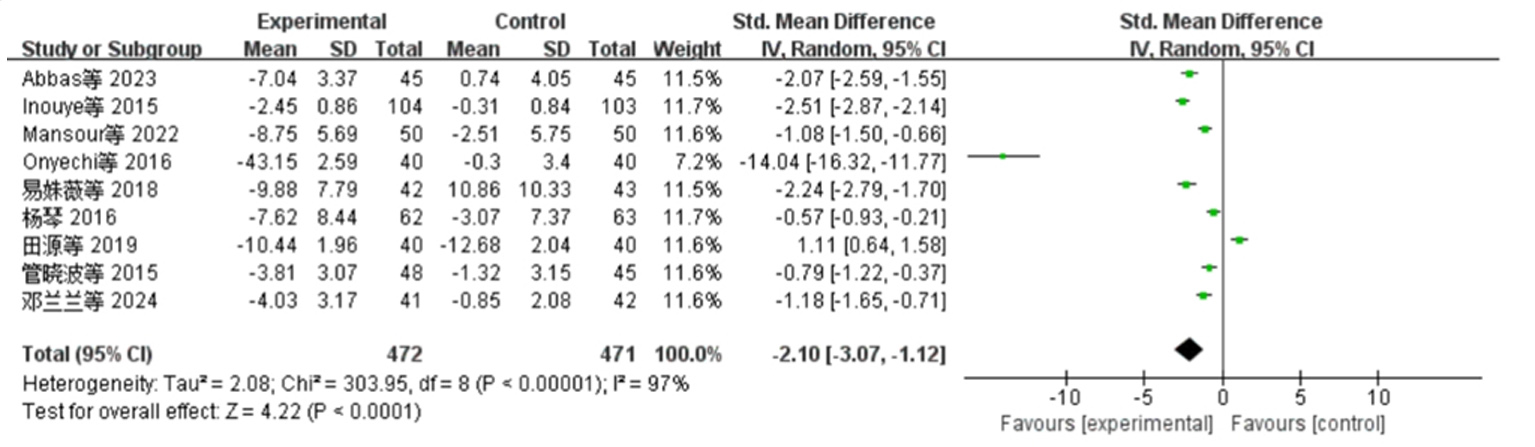
Fig.2 Post-intervention effects of CBT intervention on depressive symptoms among T2DM patients
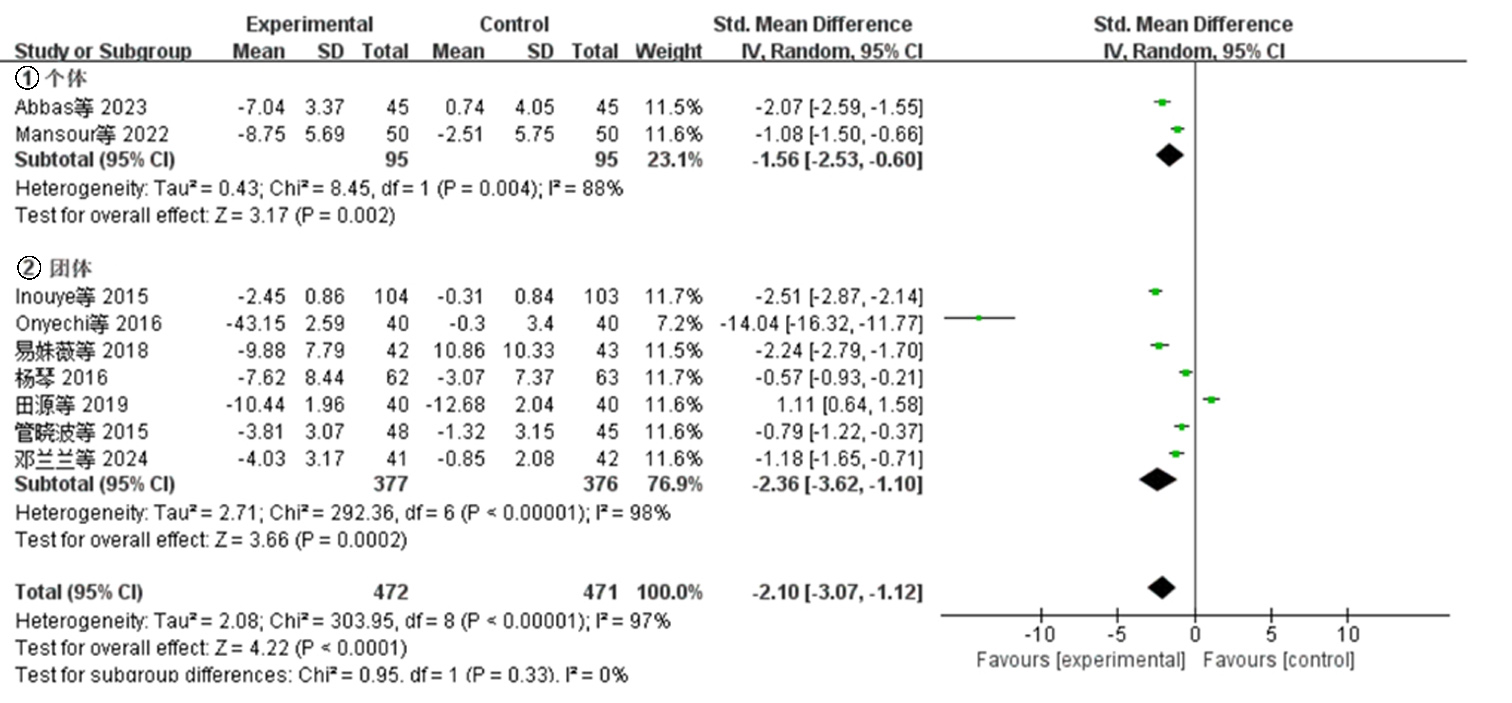
Fig.3 Subgroup analysis of intervention formats
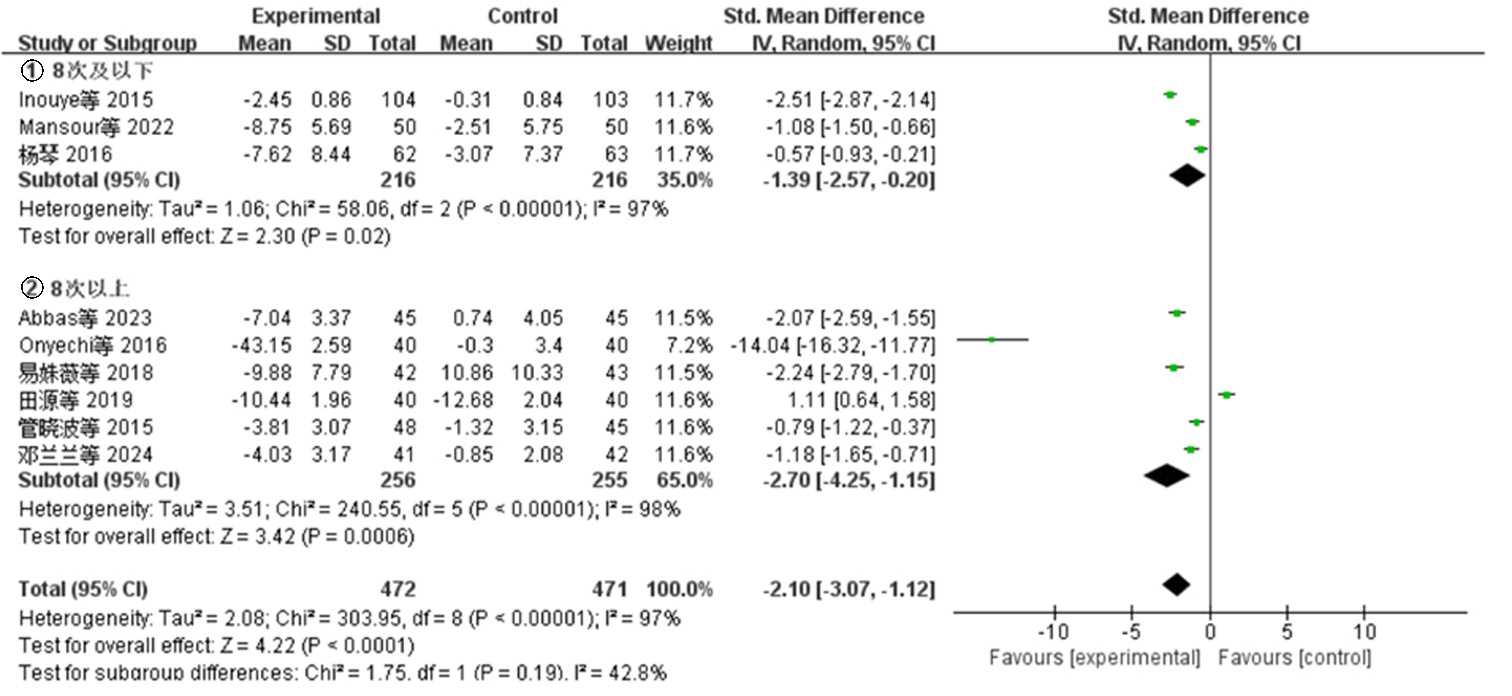
Fig.4 Subgroup analysis of intervention times
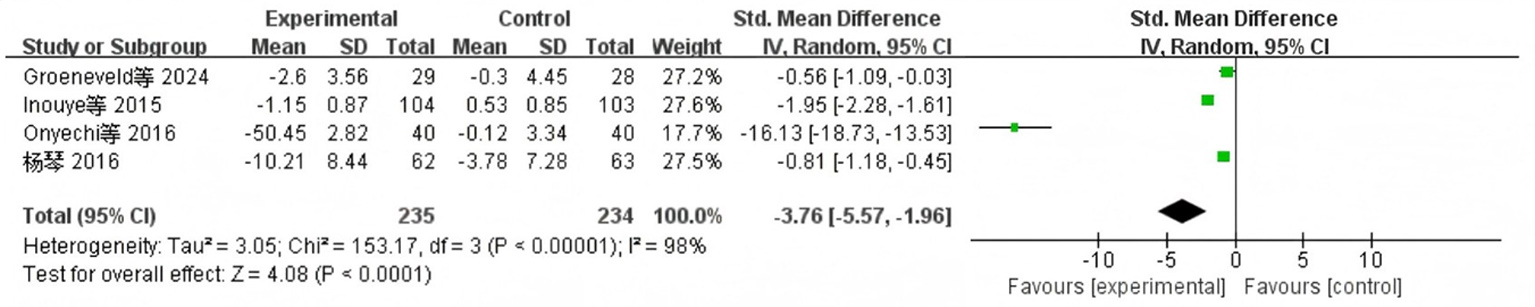
Fig.5 Follow-up effect of CBT on depressive symptoms among T2DM patients
| [1] | Zhou YC, Liu JM, Zhao ZP, et al. The national and provincial prevalence and non-fatal burdens of diabetes in China from 2005 to 2023 with projections of prevalence to 2050[J]. Mil Med Res, 2025, 12(1): 28. doi: 10.1186/s40779-025-00615-1. |
| [2] | 高敏, 陈雪莹, 孙信, 等. 2型糖尿病患者的抑郁症状与人格特质和运动行为的关系[J]. 中国心理卫生杂志, 2021, 35(4):271-276.doi:10.3969/j.issn.1000-6729.2021.04.002. |
| [3] | 中华医学会糖尿病学分会. 中国2型糖尿病防治指南(2020年版)[J]. 中华内分泌代谢杂志, 2021, 37(4):311-398.doi:10.3760/cma.j.cn115791-20210221-00095. |
| [4] | Tomic D, Shaw JE, Magliano DJ. The burden and risks of emerging complications of diabetes mellitus[J]. Nat Rev Endocrinol, 2022, 18(9): 525-539. doi: 10.1038/s41574-022-00690-7. |
| [5] | Forbes JM, Cooper ME. Mechanisms of diabetic complications[J]. Physiol Rev, 2013, 93(1): 137-188. doi: 10.1152/physrev.00045.2011. |
| [6] | 冯大洋, 曾臻, 廖芳芳, 等. 2型糖尿病住院患者焦虑、抑郁状况影响因素分析[J]. 中国卫生统计, 2010, 27(2):129-132.doi:10.3969/j.issn.1002-3674.2010.02.006. |
| [7] | 张文汉, 胡素君, 刘一心, 等. 深圳市社区老年2型糖尿病患者生存质量和心理及社会支持调查研究[J]. 中国全科医学, 2009, 12(2):166-168.doi:10.3969/j.issn.1007-9572.2009.02.037. |
| [8] | Owens-Gary MD, Zhang X, Jawanda S, et al. The importance of addressing depression and diabetes distress in adults with type 2 diabetes[J]. J Gen Intern Med, 2019, 34(2): 320-324. doi: 10.1007/s11606-018-4705-2. |
| [9] | 王忠, 师乐, 陆林. 现代医学模式:困境、挑战和机会[J]. 中国医学伦理学, 2019, 32(7):837-839.doi:10.12026/j.issn.1001-8565.2019.07.06. |
| [10] | 吴颖, 段宏为, 陈璇. 认知行为疗法对改善糖尿病患者抑郁及血糖的Meta分析[J]. 护理学杂志, 2018, 33(3):23-27.doi:10.3870/j.issn.1001-4152.2018.03.023. |
| [11] | 朱楠楠, 刘志婷, 宋利群. 认知行为疗法对糖尿病抑郁患者效果的Meta分析[J]. 齐鲁护理杂志, 2017, 23(15):65-71.doi:10.3969/j.issn.1006-7256.2017.15.027. |
| [12] | Creswell C, Hentges F, Parkinson M, et al. Feasibility of guided cognitive behaviour therapy (CBT) self‐help for childhood anxiety disorders in primary care[J]. Ment Health Fam Med, 2010, 7(1): 49-57. |
| [13] | Butler AC, Chapman JE, Forman EM, et al. The empirical status of cognitive-behavioral therapy: A review of meta-analyses[J]. Clin Psychol Rev, 2006, 26(1): 17-31. doi: 10.1016/j.cpr.2005.07.003. |
| [14] | Abbas Q, Latif S, Ayaz Habib H, et al. Cognitive behavior therapy for diabetes distress, depression, health anxiety, quality of life and treatment adherence among patients with type-II diabetes mellitus: A randomized control trial[J]. BMC Psychiatry, 2023, 23(1): 86. doi: 10.1186/s12888-023-04546-w. |
| [15] | 汪洋. Cochrane偏倚风险评估工具简介[J]. 中国全科医学, 2019, 22(11):1322. |
| [16] | Groeneveld L, Beulens JW, Blom MT, et al. The effect of cognitive behavioral therapy for insomnia on sleep and glycemic outcomes in people with type 2 diabetes: A randomized controlled trial[J]. Sleep Med, 2024, 120: 44-52. doi: 10.1016/j.sleep.2024.05.029. |
| [17] | Inouye J, Li D, Davis J, et al. Psychosocial and clinical outcomes of a cognitive behavioral therapy for asians and pacific islanders with type 2 diabetes: A randomized clinical trial[J]. Hawaii J Med Public Health, 2015, 74(11): 360-368. |
| [18] | Mansour N, Labib N, Khalil M, et al. Brief cognitive behavioral therapy for patients with comorbid depression and type 2 diabetes in an urban primary care facility: Randomized controlled trial[J]. OAMJMS, 2022, 10(E): 60-67. doi: 10.3889/oamjms.2022.7883. |
| [19] | Onyechi KCN, Eseadi C, Okere AU, et al. Effects of cognitive behavioral coaching on depressive symptoms in a sample of type 2 diabetic inpatients in Nigeria[J]. Medicine, 2016, 95(31):e4444. doi: 10.1097/MD.0000000000004444. |
| [20] | 邓兰兰, 张燕, 李春玲. 认知行为疗法对社区2型糖尿病伴轻中度焦虑抑郁患者情绪干预效果研究[J]. 中国健康教育, 2024, 40(7):647-651.doi:10.16168/j.cnki.issn.1002-9982.2024.07.012. |
| [21] | 管晓波, 陆峥, 郭珍, 等. 认知行为团体治疗对2型糖尿病患者糖代谢及焦虑抑郁情绪的影响[J]. 中华全科医师杂志, 2015, 14(3):206-211.doi:10.3760/cma.j.issn.1671-7368.2015.03.013. |
| [22] | 田源, 汤明明, 谭大勇, 等. 认知行为治疗对社区老年2型糖尿病合并抑郁症患者的疗效[J]. 健康必读, 2019(1):287-288. |
| [23] | 易姝薇, 彭娟, 庞锐. 认知行为疗法对2型糖尿病合并抑郁和焦虑的疗效[J]. 中国临床心理学杂志, 2018, 26(2):414-416+420.doi:10.16128/j.cnki.1005-3611.2018.02.044. |
| [24] | 杨琴. 团体认知行为治疗对2型糖尿病患者的影响[J]. 中国民康医学, 2016, 28(3):1-3+8.doi:10.3969/j.issn.1672-0369.2016.03.001. |
| [25] | 孙云红, 葛家璞, 陈晓英. 2型糖尿病患者抑郁情绪障碍的相关因素[J]. 中国老年学杂志, 2013, 33(7):1614-1617.doi:10.3969/j.issn.1005-9202.2013.07.056. |
| [26] | 蒙艺, 钟宇豪. 认知行为疗法在社会工作中的应用与效果-一项系统性评价[J]. 华东理工大学学报(社会科学版), 2024, 39(2):41-62. doi:10.3969/j.issn.1008-7672.2024.02.005. |
| [27] | Nieuwsma JA, Trivedi RB, McDuffie J, et al. Brief psychotherapy for depression: A systematic review and meta-analysis[J]. Int J Psychiatry Med, 2012, 43(2): 129-151. doi: 10.2190/PM.43.2.c. |
| [28] | Shapiro DA, Barkham M, Rees A, et al. Effects of treatment duration and severity of depression on the effectiveness of cognitive-behavioral and psychodynamic-interpersonal psychotherapy[J]. J Consult Clin Psychol, 1994, 62(3): 522-534. doi: 10.1037/0022-006x.62.3.522. |
| Viewed | ||||||
|
Full text |
|
|||||
|
Abstract |
|
|||||